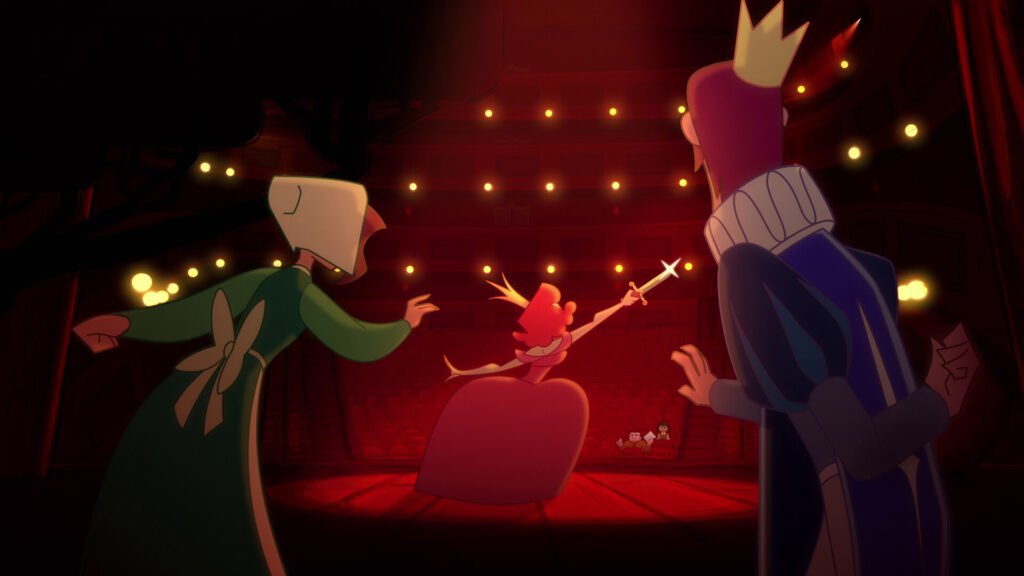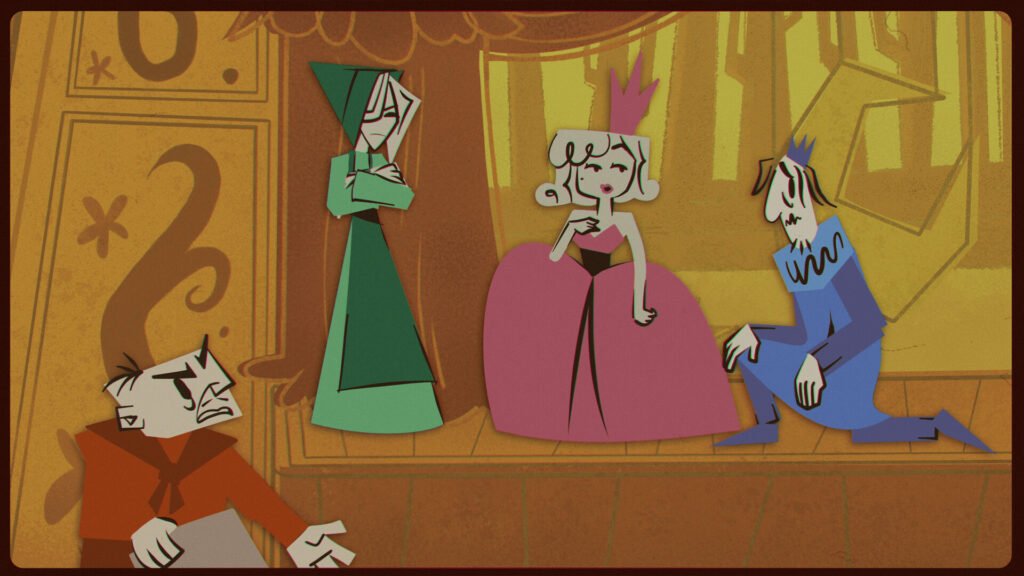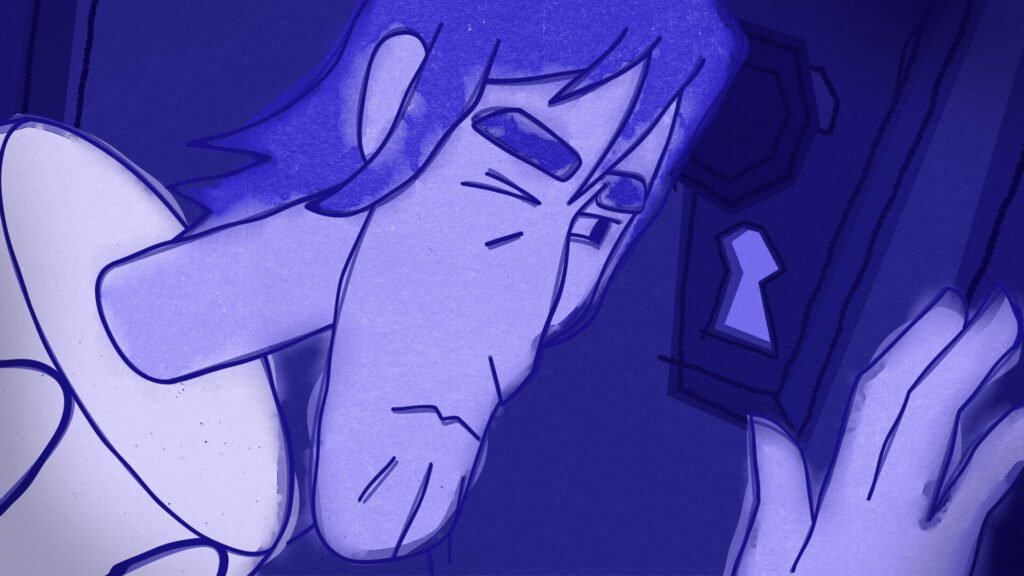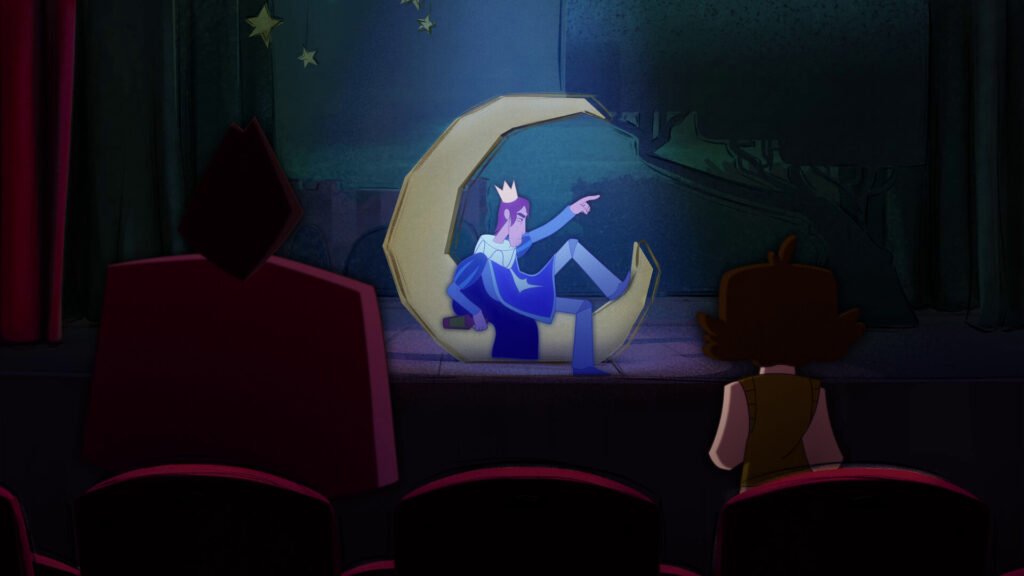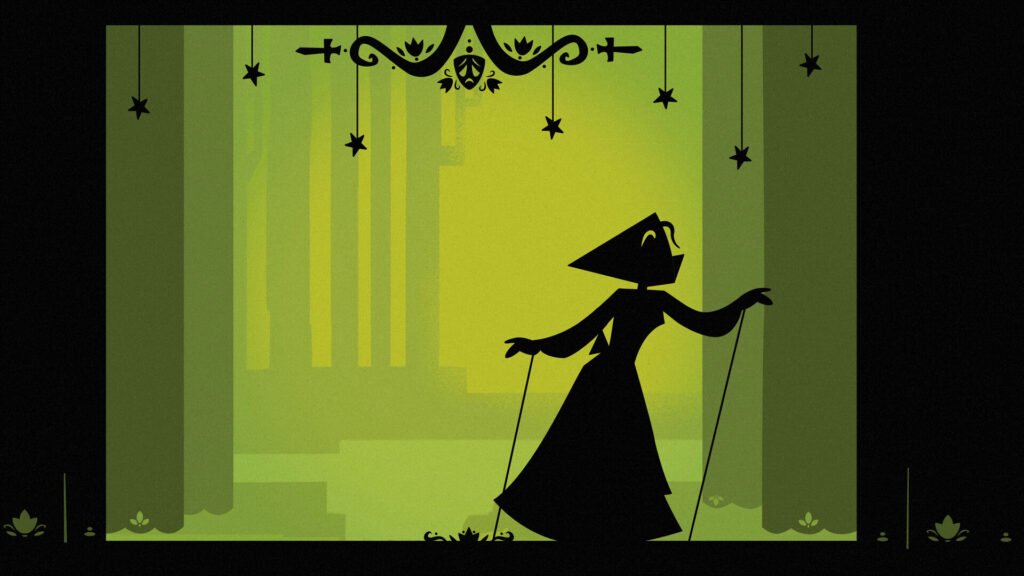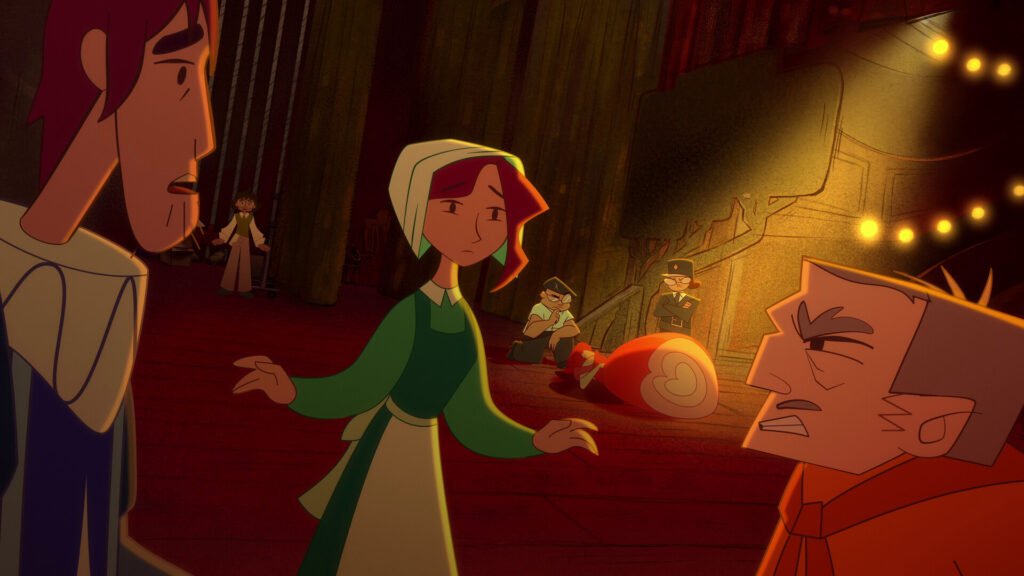
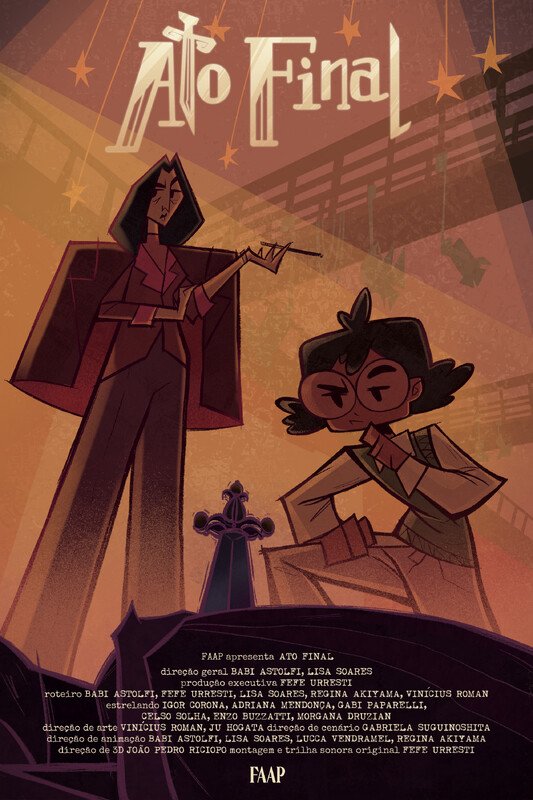

After witnessing the death of a famous actress, Mateus Santos, a journalism intern, has the unique chance to investigate the case alongside his idol, the renowned journalist Miriam Matos. Together, they interrogate three suspects in pursuit of the truth behind the killer’s motive.
In Competition
| Year of Production | 2026 |
| Language | Portuguese |
| Country of Origin | Brazil |
| Runtime | 13:00 |
| Type | Animation, Short, Student |
| Directors | Babi Astolfi Lisa Soares |
| Writers | Babi Astolfi Fefe Urresti Lisa Soares Regina Akiyama Vinícius Roman |
| Producer | Fefe Urresti |
| “Mateus Santos” | Igor Blundi Corona |
| “Miriam Matos” | Adriana Mendonça |
| “Glória Camargo” | Gabi Paparelli |
| “Geraldo” | Celso Solha |
| “Thomas” | Enzo Buzzatti |
| “Jade” | Morgana Druzian |
| Art Directors | Vinícius Roman Ju Hogata |
| Animation Directors | Babi Astolfi Lisa Soares Lucca Vendramel Regina Akiyama |
| Background Design | Gabriela Suguinoshita |
| 3D Director | João Pedro Riciopo |
| Soundtrack and Editing | Fefe Urresti |
Information provided via FilmFreeway
Directors’ Biographies
Babi Astolfi
Born in Santos, São Paulo, on May 16th, 2003, Babi Astolfi is an Italian-Brazillian director and animator, graduated with Bachelor’s in Film and Animation by Centro Universitário Armando Álvares Penteado (FAAP). Directed the short-films: Pitica and the Perfect Sandwich (2024) and Mecha Meraki (2024), awarded nacionally and internacionally. Final Act (2026) is her latest release.
Lisa Soares
Lisa Soares was born in November 30th, 2003, in the city of São Paulo. Graduated with a Bachelor’s in Film and Animation by Centro Universitário Armando Álvares Penteado (FAAP), her directorial and screenwriting debut was the awarded short film Monomania (2024). Now, she’s following it up with her Thesis Film, the animated noir “Final Act”.

Directors’ Statement
Final Act is our thesis film from FAAP’s bachelor’s degree in Film & Animation. The film’s conception was a collaborative effort between both directors, informed by our experiences during university and our perceptions of the industry we were graduating into.
Seeing it as our final opportunity to create art without the limitations of budgeting constraints or executive decisions, we sought to create something with more mature themes, that allowed us to explore a plurality of graphic styles and really push our animation skills to the limit. And with so, we saw in the mystery/noir genre the perfect vehicle for such exploration.
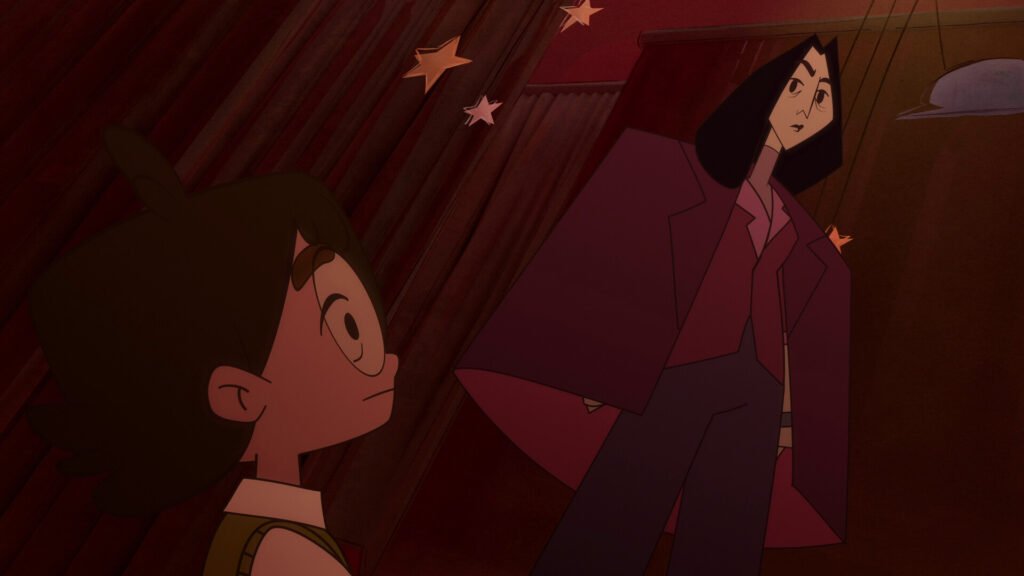
Since our first year of university, we were enrolled in a multidisciplinary program focused on animation journalism. That offered us an exclusive insight into the workings of the press, how news articles are crafted and how everything is focused towards attracting readers’ attention in an undeniably manipulative fashion. For young and dreamy artists, it was a disappointing reality we had to contend with.
Like many other art students, we decided to pursue animation with wide eyes and an unquenching desire to create art for the sake of the art itself. It did not take long for us to discover that a functional career could not be sustained in hopes and dreams alone. This is the integral realization behind Final Act’s main character, Mateus, and his relationship with his idol, Miriam. Such a relationship is equally informed by the concept of idolatry as it pertains to a professional that represents one’s career aspirations and has those projected onto them. A smaller sort of idolatry when compared to that of celebrities and religious figures, but one that figures strongly in our daily lives, nonetheless.
It all came together in a detective story set in 1970’s Brazil, a particularly turbulent time in our country, in which nothing was under the people’s control. That hopelessness and uncertainty speak volumes to our generation now, both in political terms as well as in our general perception of our futures and our place in the workforce.