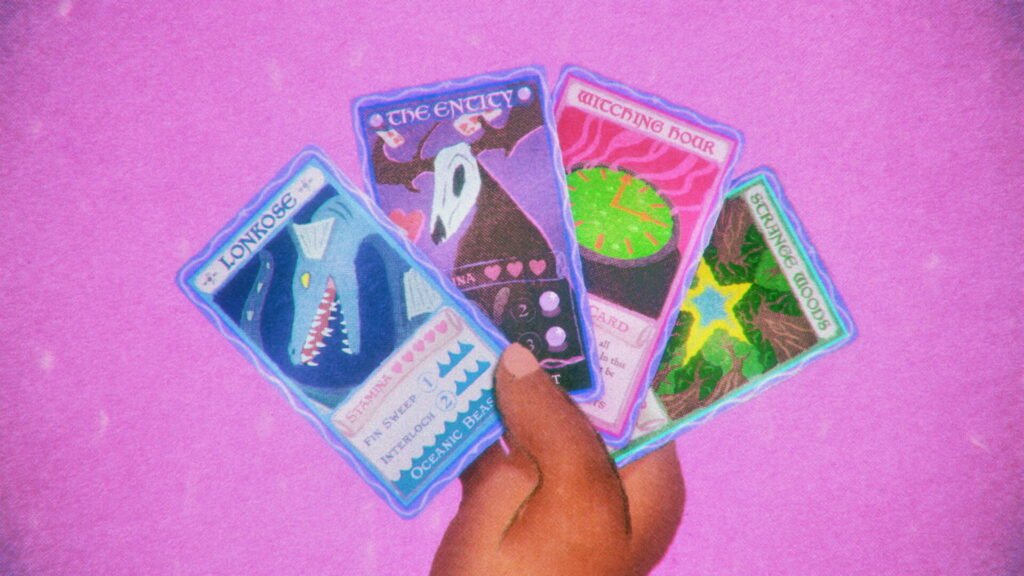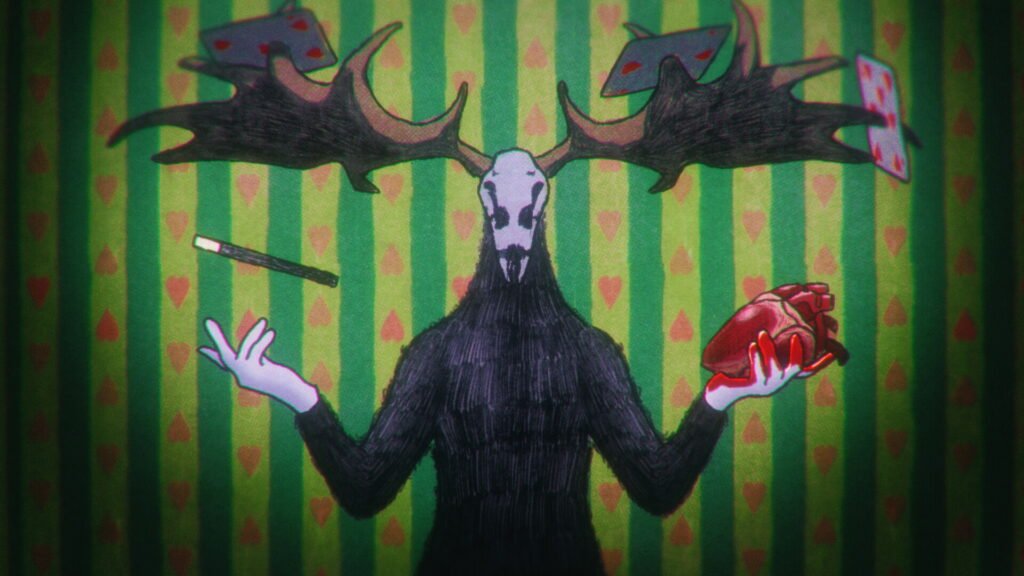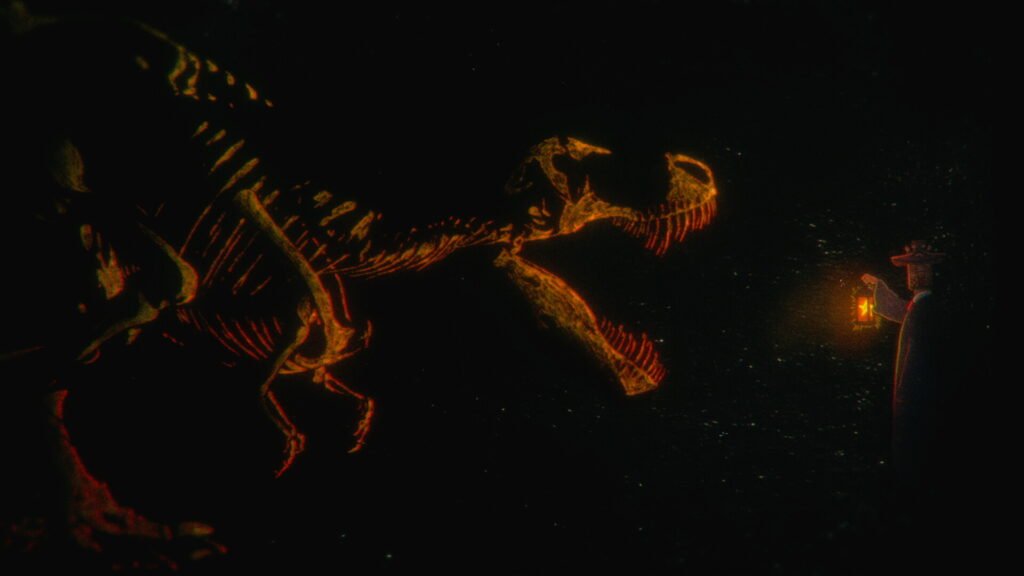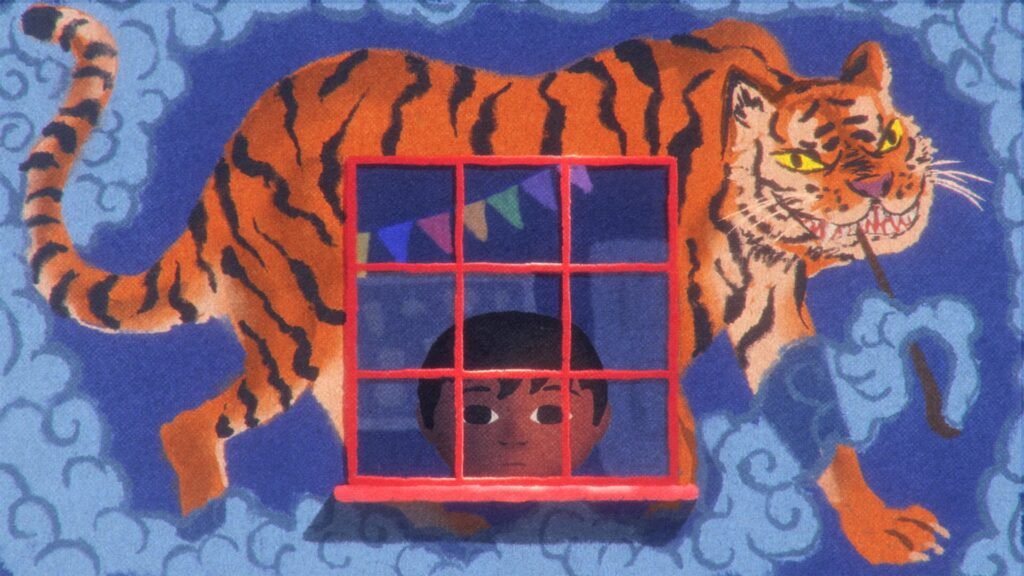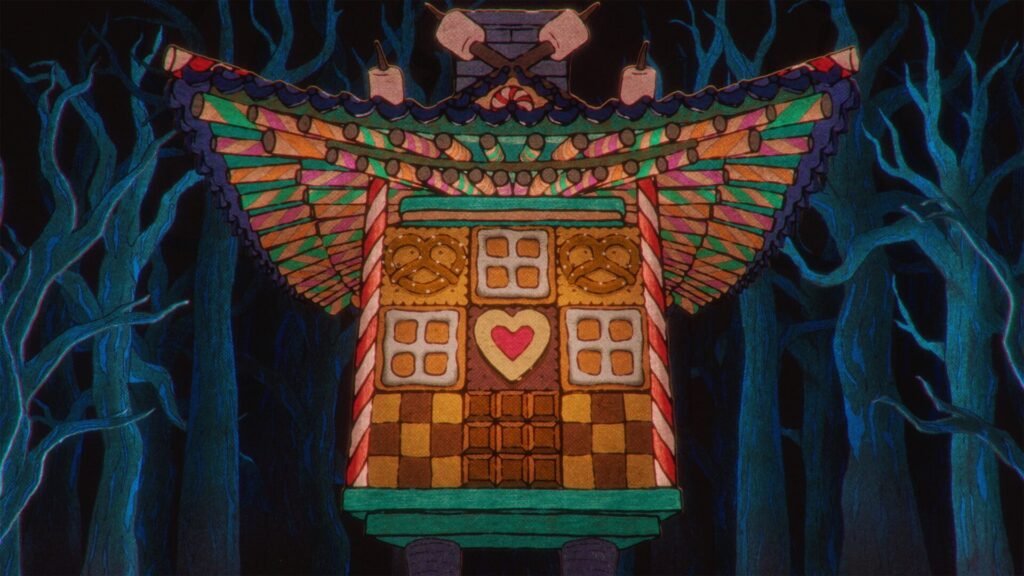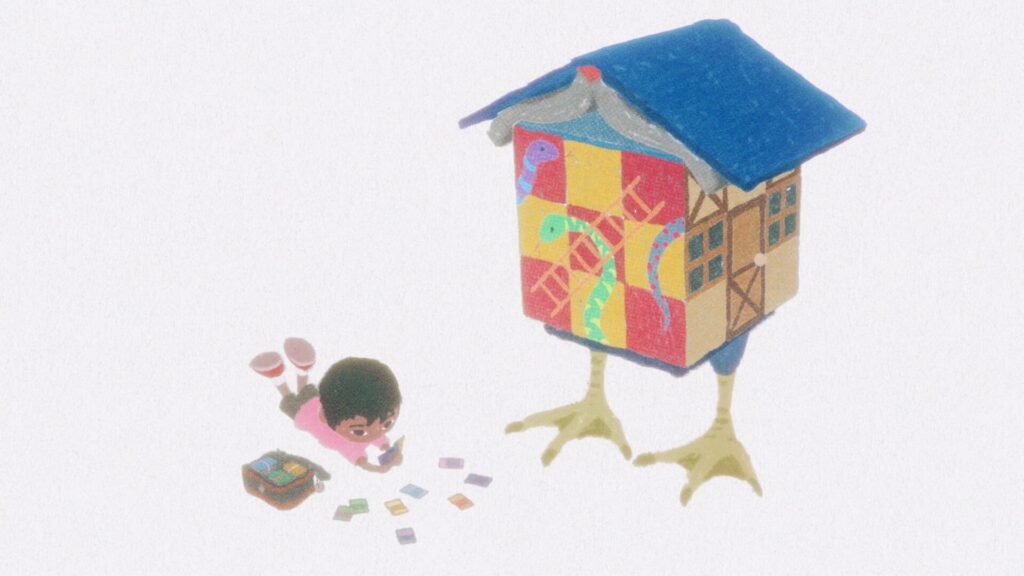
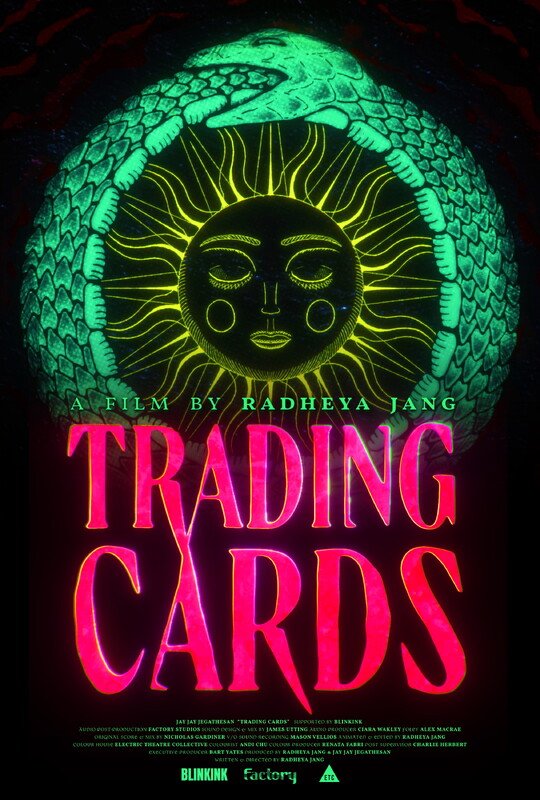

An enigmatic man journeys back in time to find his younger self, seemingly to revisit the nostalgia of trading cards. An exploration of identity, mental health and the erosion of childhood innocence, Trading Cards is a dark fantasy animated film about the weight of living with Obsessive-compulsive disorder.
In Competition
| Year of Production | 2025 |
| Language | English |
| Country of Origin | Australia, United Kingdom |
| Runtime | 14:59 |
| Type | Animation, Short |
| Director | Radheya Jang |
| Writer | Radheya Jang |
| Producers | Jay Jay Jegathesan Radheya Jang |
| Narrator | Jay Jay Jegathesan |
| Animator | Radheya Jang |
| Editor | Radheya Jang |
| Modeller | Yacine Brinis |
| Original Score & Score Mix | Nicholas Gardiner |
| Sound Recording (Voiceover) | Mason Vellios |
| Sound Design & Mix | James Utting |
| Audio Producer | Ciara Wakley |
| Foley | Alex McRae |
| Audio Post-Production | Factory Studios |
| Story Consultant | Luisa Mitchell |
| Mental Health Consultant | Dr Anasuya Jegathesan |
| Cultural Consultants | Mirae Jang Hyewon Jang Jennifer Kaw |
Credits provided via FilmFreeway
Director Biography
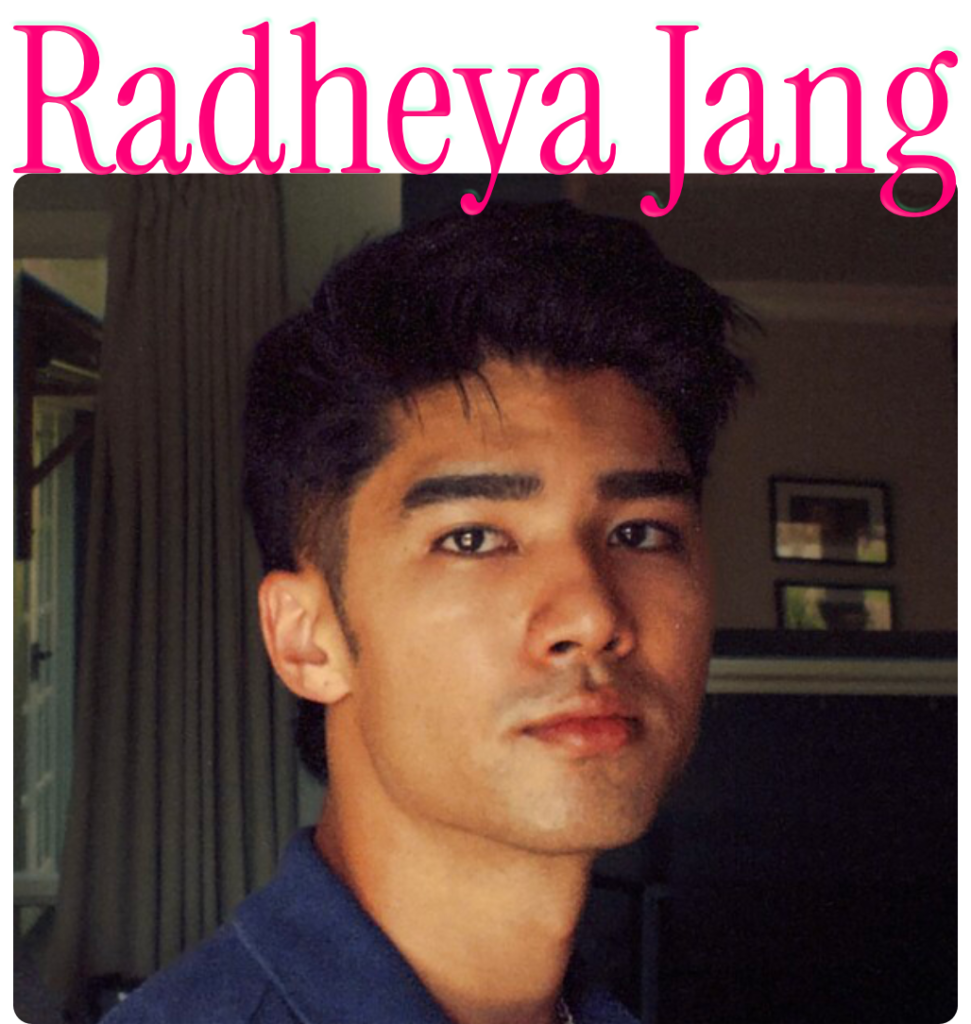
Radheya Jang is an Oscar‑qualified Australian director based in London, working across animation, documentary, and live action. His latest film ‘Trading Cards’ was selected for SXSW London. His films have screened at Animafest Zagreb, Short Shorts Asia (Tokyo), Flickerfest, Sydney Film Festival, AFI Fest, Warsaw and SITGES, establishing a sustained international presence with 58 Academy Award–qualifying festivals selections worldwide. His work has been recognised by organisations including Sony and the World Health Organisation, and he has directed commissioned projects for global brands such as Dyson and WaterAid through BlinkInk. He continues to develop work across both artistic and commercial spheres.
His animated short Bird Drone was shortlisted for the Sony Future Filmmaker Awards. The Quiet was Oscar-qualified and longlisted for the Academy Award for Best Animated Short Film in 2021. His live-action short Pacing the Pool won Best Short Documentary at the BFI Future Film Festival and was shortlisted by the World Health Organisation for its Special Prize for Rehabilitation.
His work engages with film and animation in educational and social contexts, including talks and workshops, with his films adopted as teaching resources in schools and universities. He has contributed to large-scale multimedia installations and public projects, including animation and VFX work on How to Live (Lynette Wallworth installation), which premiered at the Sundance Film Festival.
Director’s Statement
In Trading Cards, I explore the psychological aspects of my lived experience with Obsessive Compulsive Disorder.
The film is about the horror of uncertainty, and yearning for the mind you once had as a child – so carefree, living in the moment with no worries. Since imagination and creativity is such a huge aspect of childhood, I envisioned Trading Cards as an animated dark fantasy film that is a poetic and abstract expression of my experiences and feelings in regards to my mental health struggles.
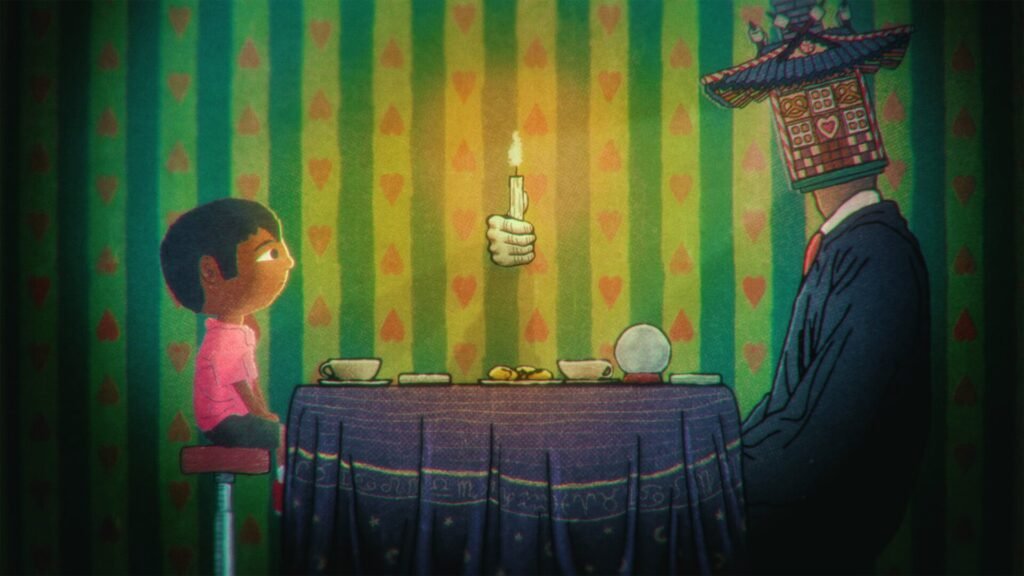
Part of the reason why I am making this film is to open the discussion about OCD, because I think there’s a wide misunderstanding on what it is. Many people (including myself prior to my diagnosis) are not aware that OCD is very complex with a multitude of types / subtypes which manifest in different ways. For me, a significant part of this includes mental compulsions, obsessive thoughts and rumination.
In the film I also explore the evolution of identity as we grow older, and embracing certain aspects of ourselves that our younger selves have yet to take in, such as cultural identity and celebrating one’s multicultural heritage.
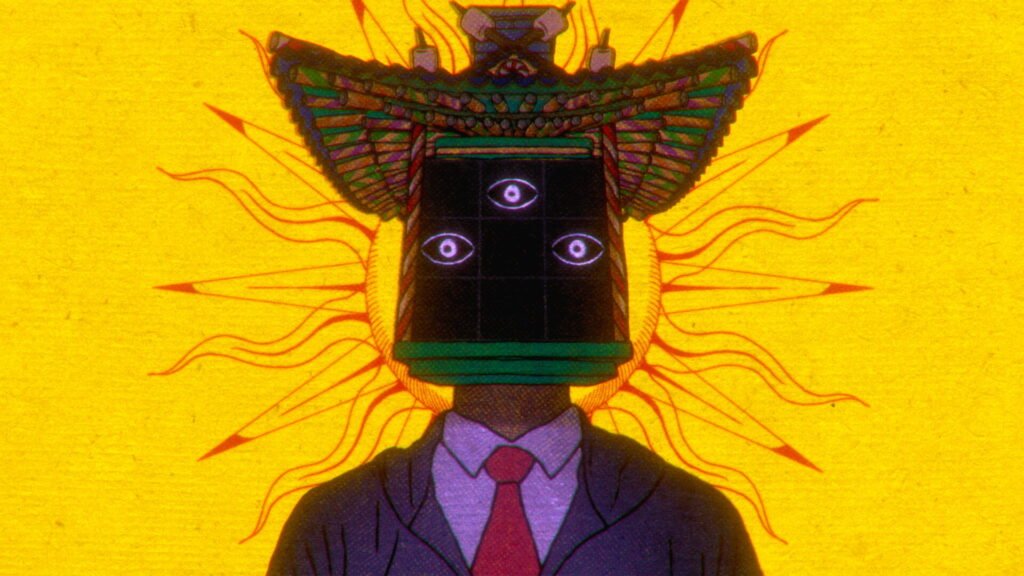
Trading Cards is an eclectic story, with a range of real-world inspirations. I draw upon my own South Korean cultural heritage, including traditional Korean ‘Hanok’ architecture. There are also inspirations from various folk tales and fairy tales from around the world.
Tarot cards play a significant role in the film. Throughout the film, there is imagery based on and inspired by Pamela Colman Smith’s artworks from the 1909 tarot deck conceptualised by A. E. Waite (original artwork in public domain).. Tarot cards are often used for either fortune-telling or self-reflection, both of which are relevant to the thoughts and concerns of the narrator in the film. They also serve as a counterpart to the boy’s own trading cards, which he is enamoured by, and directly based on my own obsession with collecting and playing with trading cards as a child.