
Category: 2026 Selection

  • The Cycling Adventures of Lettice Bly (2026)

    The Cycling Adventures of Lettice Bly (2026)

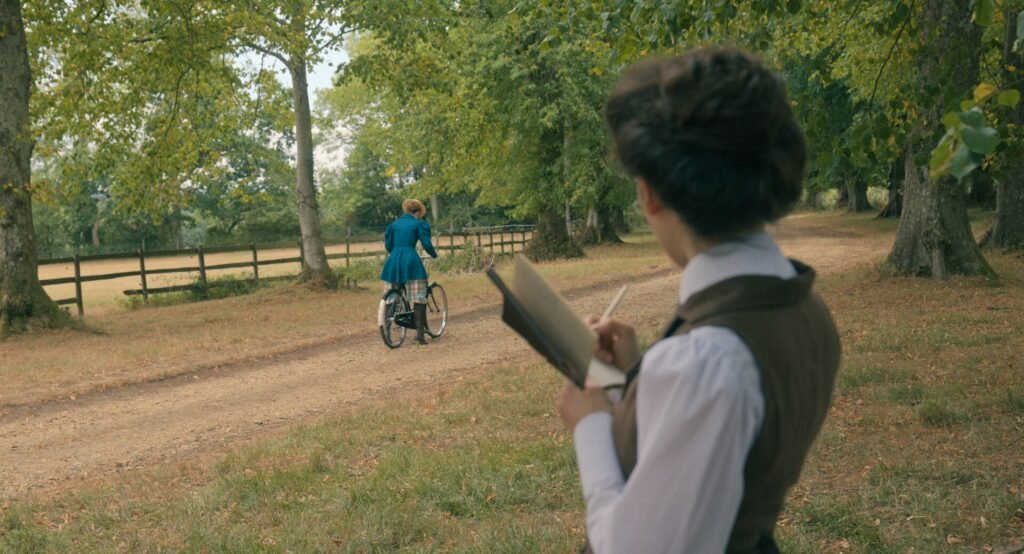
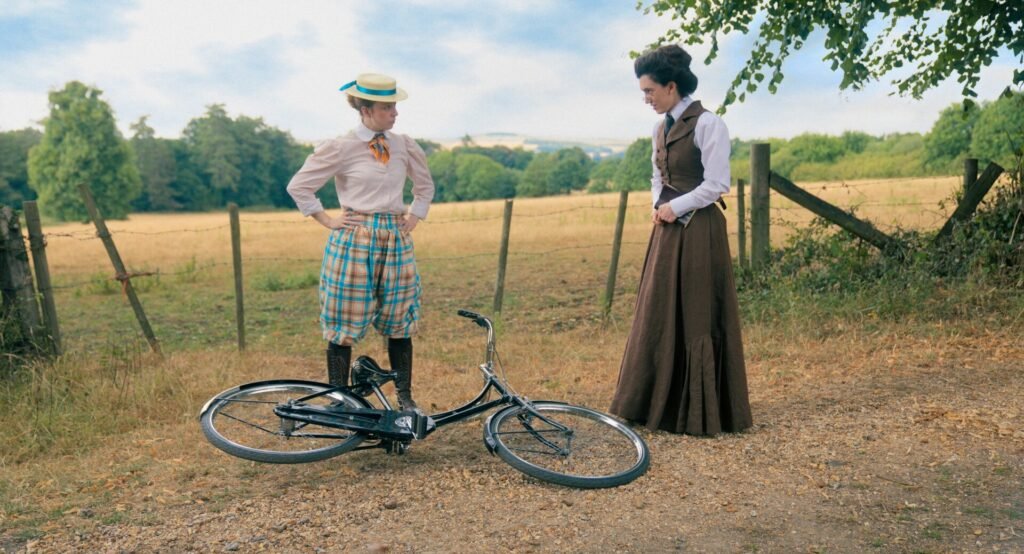
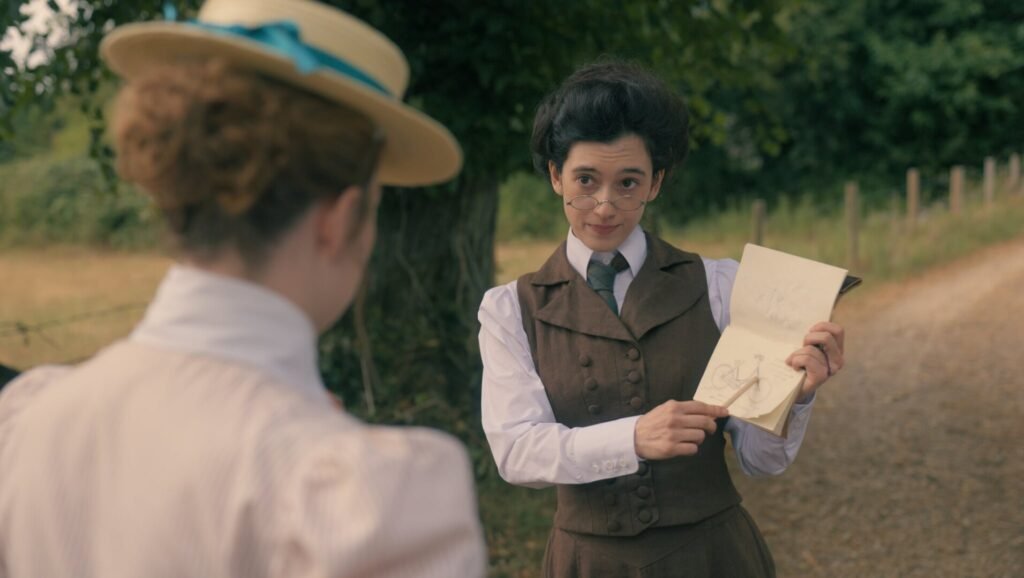
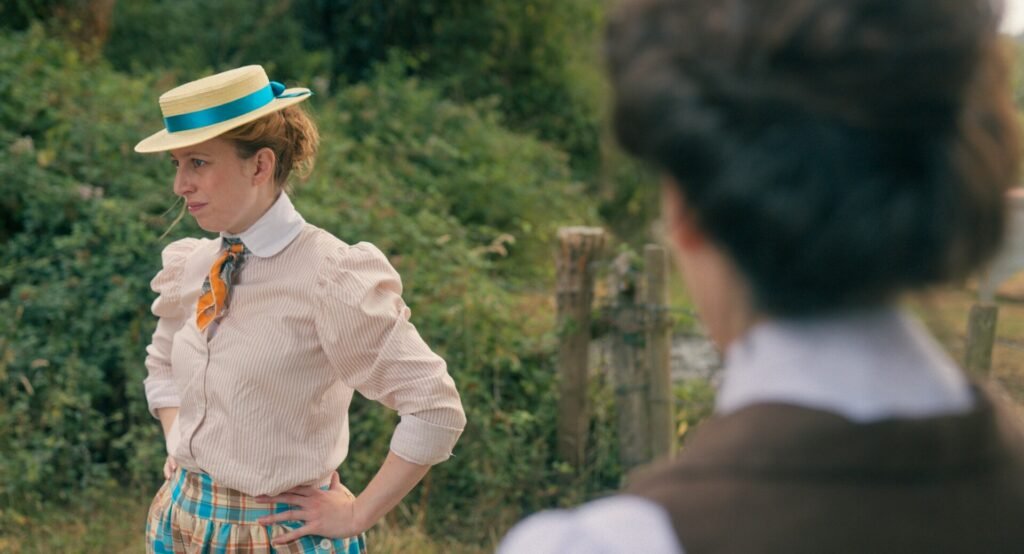
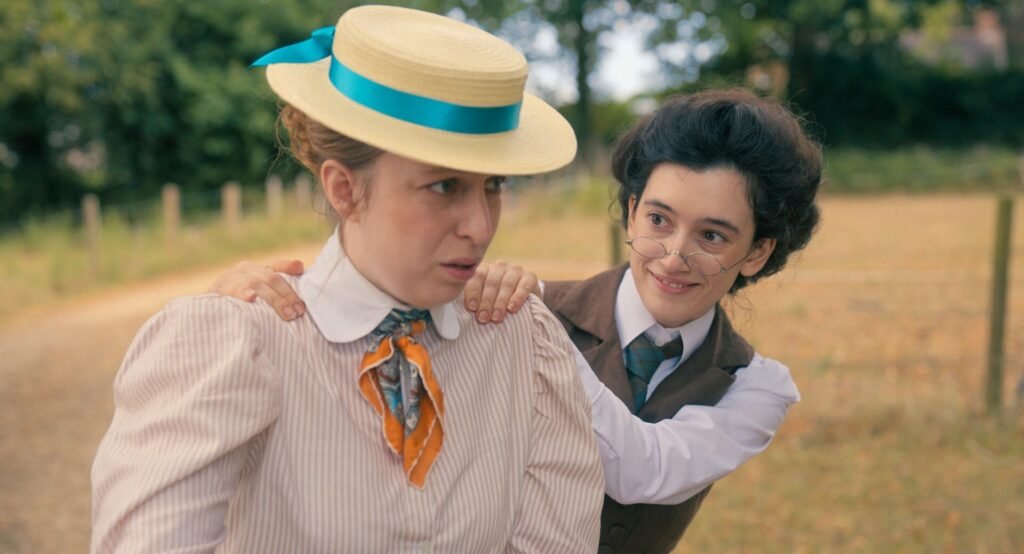
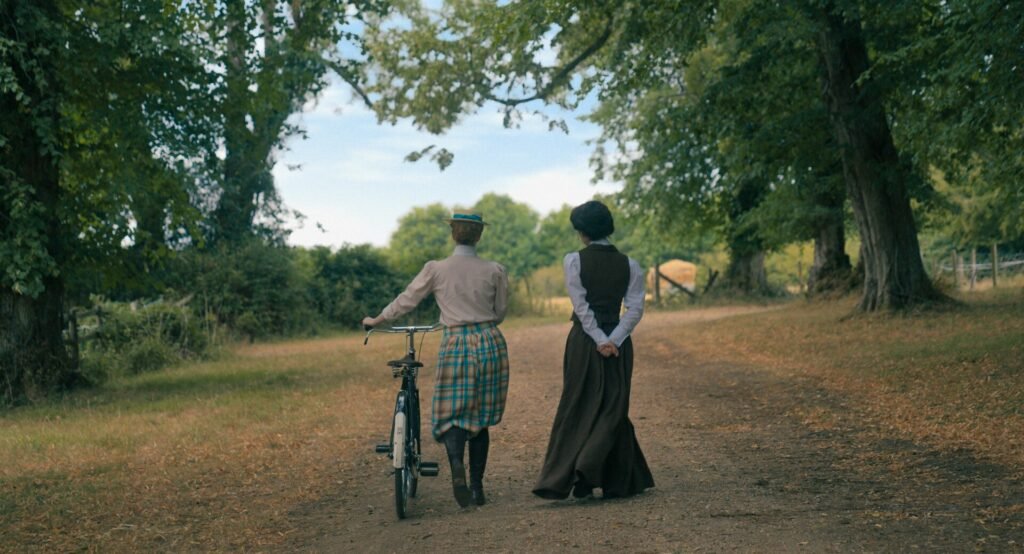
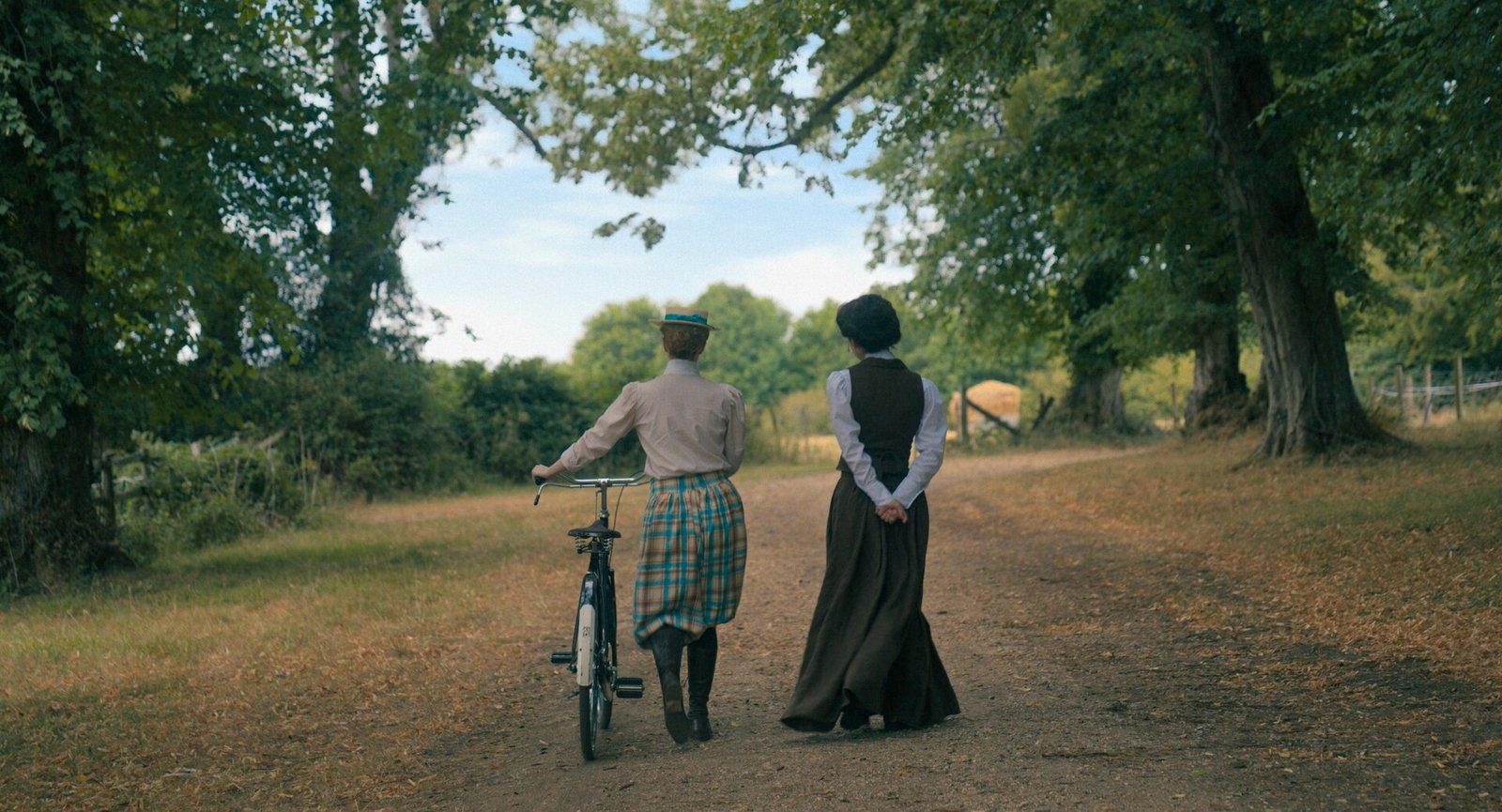
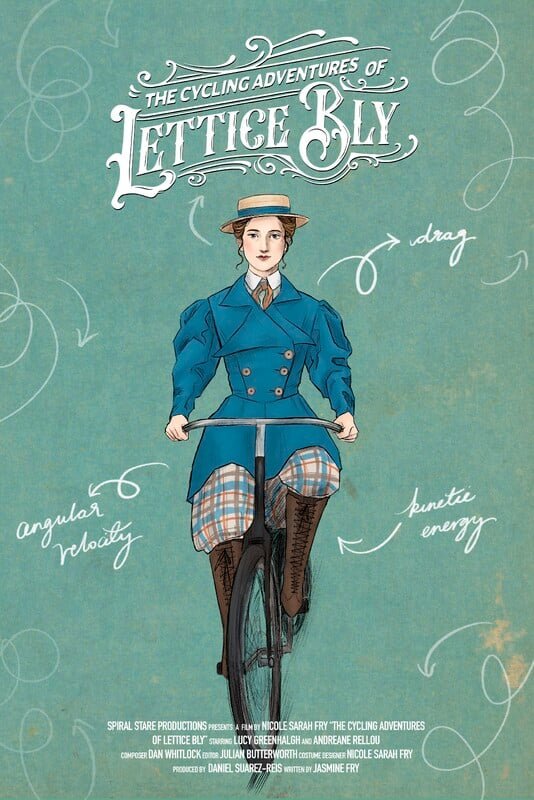
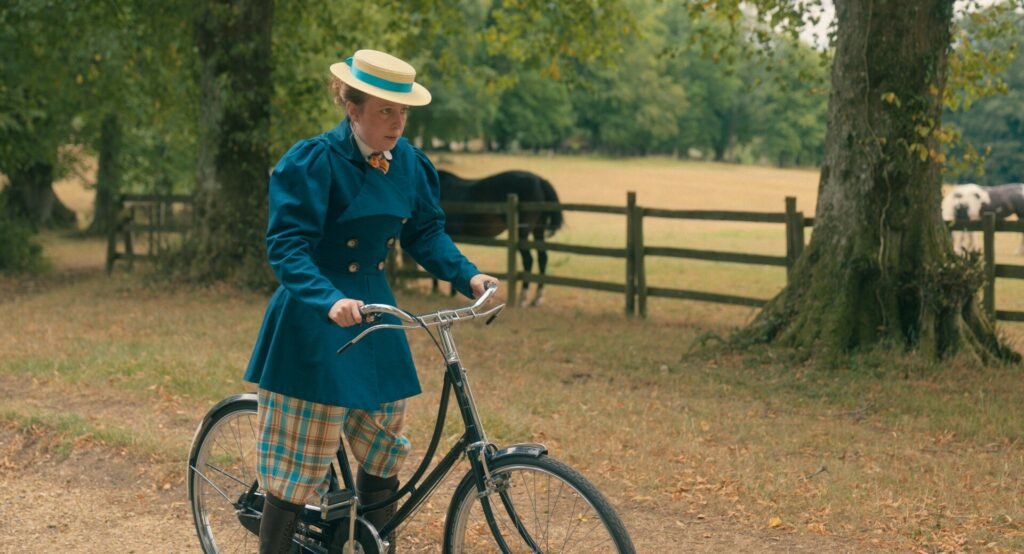
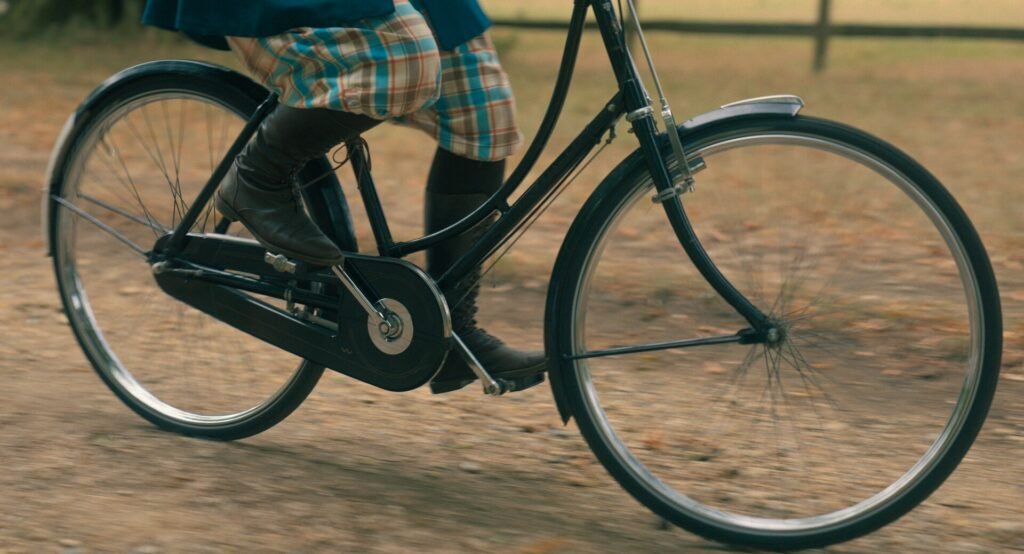
    In 1890s Britain, women cycling shocks the nation. Lettice Bly sets forth, armed with her new bicycle and scandalous bloomers. But cycling isn’t as easy as she thought, and passerby science geek Millicent Frimley-Pratt aims to help her soar with the power of physics.

    In Competition

    Information provided via FilmFreeway

    Director Biography

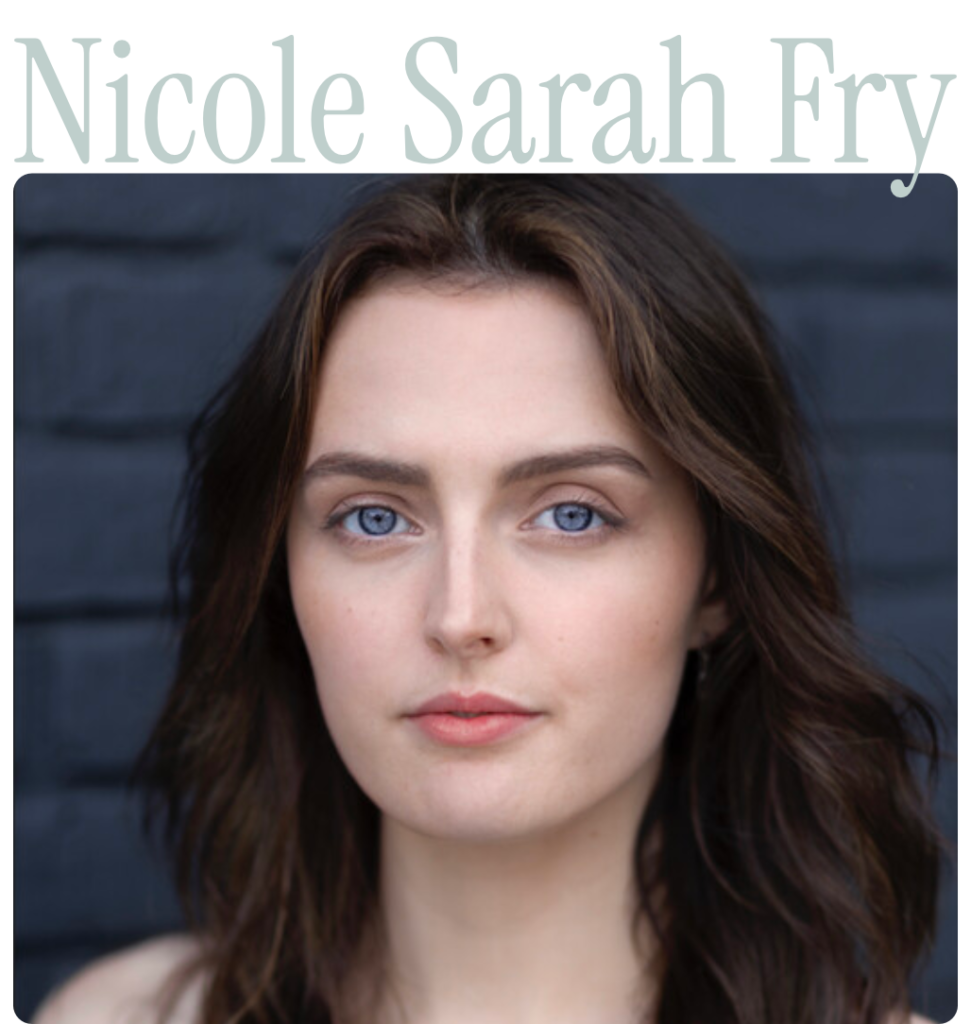
    Nicole Sarah Fry is a 25-year-old filmmaker from Dorset who specialises in making period projects. As well as directing, she writes, makes costumes and does the production design to bring the worlds of her shorts alive. Her previous projects include ‘Desires & Delusions’ (2022), set in 1810, ‘Lies on the Line’ (2023) the 1960s and ‘The Lace’ (2025), set in the 1880s. Her latest film, ‘The Cycling Adventures of Lettice Bly’, was filmed in the summer of 2025.
    Directors’ Statement

    Learning to ride a bike is a classic milestone when growing up and is something that many of us remember vividly for good and maybe bad reasons. The first time you ride without training wheels you fall over, but get back up and try again, only to fail once more. The feeling of finally succeeding is something I wanted to capture in this film. I was reminded of this topic when watching a Tom Scott YouTube video where he, as a 37-year-old man, hadn’t retained his ability to ride a bike. It was so wholesome watching him finally succeed after struggling to get his feet off the ground.
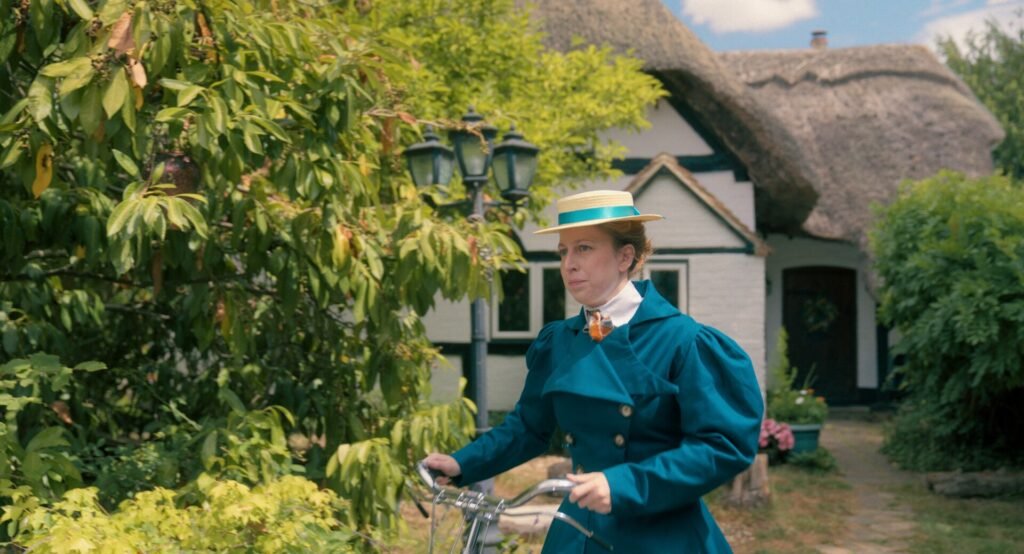
    Taking this idea into a historical setting, my sister and writer of the film, Jasmine Fry, used her knowledge of women’s cycling in the 1890s, which created a perfect setting for our short. It might be odd to think, but Victorian women cycling was very controversial. Women could don radical cycling bloomers and travel alone more easily than ever before. In the 1890s came the cycling craze when British women started riding around en masse. Lettice Bly, one of these newcomers to the sport, is determined to learn regardless of the social implications. Another aspect of Tom’s video I enjoyed was the help he enlisted from a cycling expert. We then created the character ‘Millicent’ in our film, who uses her knowledge of physics to help Lettice succeed.
  • Why We Cry (2026)

    Why We Cry (2026)

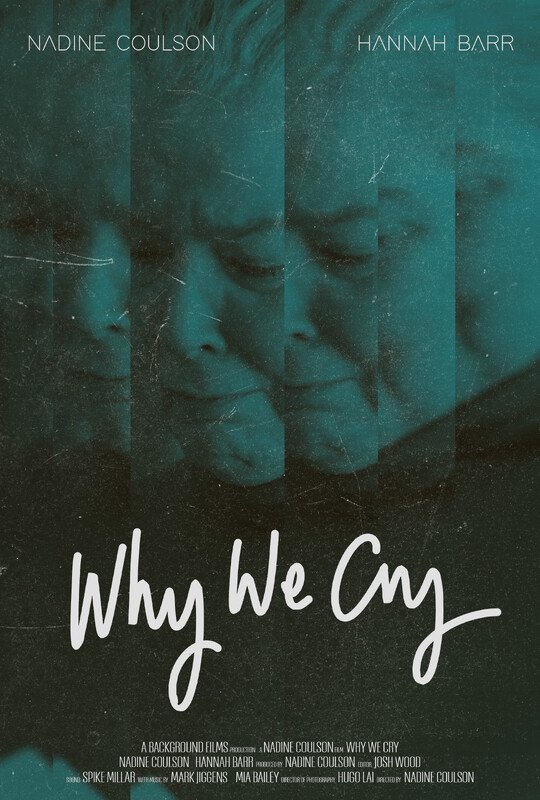
    A story of grief, unexpected companionship, and hope.

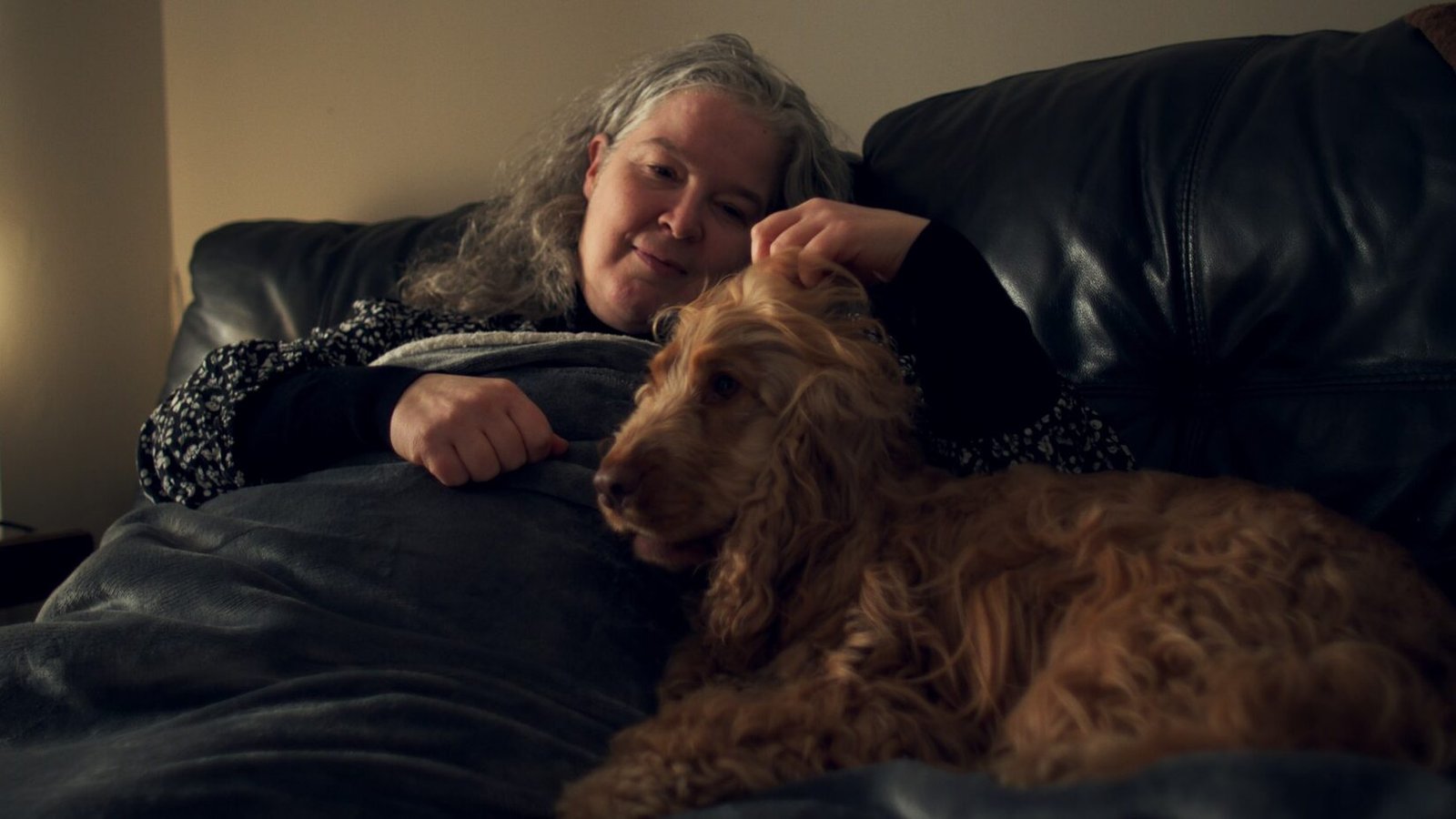
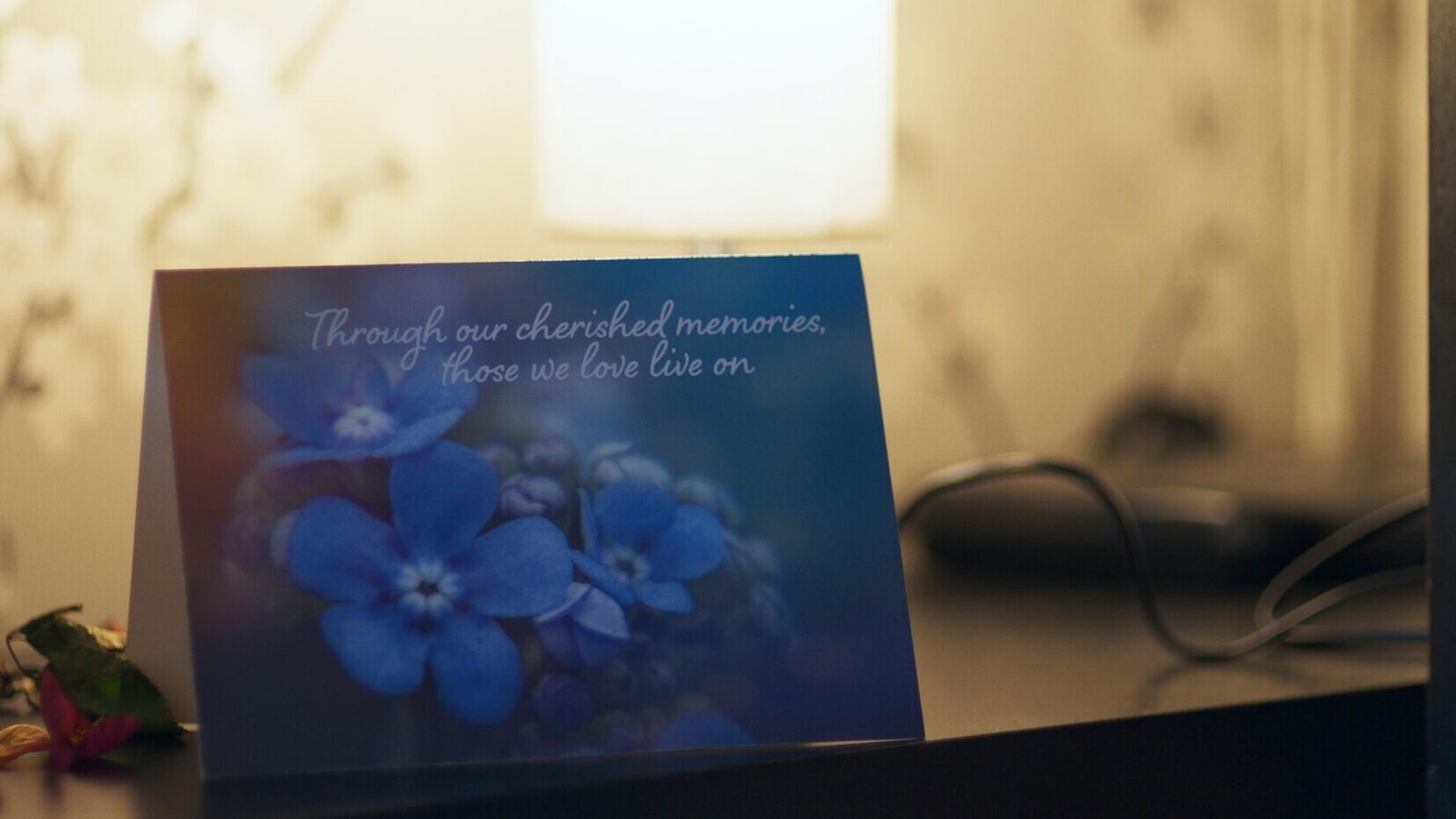
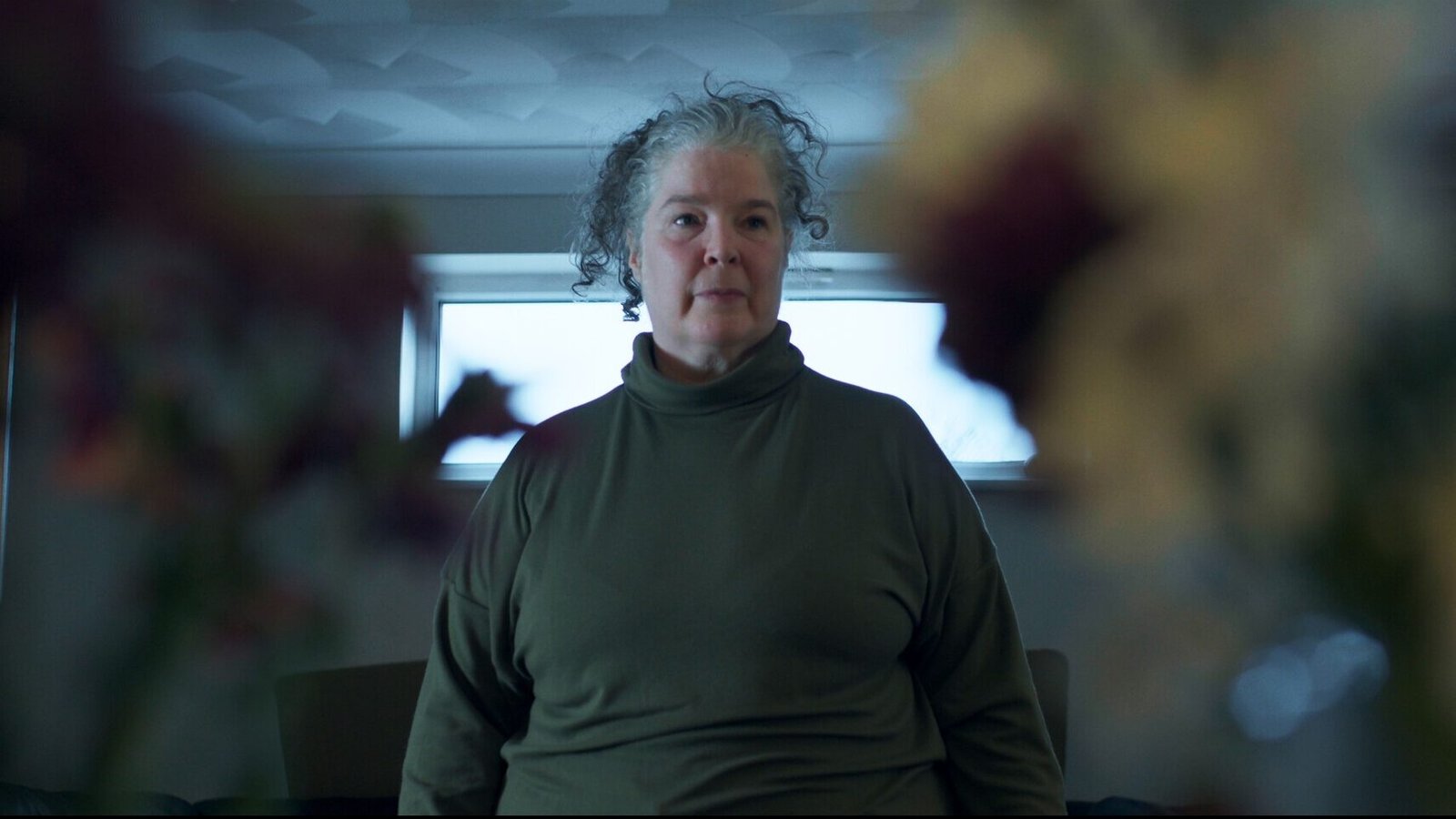
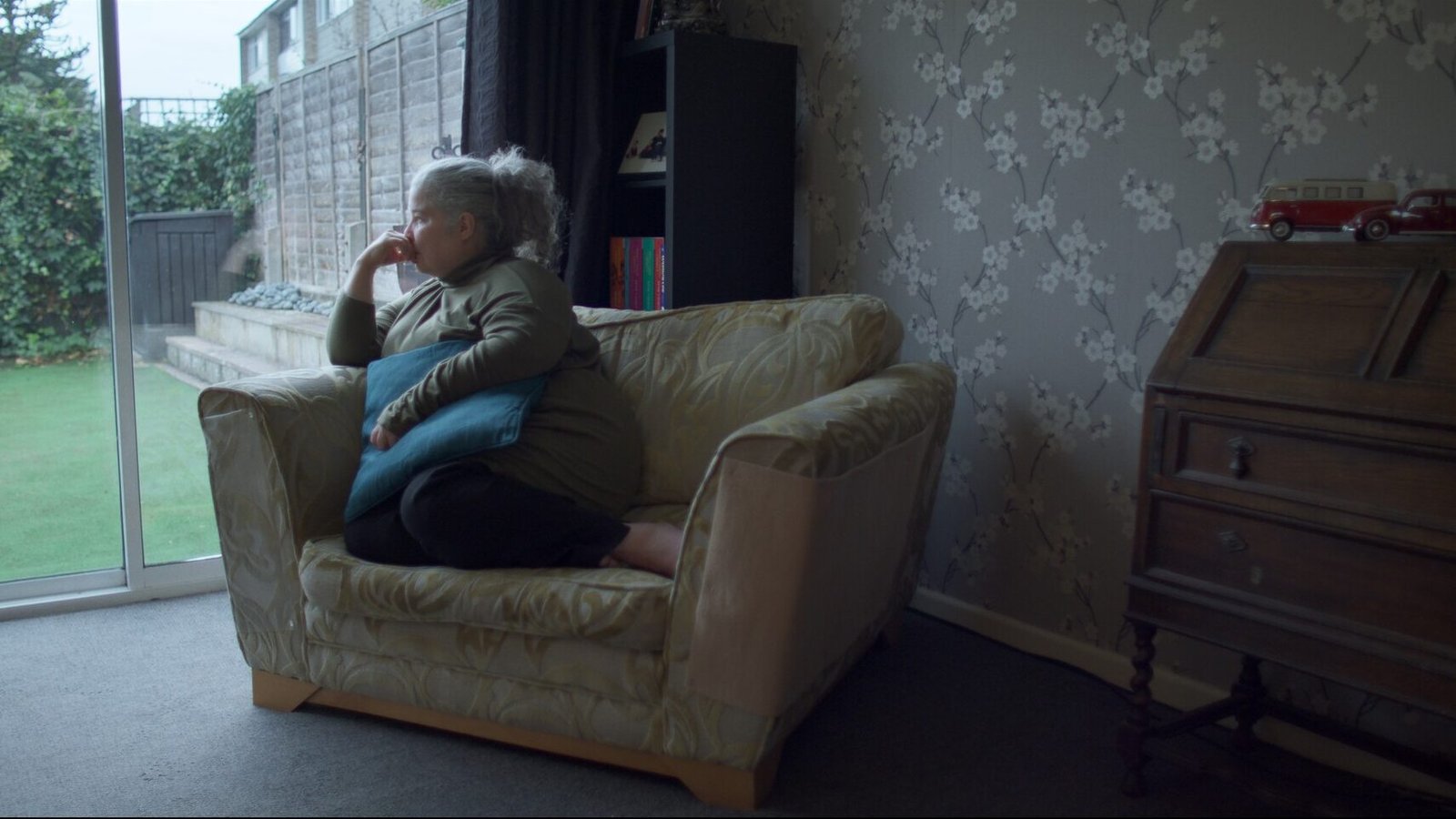
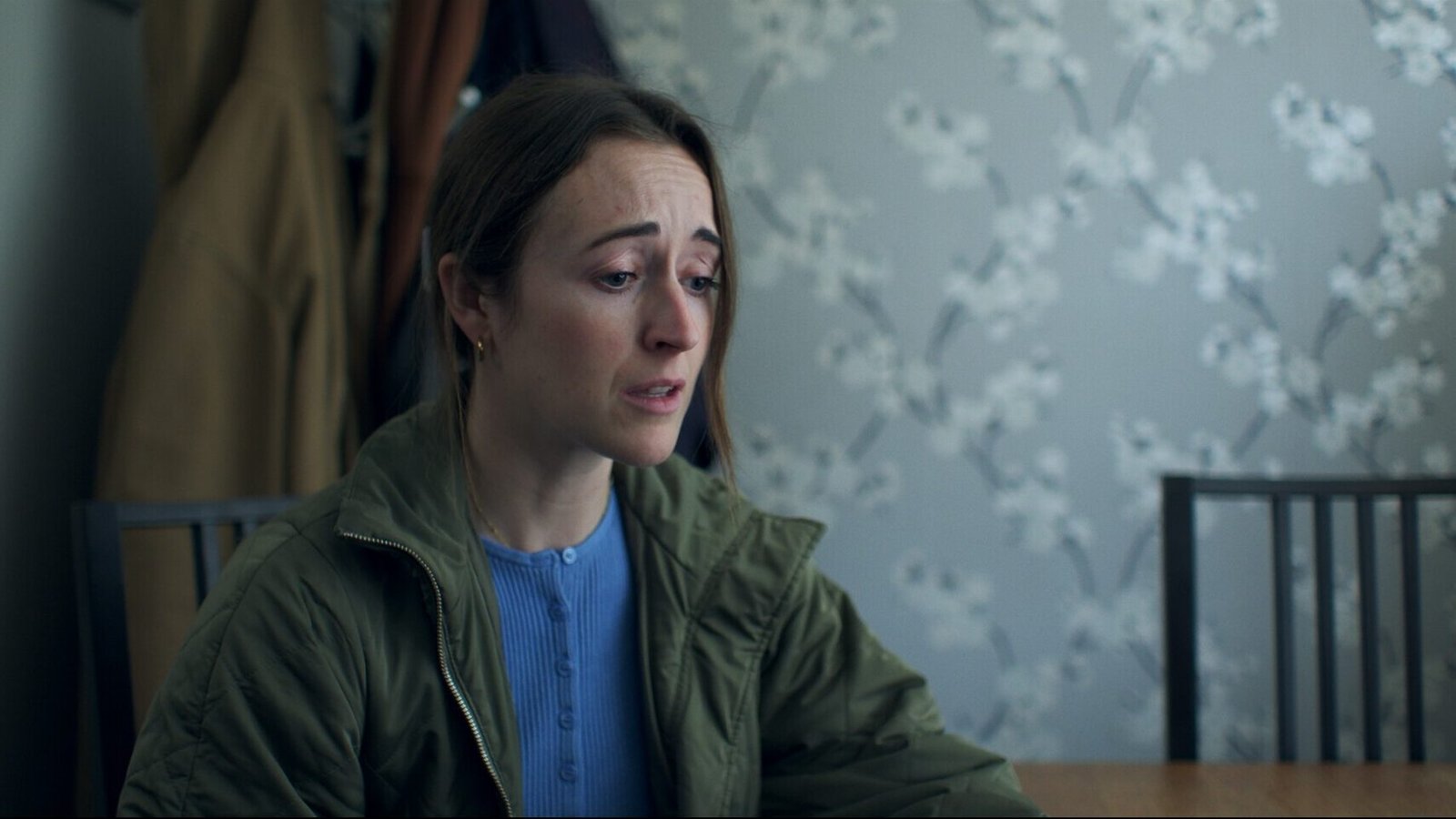
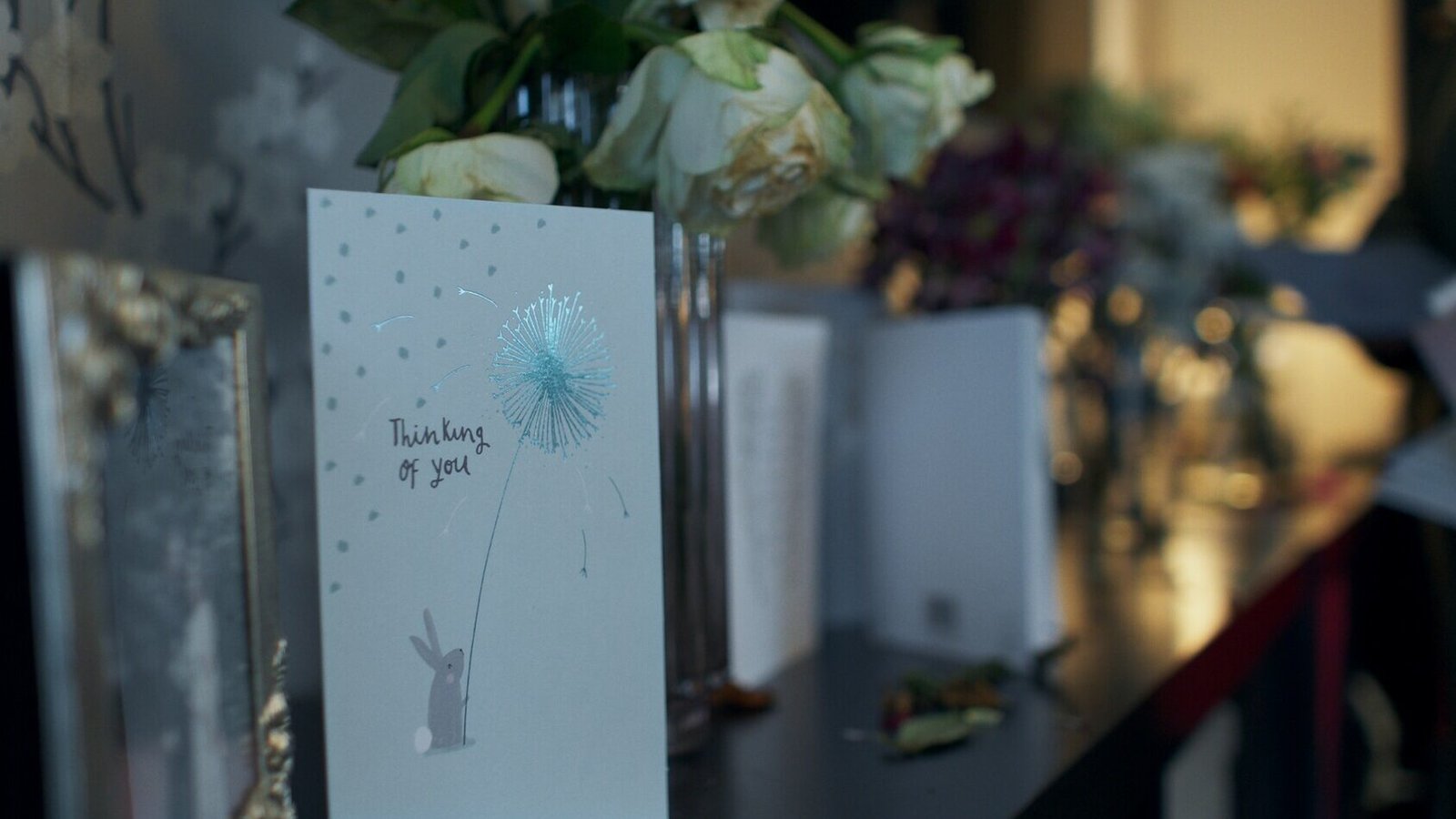
    Grief and fear hang heavy in Nicky’s quiet home, where sympathy cards and fading flowers remind her of the heartbreaking reality her husband, the man who has been by her side through it all, is dead.
    Alone, aching and unsure of the future, she moves through her days numb to the passing of time – until a chance encounter with a neighbour’s dog, Monty.

    In Competition

    Information provided via FilmFreeway

    Director Biography

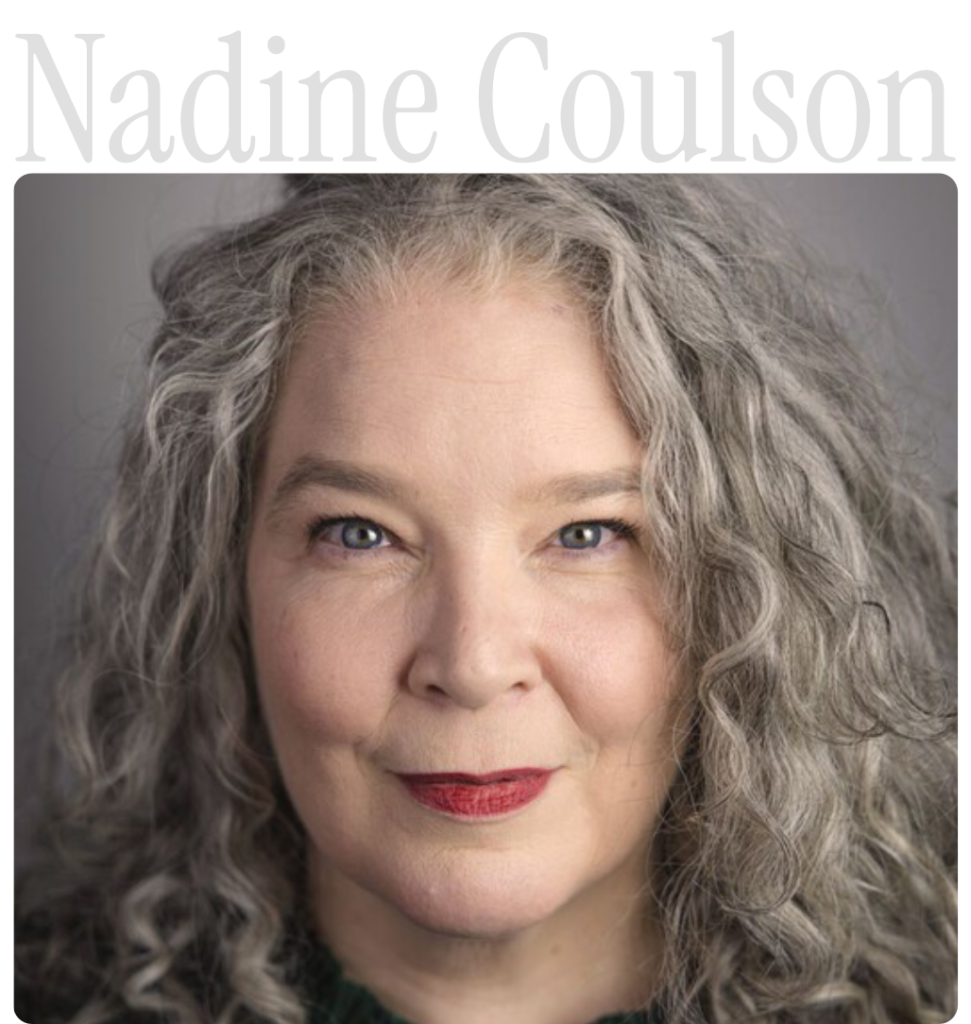
    Nadine is a London-raised, Kent-based filmmaker and actor who believes story is everything. As a director, her focus is always the audience — how they feel, what they understand, and what they carry home with them. Before stepping behind the camera, Nadine spent nearly a decade as a funeral celebrant, honouring more than a thousand lives – work which honed her craft as a storyteller and reinforced a long-held belief: life is too short not to do what you love. Living with MS and coming to filmmaking later in life, she understands the challenges older women and those with disabilities can face and hopes to champion both those communities.

    Directors’ Statement

    The saying ‘What is meant for you will not pass you by’ really resonates with me. As a child I had big dreams, dreams which remained despite a detour. Nearly ten years as a funeral celebrant, honouring more than a thousand lives, shaped the storyteller’s instinct I brought to Why We Cry. Personal, purposeful, and filmed in one day, I know I still have much to learn but I’m proud of what we made.

  • Pigeonman (2026)

    Pigeonman (2026)

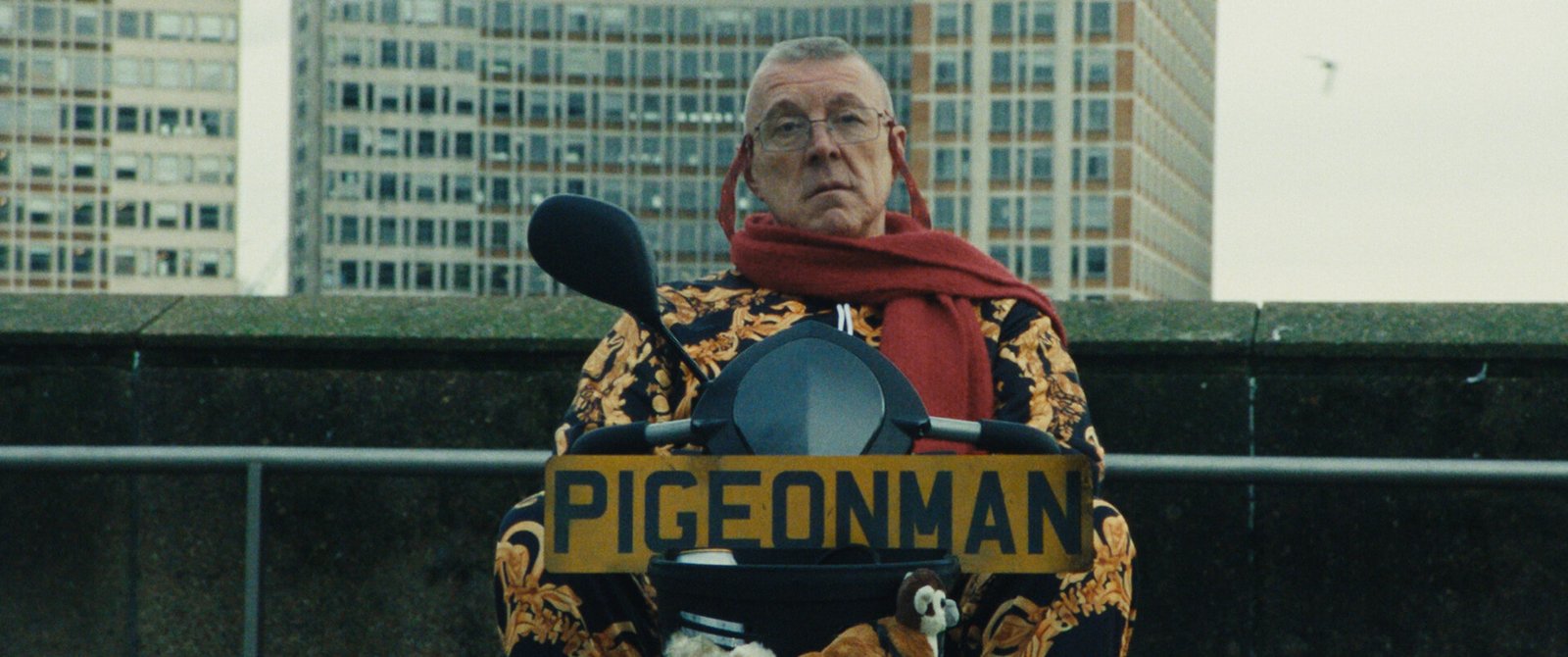
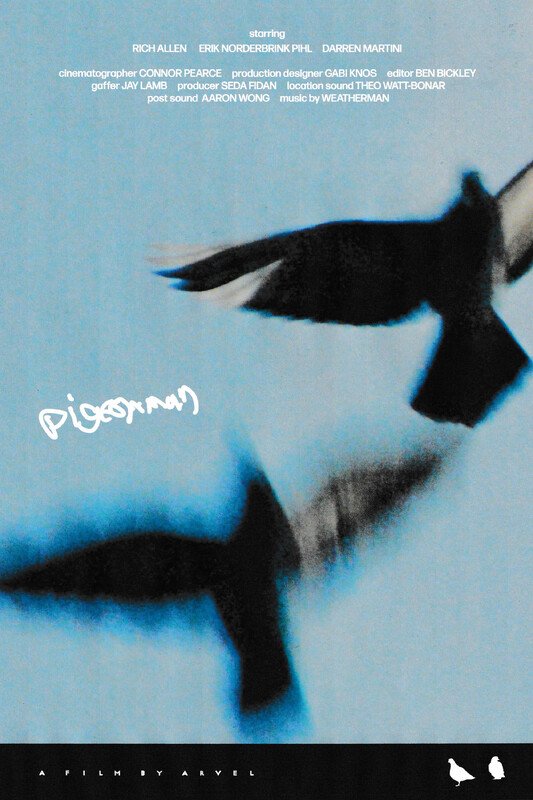
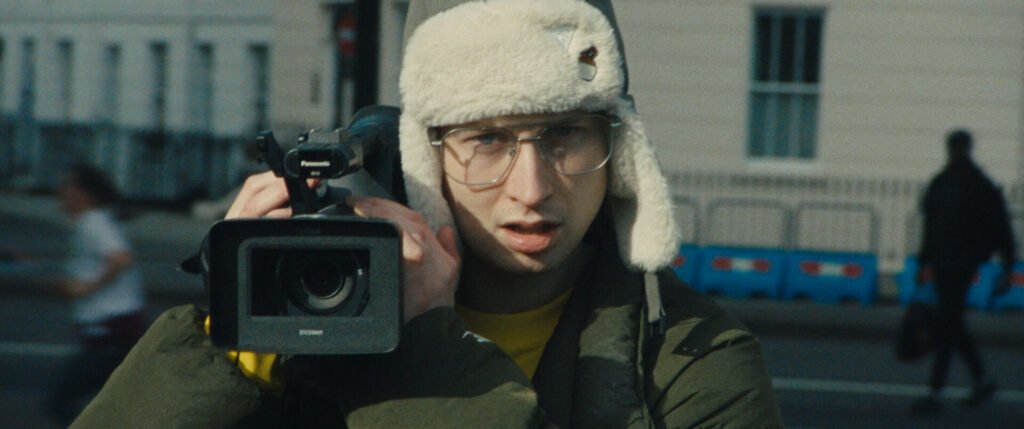
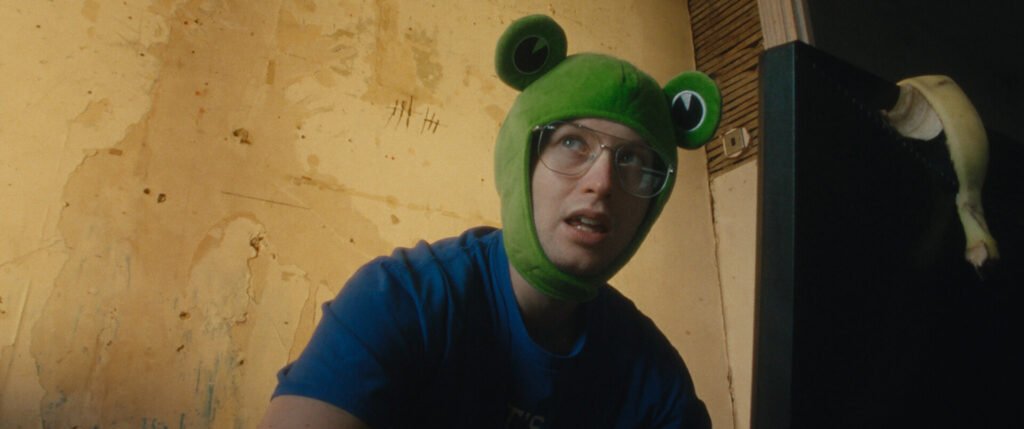
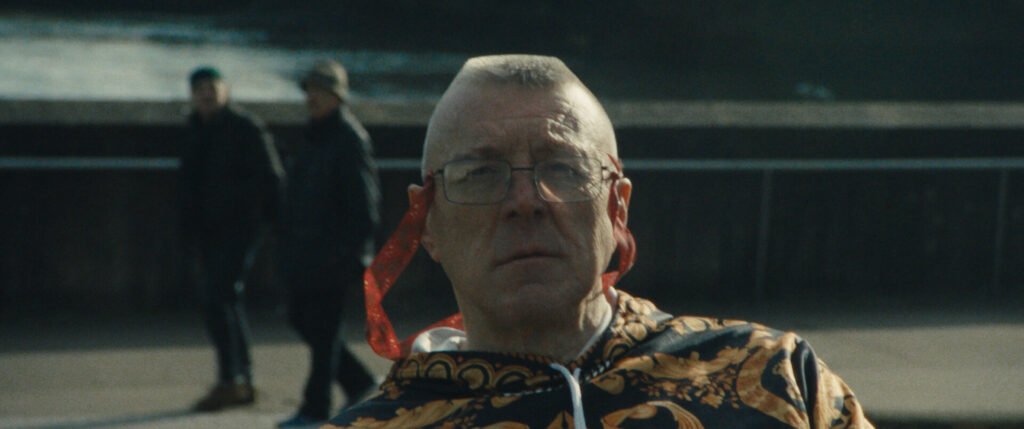
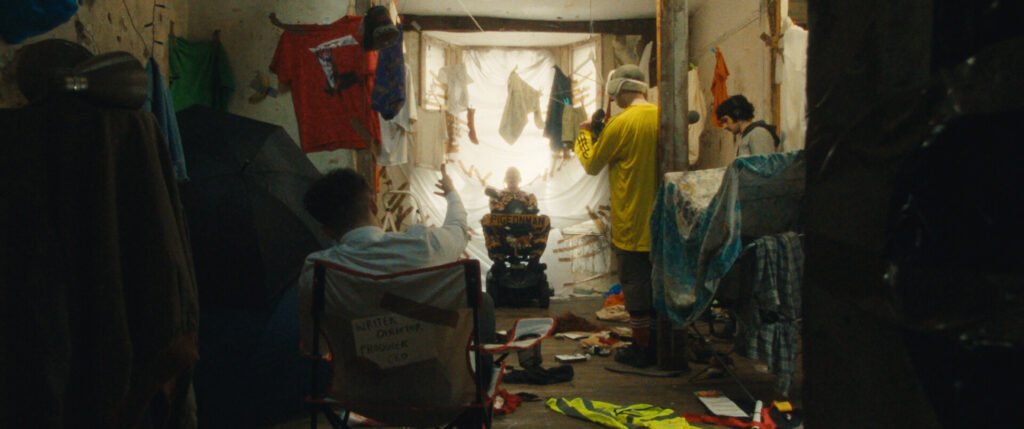
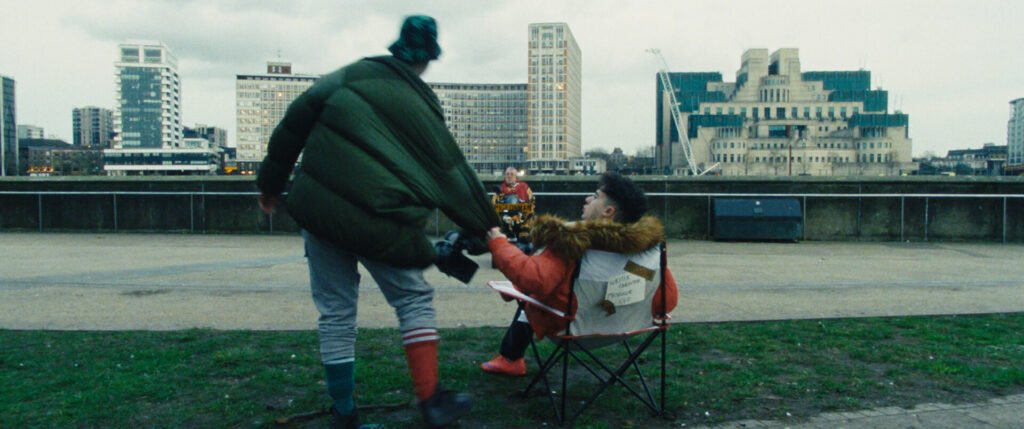
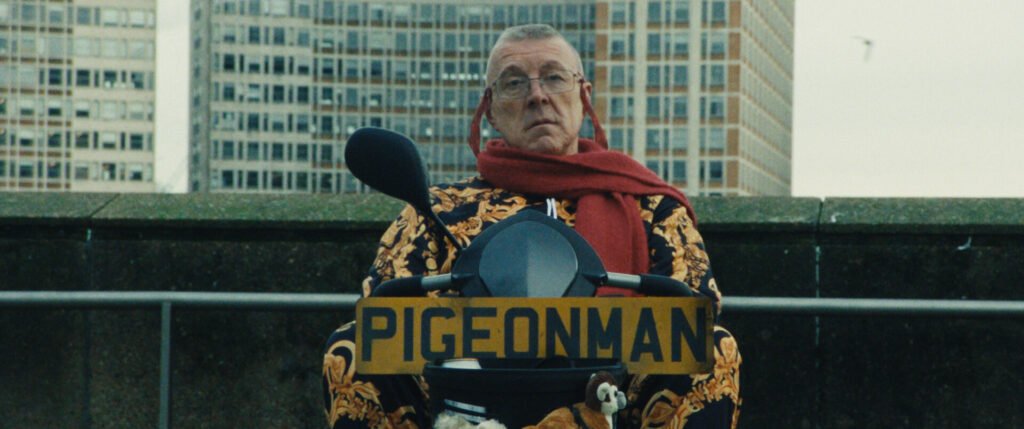
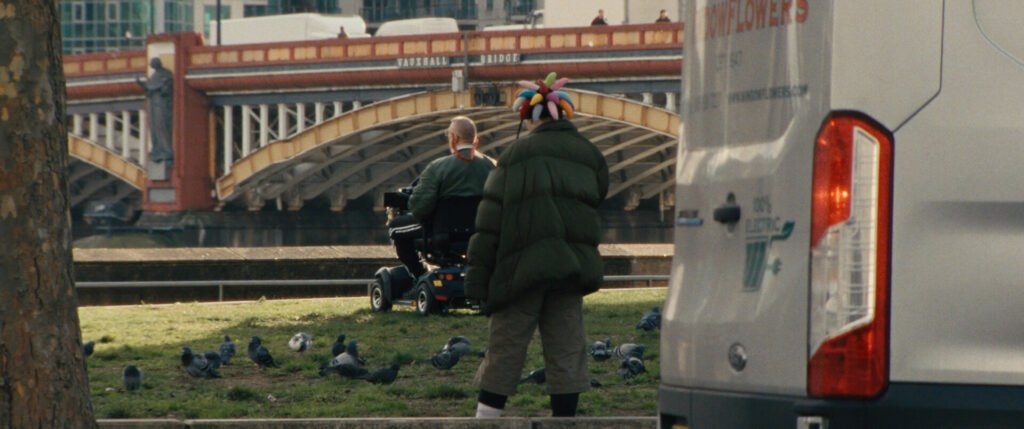
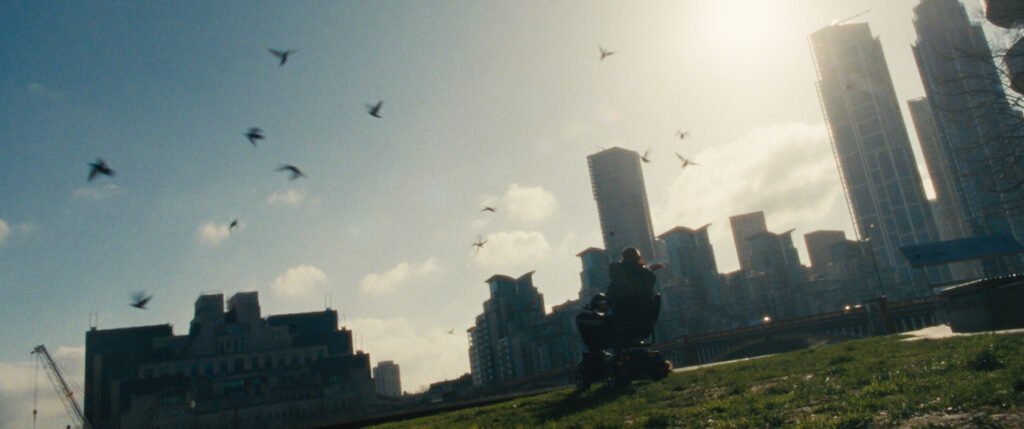
    A director plans to make a viral video in order to get famous. Alongside his assistant, Pepsi, the two attempt to film a local man who thinks he can control birds. Pigeonman doesn’t think he can control birds. He knows it. As time progresses and the directors nasty true intentions show, Pepsi begins to have a change of heart, eventually joining Pigeonman in his strange hobby.

    In Competition

    Information provided via FilmFreeway

    Director Biography

    London based writer director.

    Directors’ Statement

    N/A.

  • Mari Lwyd (2026)

    Mari Lwyd (2026)

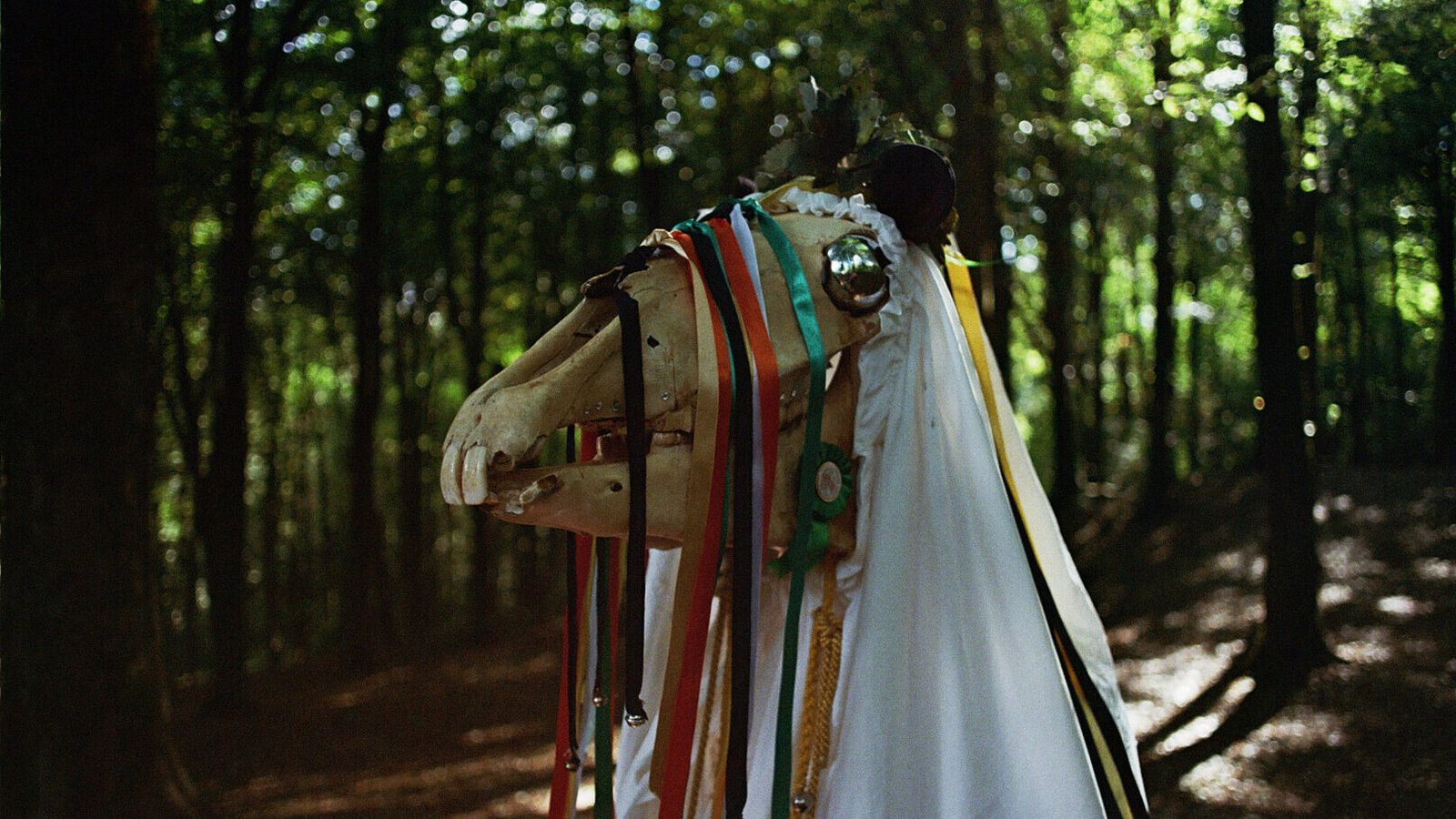
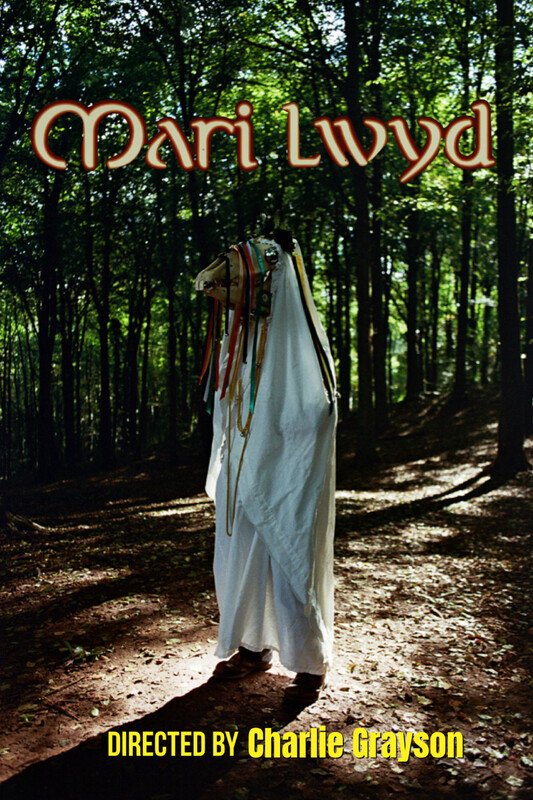
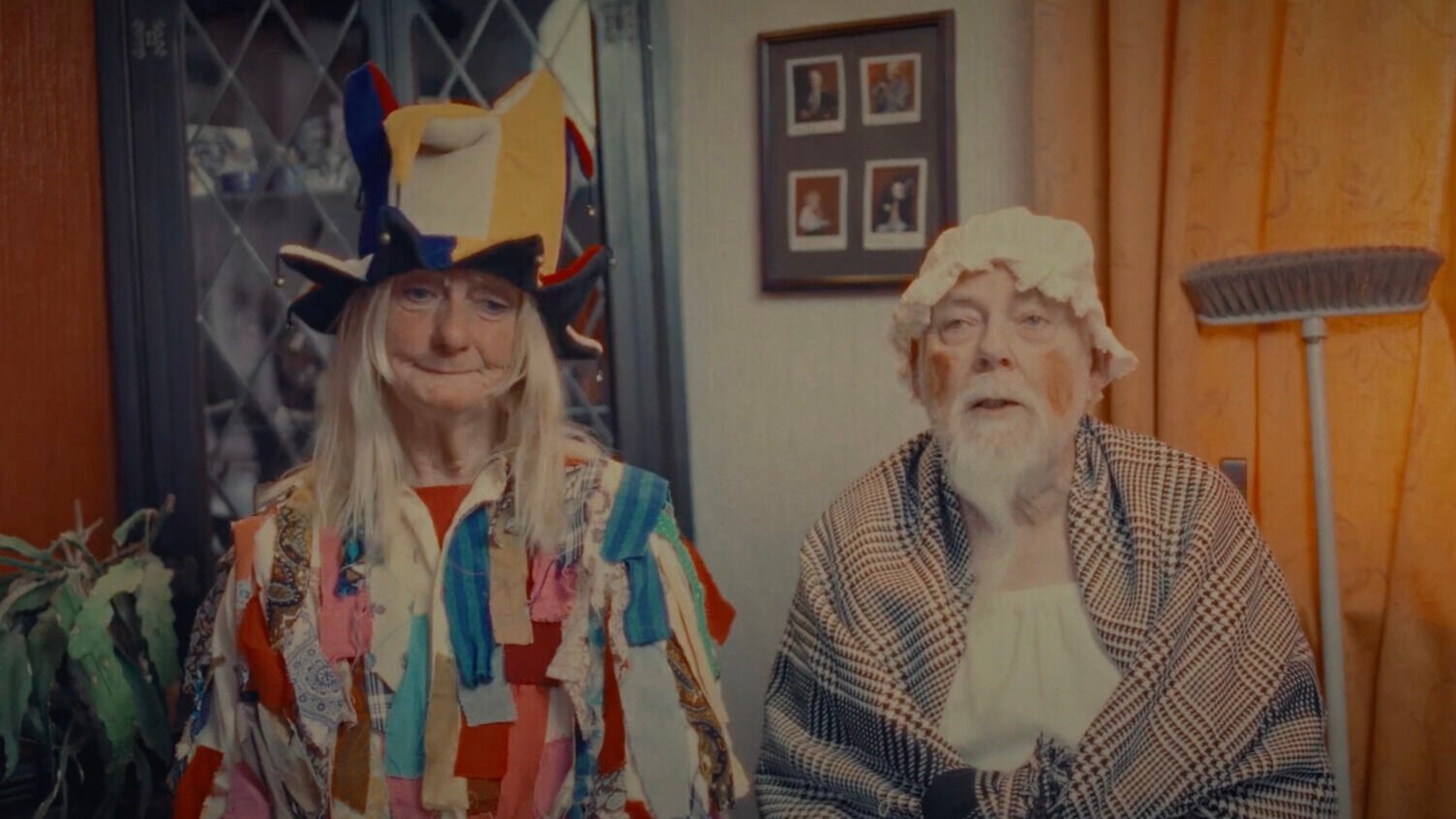
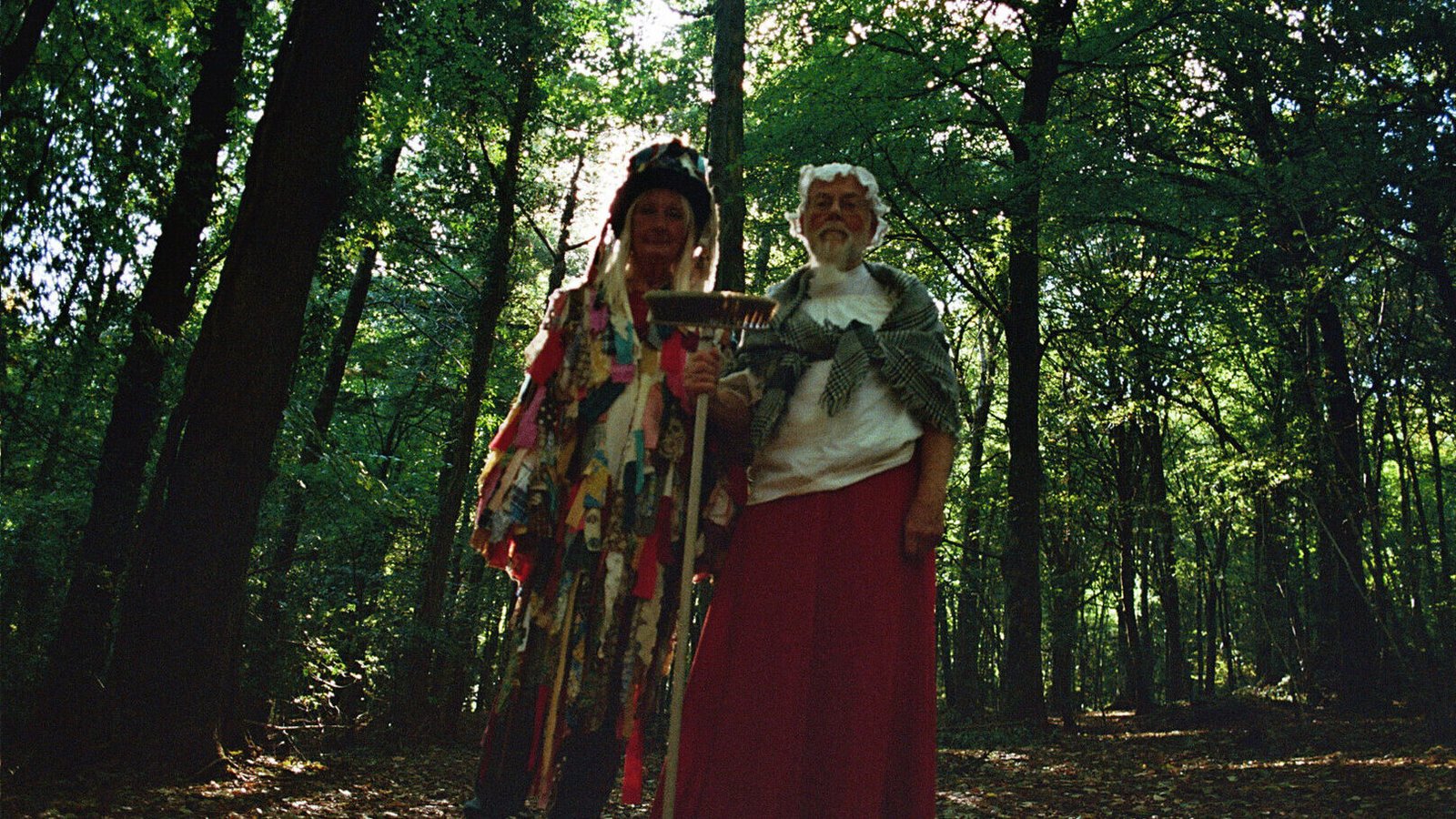
    An ancient tradition from South Wales. The MARI LWYD. A short documentary from the perspective of the very beings that arrive with the Mari Lwyd every winter solstice.

    In Competition

    Information provided via FilmFreeway

    Director Biography

    An MA graduate of documentary from the University of South Wales, award winning documentary filmmaker (Royal Television Society, International Film Festival of Wales), Charlie Grayson.

    Directors’ Statement

    I’m an independent documentary filmmaker from South Wales and I decided to make this film because of my love for horror and folklore. With the Mari Lwyd I had the opportunity to make a hybrid documentary and try something new. Something that I hadn’t done before.

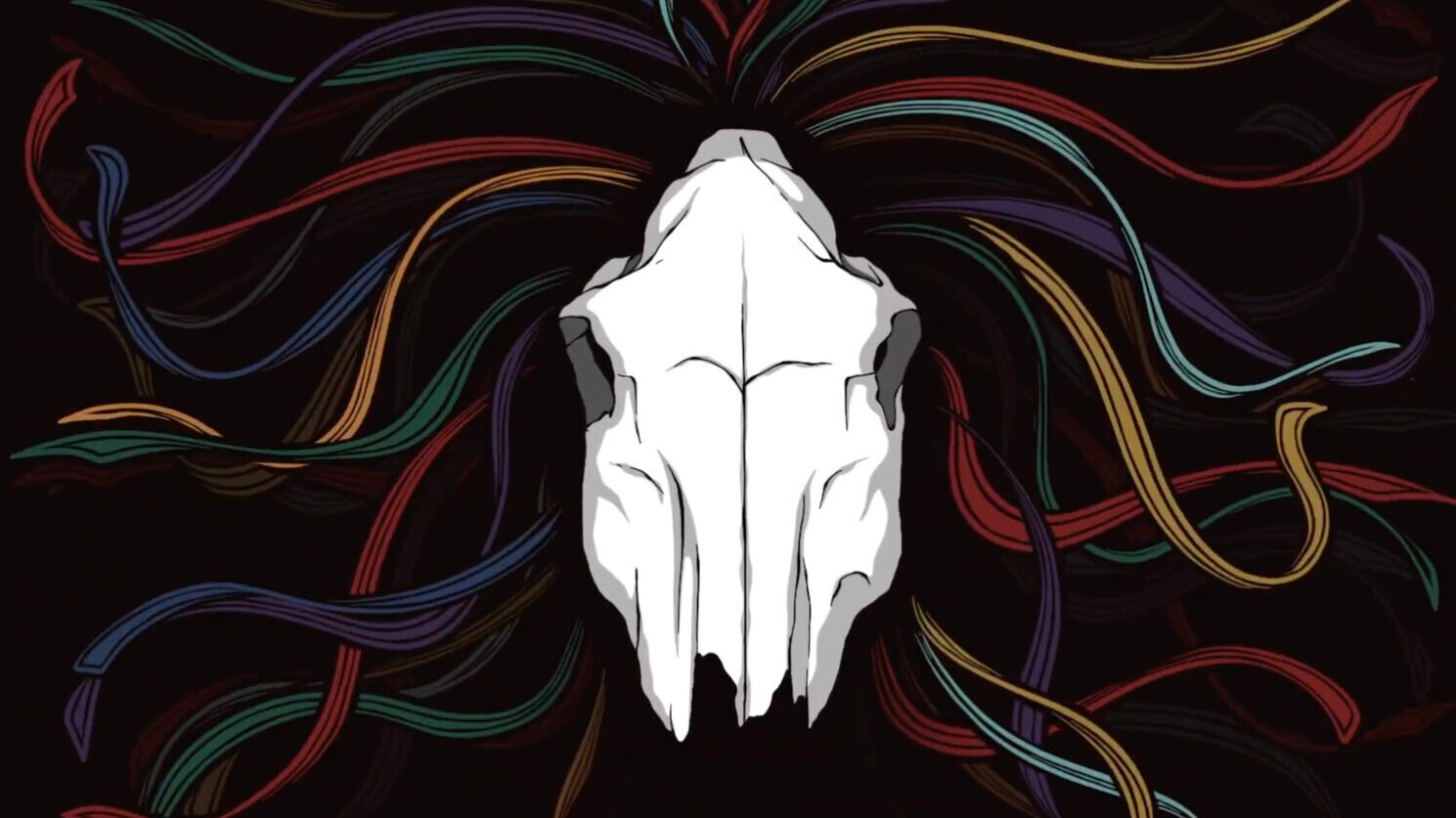
    I was inspired by the Bulgarian documentary ‘Kukeri’. This film was exactly what I set out to do, but with a lower budget. The final film is a hybrid between, animation and interviews of members from the Llantrisant Folk Club, who celebrate the Mari Lwyd annually.

    Instead of making a film about a folk club I wanted to focus solely on the tradition, so I interviewed each member in their character that they would portray during the day of celebration. Aiming to transport the viewer back in time to when the tradition was at it’s peak. I wanted the film to have a timeless feel to reflect this.

  • Life In Motion (2026)

    Life In Motion (2026)

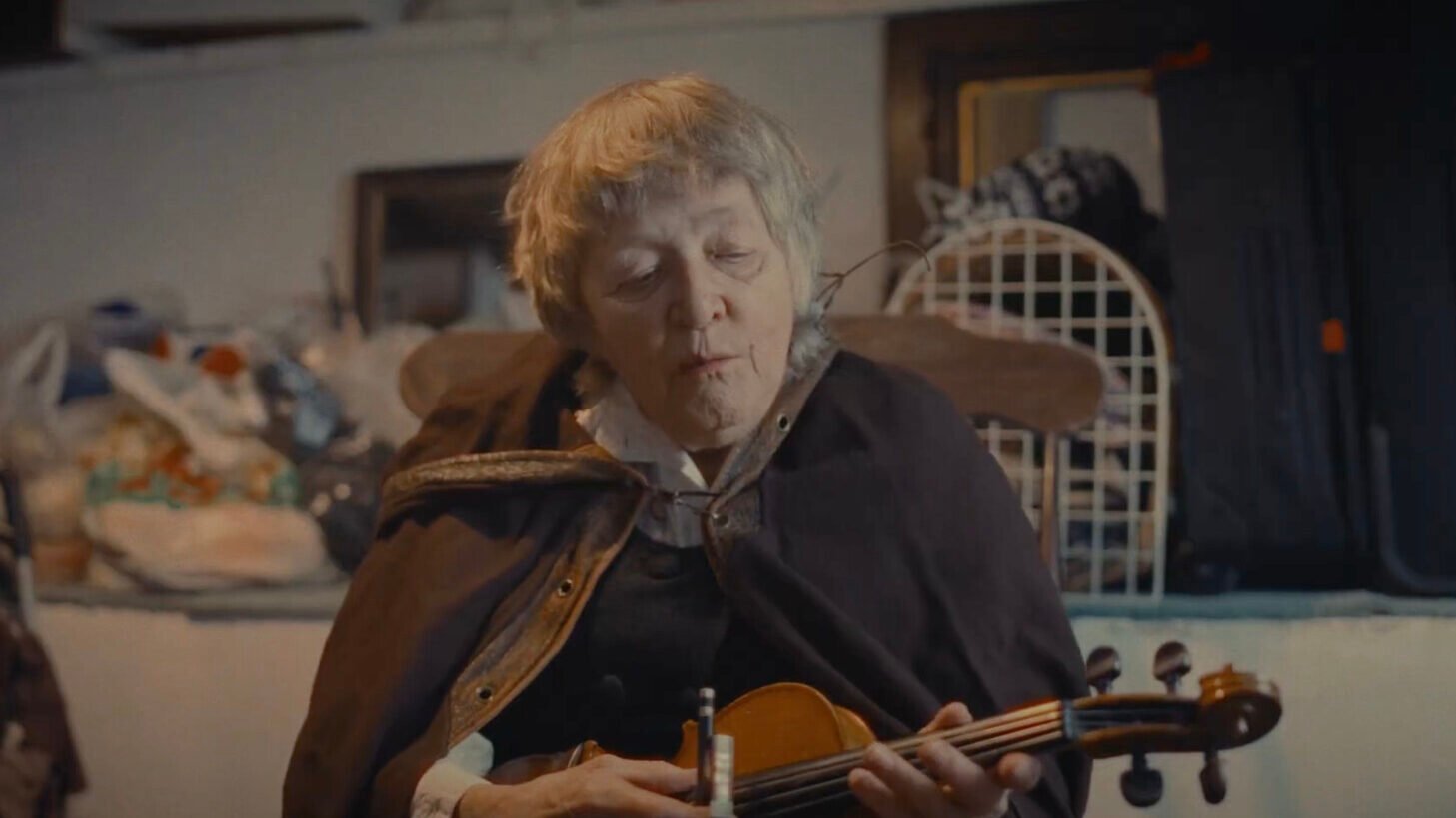
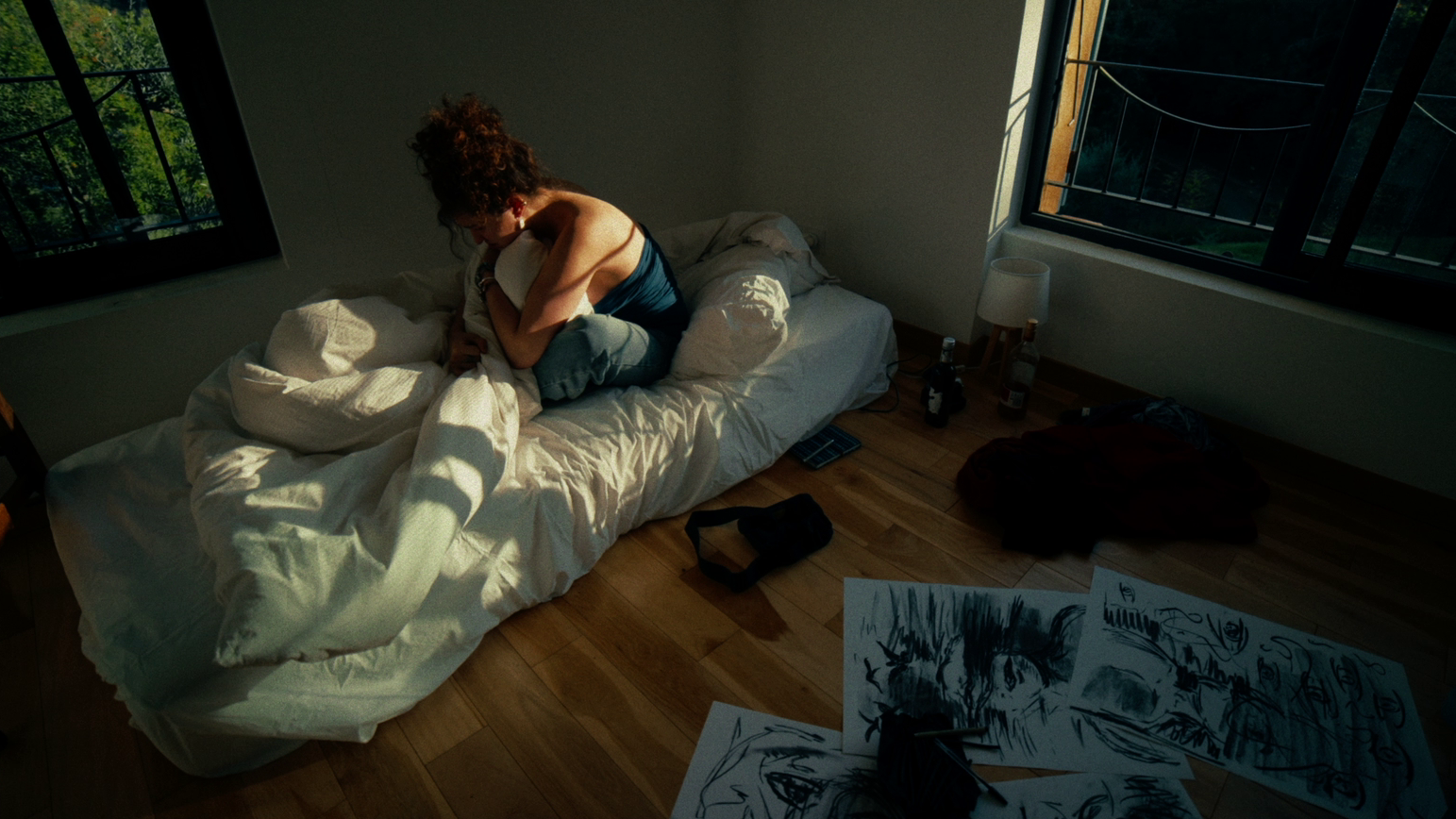
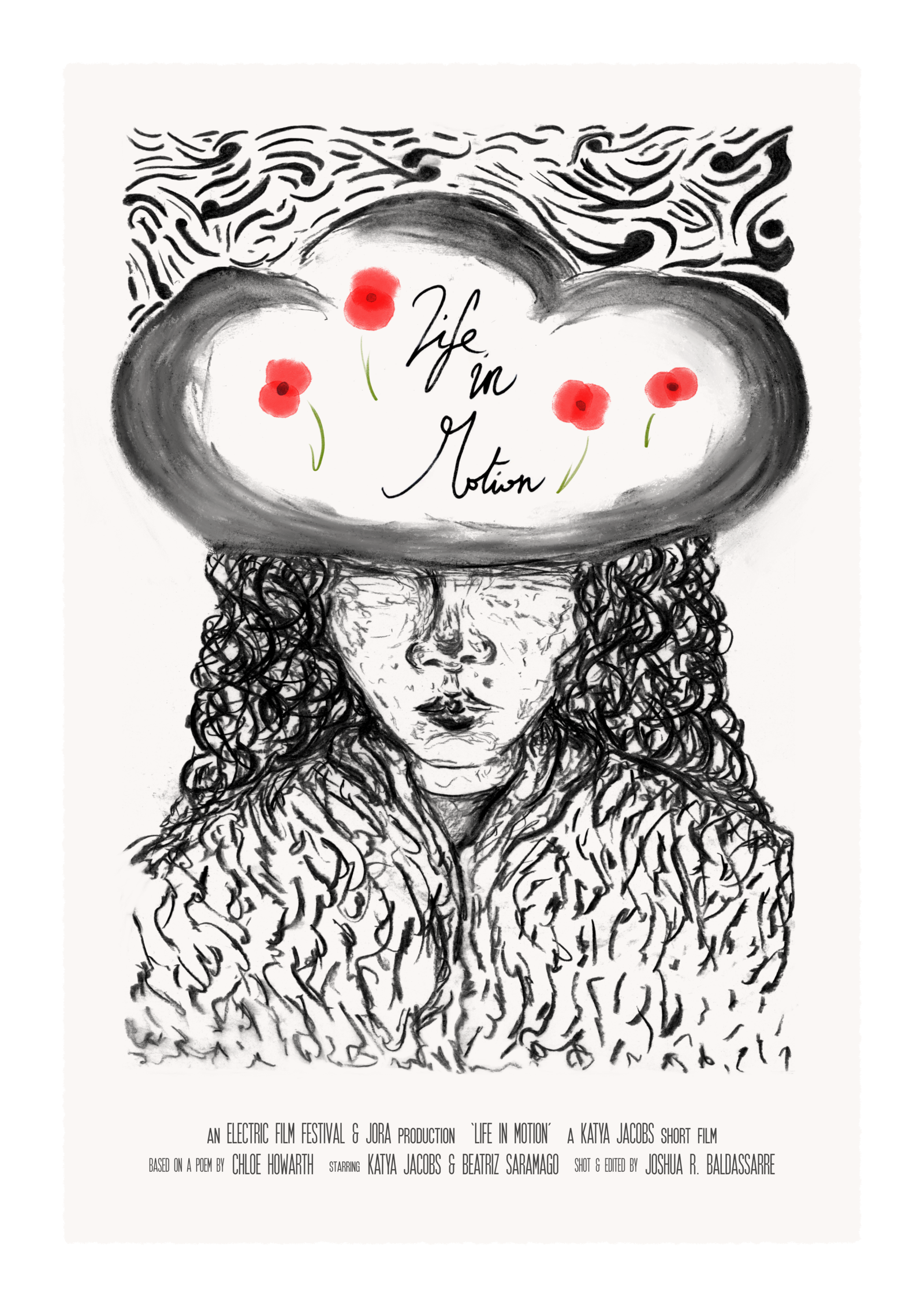
    Life in Motion is a micro-short, a tribute to art, a remembrance of lost friendship and how we might process that feeling.

    Out of Competition

    Director Biography

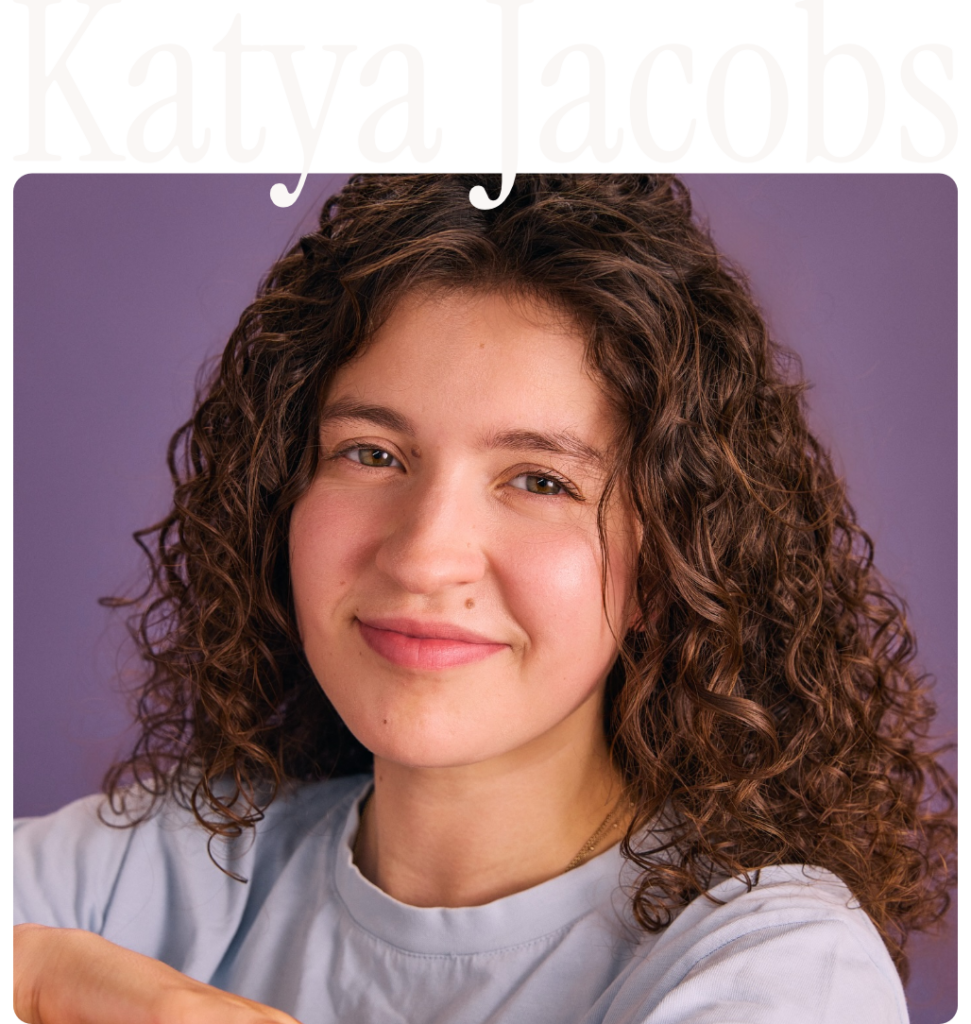
    Katya Jacobs is a trained actor who found herself in the world of film. Having been inspired by art her whole life there was a natural progression in her creative life from painting, to fine art, to acting and then to film. Katya’s mission is to help uplift artists at the start of their career, help provide them with opportunities and help people connect to each other so they can collaborate in the future.

    Directors’ Statement

    After hearing a poetry reading by Chloe Howarth I was sent into a cinematic realm that inspired me to make this micro-short. Starting with a brainstorming session I had with Damola Otegbola which I then narrowed into one story. Shot with my best friend Bea, with my boyfriend Josh doing every technical aspect possible and my dad driving us to our locations. Life in Motion plays with the feeling of grief, how a true friendship can simply vanish and what it means to lose that other part of yourself.

  • Final Act (2026)

    Final Act (2026)

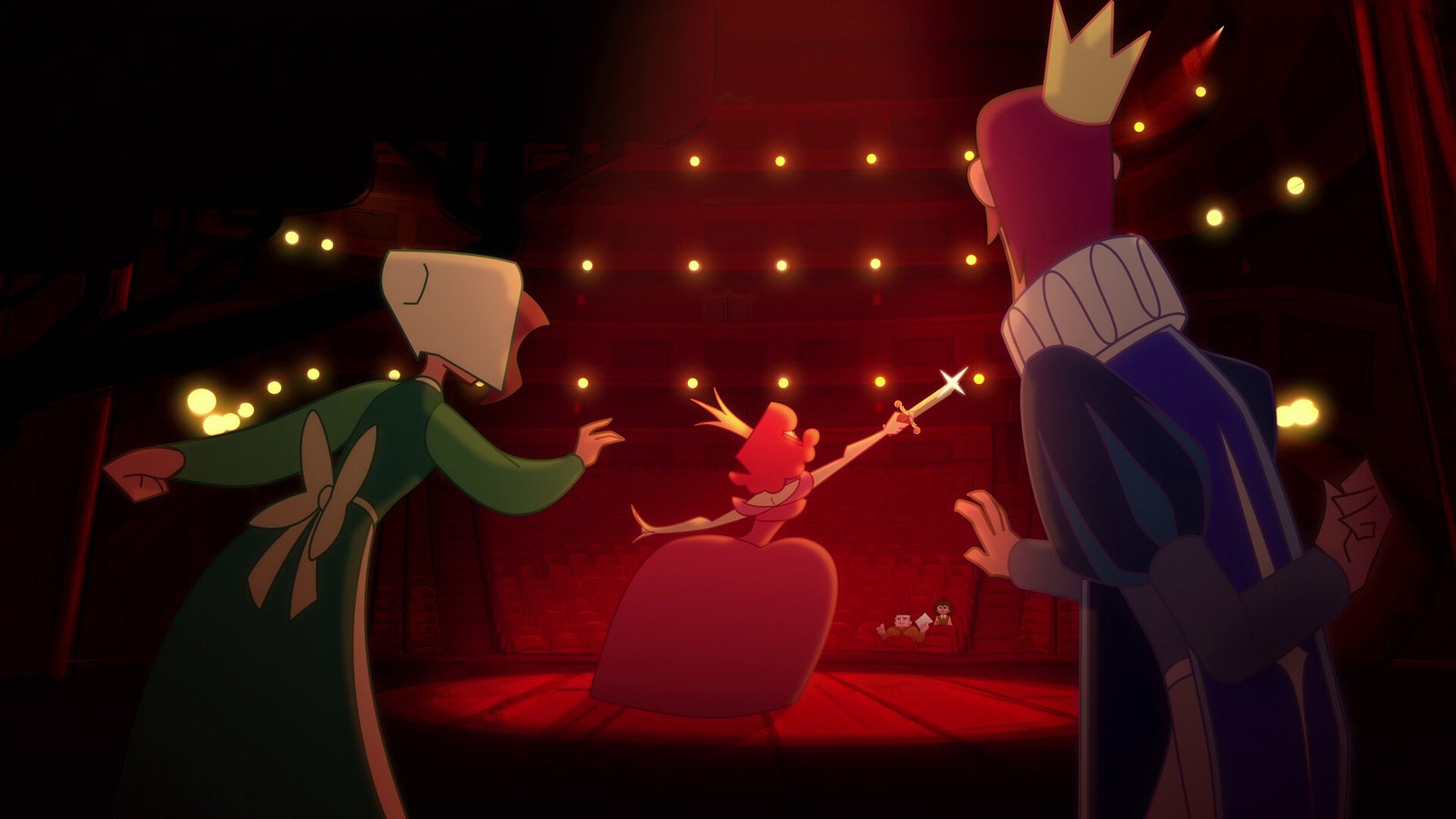
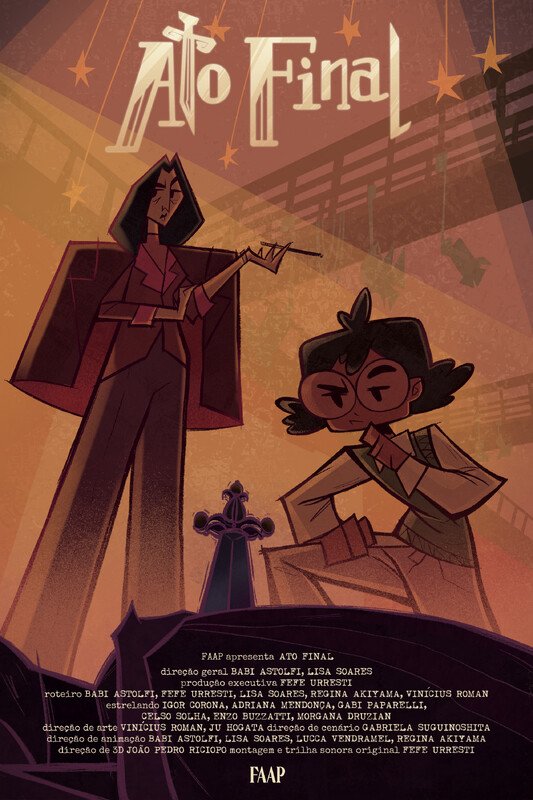
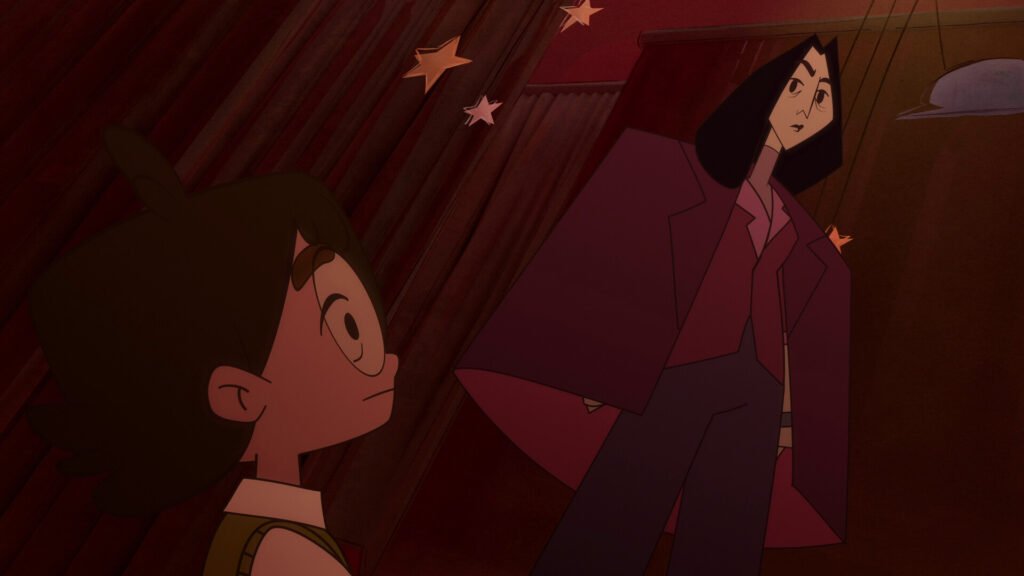
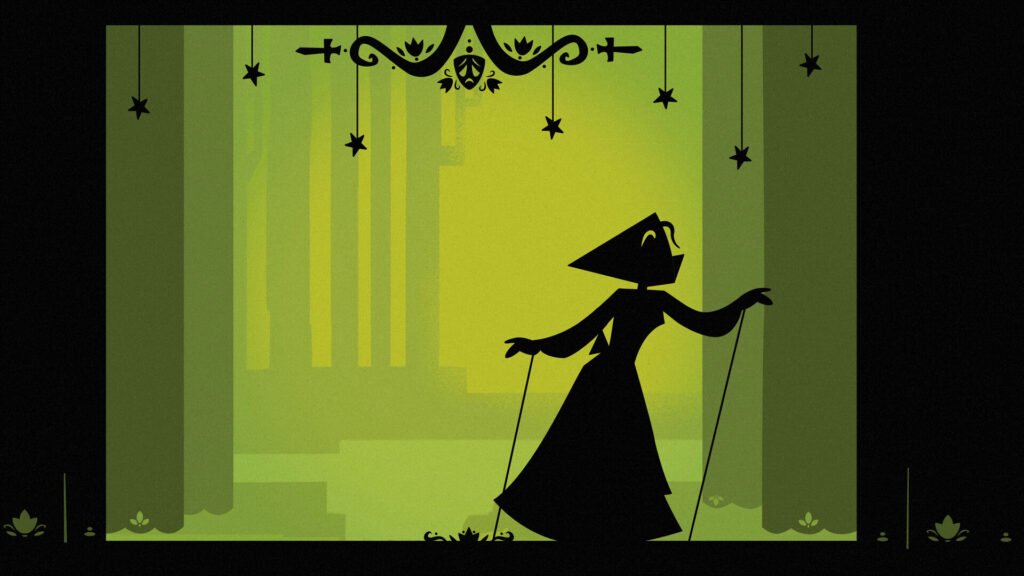
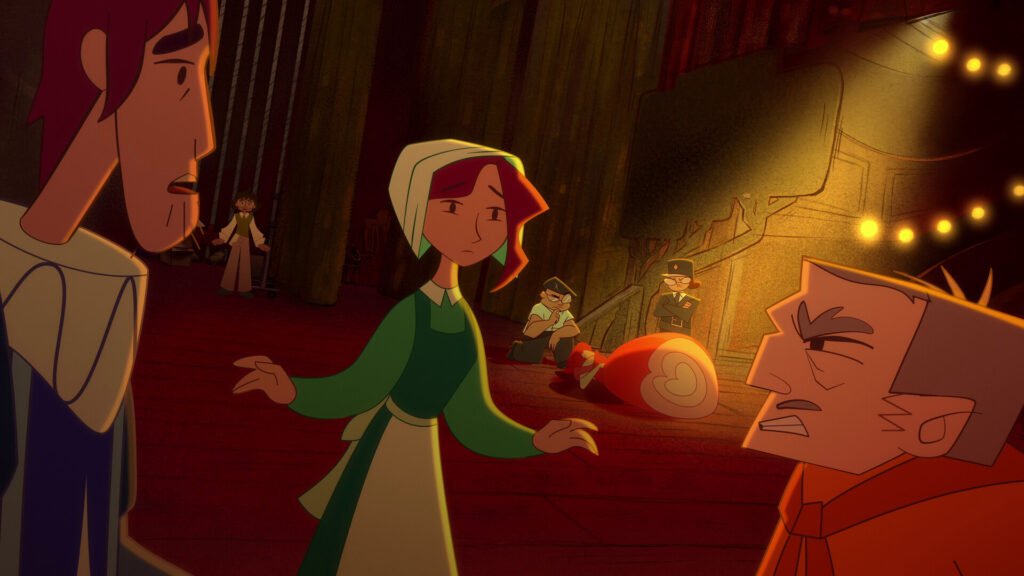
    After witnessing the death of a famous actress, Mateus Santos, a journalism intern, has the unique chance to investigate the case alongside his idol, the renowned journalist Miriam Matos. Together, they interrogate three suspects in pursuit of the truth behind the killer’s motive.

    In Competition

    Information provided via FilmFreeway

    Directors’ Biographies

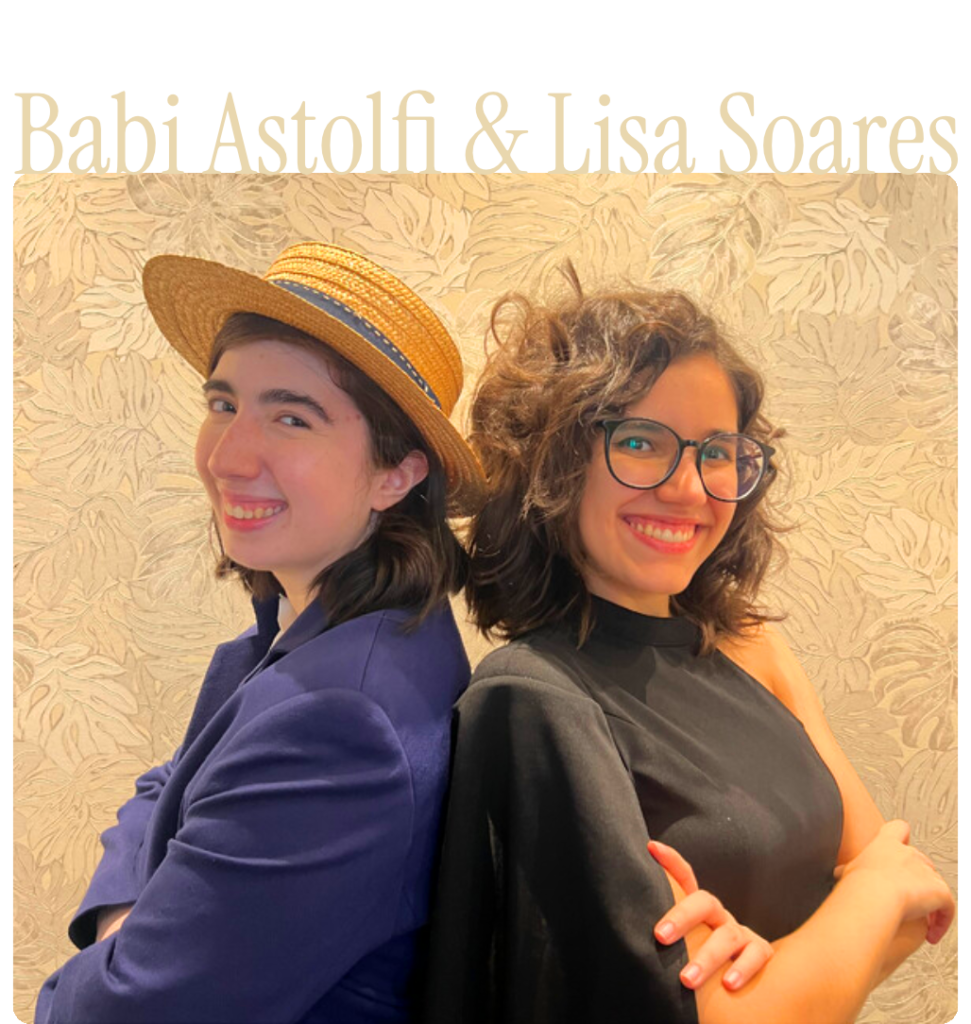
    Babi Astolfi

    Born in Santos, São Paulo, on May 16th, 2003, Babi Astolfi is an Italian-Brazillian director and animator, graduated with Bachelor’s in Film and Animation by Centro Universitário Armando Álvares Penteado (FAAP). Directed the short-films: Pitica and the Perfect Sandwich (2024) and Mecha Meraki (2024), awarded nacionally and internacionally. Final Act (2026) is her latest release.

    Lisa Soares

    Lisa Soares was born in November 30th, 2003, in the city of São Paulo. Graduated with a Bachelor’s in Film and Animation by Centro Universitário Armando Álvares Penteado (FAAP), her directorial and screenwriting debut was the awarded short film Monomania (2024). Now, she’s following it up with her Thesis Film, the animated noir “Final Act”.

    Directors’ Statement

    Final Act is our thesis film from FAAP’s bachelor’s degree in Film & Animation. The film’s conception was a collaborative effort between both directors, informed by our experiences during university and our perceptions of the industry we were graduating into.

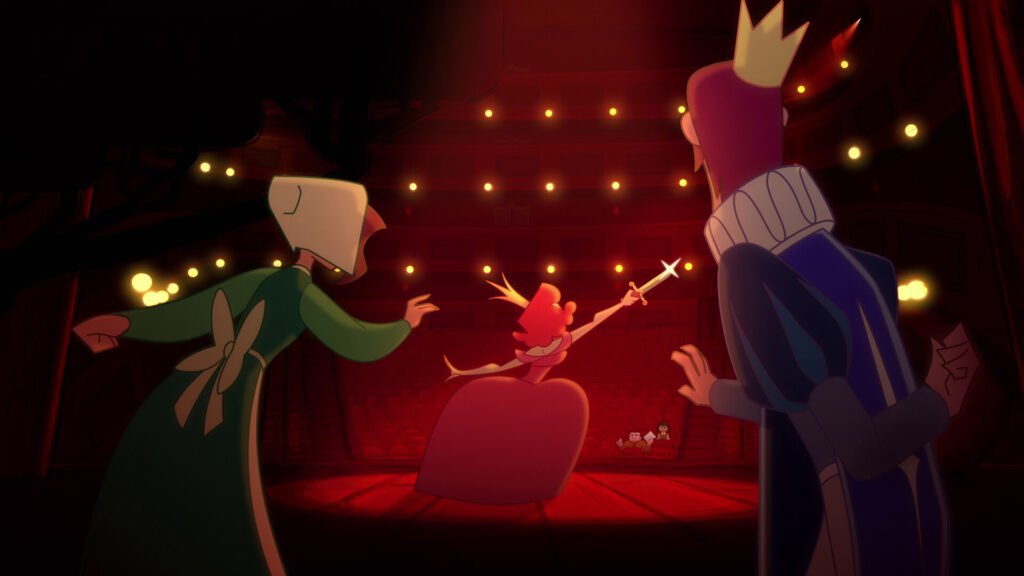
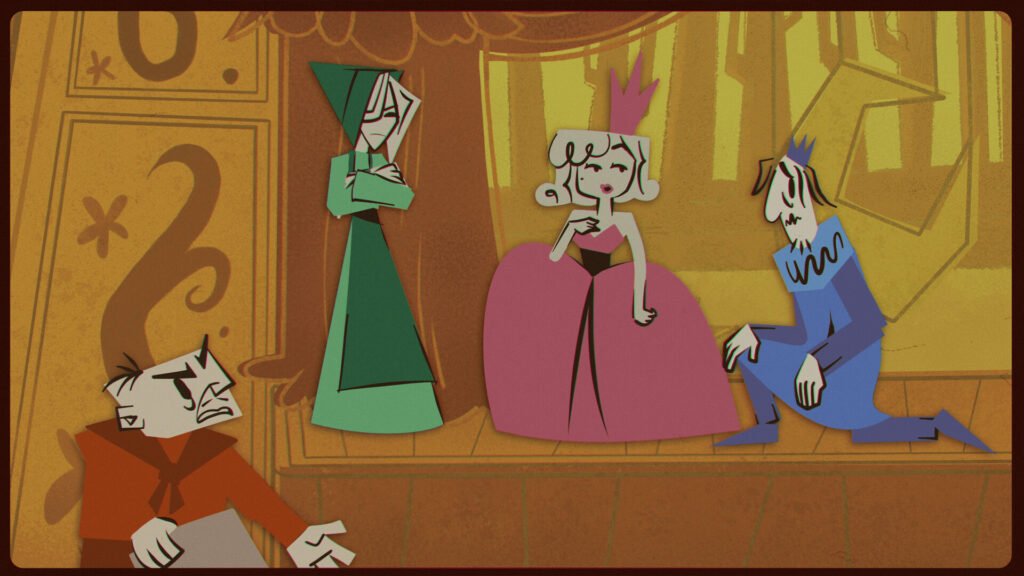
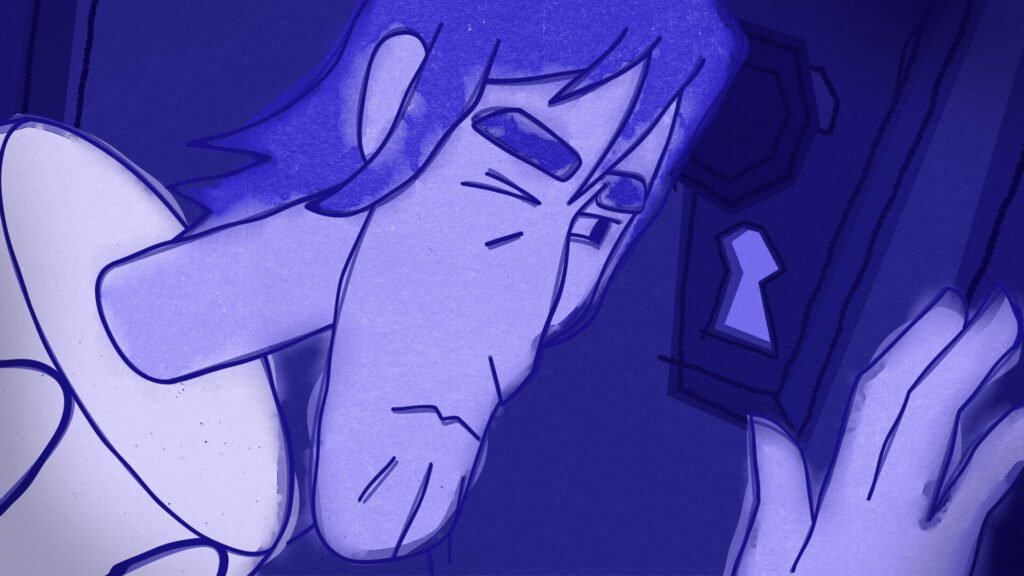
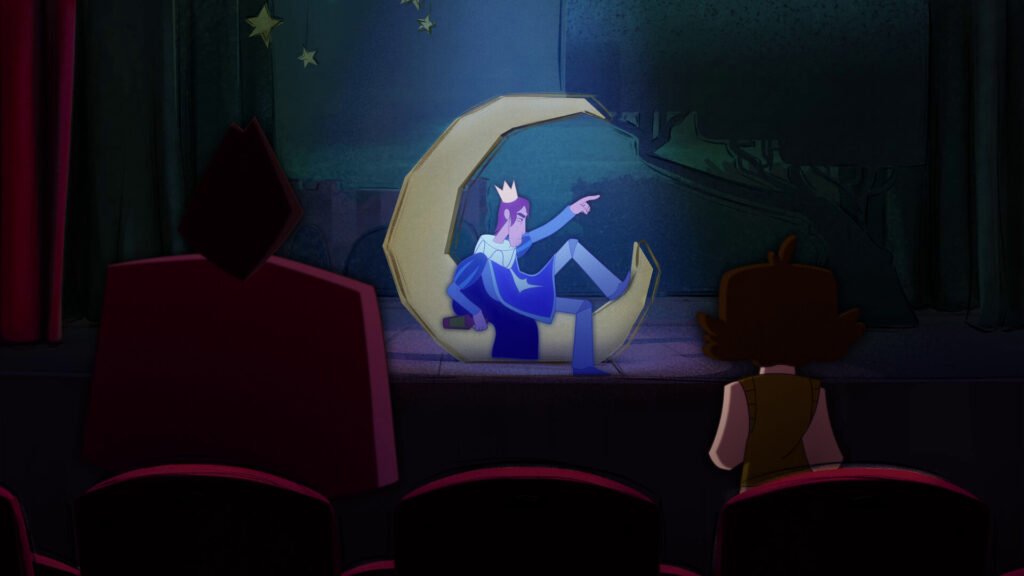
    Seeing it as our final opportunity to create art without the limitations of budgeting constraints or executive decisions, we sought to create something with more mature themes, that allowed us to explore a plurality of graphic styles and really push our animation skills to the limit. And with so, we saw in the mystery/noir genre the perfect vehicle for such exploration.

    Since our first year of university, we were enrolled in a multidisciplinary program focused on animation journalism. That offered us an exclusive insight into the workings of the press, how news articles are crafted and how everything is focused towards attracting readers’ attention in an undeniably manipulative fashion. For young and dreamy artists, it was a disappointing reality we had to contend with.

    Like many other art students, we decided to pursue animation with wide eyes and an unquenching desire to create art for the sake of the art itself. It did not take long for us to discover that a functional career could not be sustained in hopes and dreams alone. This is the integral realization behind Final Act’s main character, Mateus, and his relationship with his idol, Miriam. Such a relationship is equally informed by the concept of idolatry as it pertains to a professional that represents one’s career aspirations and has those projected onto them. A smaller sort of idolatry when compared to that of celebrities and religious figures, but one that figures strongly in our daily lives, nonetheless.

    It all came together in a detective story set in 1970’s Brazil, a particularly turbulent time in our country, in which nothing was under the people’s control. That hopelessness and uncertainty speak volumes to our generation now, both in political terms as well as in our general perception of our futures and our place in the workforce.

  • You’re Not A Fool Grandpa (2026)

    You’re Not A Fool Grandpa (2026)

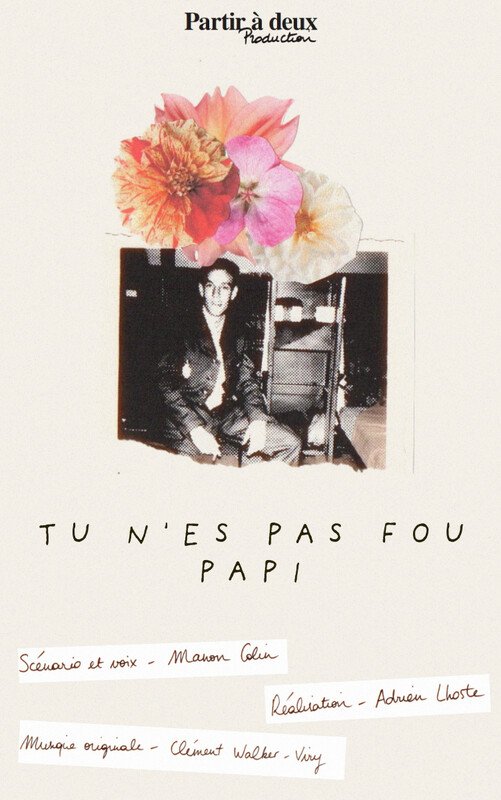
    A little girl, now a woman, writes to her grandfather, wounded by a mental disorder. She watches him as he seethes inwardly, pondering the place of childhood in suffering.

    In Competition

    Credits provided via FilmFreeway

    Director Biography

    Adrien Lhoste est un réalisateur français, sortant de La Fémis.
    Il réalise “Visages” en 2019 sélectionné au Festival du film Molodist à Kiev.
    En 2020 puis en 2023, il crée une exposition pour l’hôtel particulier Nobu de Robert de Niro et Nobu Matsuhisa à Londres.
    En 2024, il réalise “Tu n’es pas fou Papi” récompensé par le Prix du Public au Festival Arts Convergences au Musée du Quai Branly-Jacques Chirac à Paris, par le prix du meilleur court-métrage au festival Cinescale et par le prix du jury jeune au festival Regards Croisés.

    Adrien Lhoste is a French film director and a graduate of La Fémis.
    In 2019, he directed Visages, which was selected for the Molodist Film Festival in Kyiv.
    In 2020 and again in 2023, he created an exhibition for the Nobu private mansion owned by Robert De Niro and Nobu Matsuhisa in London.
    In 2024, he directed You’re Not a Fool, Grandpa, which received the Audience Award at the Arts Convergences Festival at the Musée du Quai Branly – Jacques Chirac in Paris, as well as the Best Short Film Award at the Cinescale Festival and the Young Jury Prize at the Regards Croisés Festival.

    Director’s Statement

    Quand j’ai lu le texte de Tu n’es pas fou Papi, j’ai tout de suite été très ému par la force et la poésie des mots de Manon Colin. Je me suis demandé quelle était la meilleure façon d’adapter ce récit.

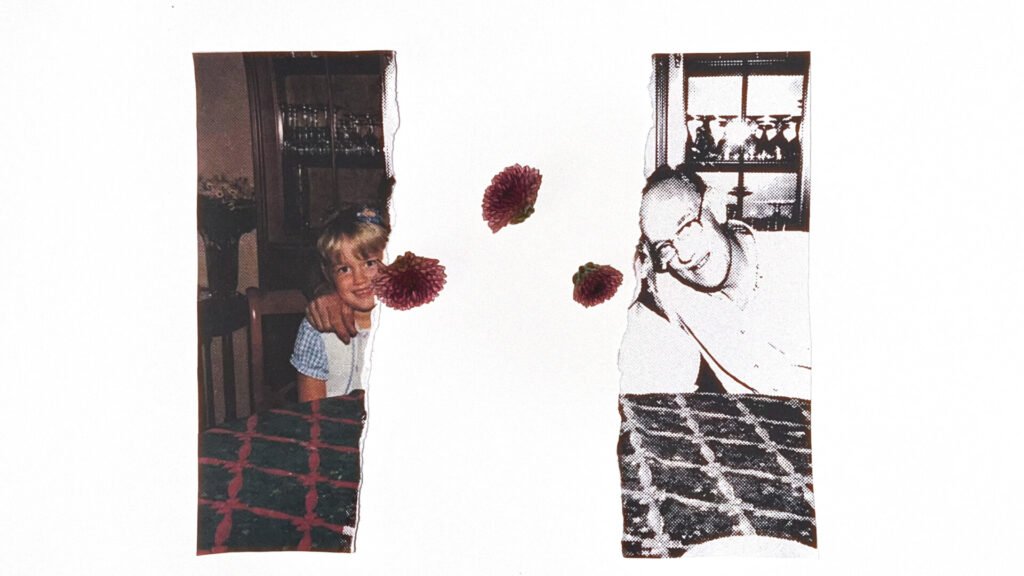
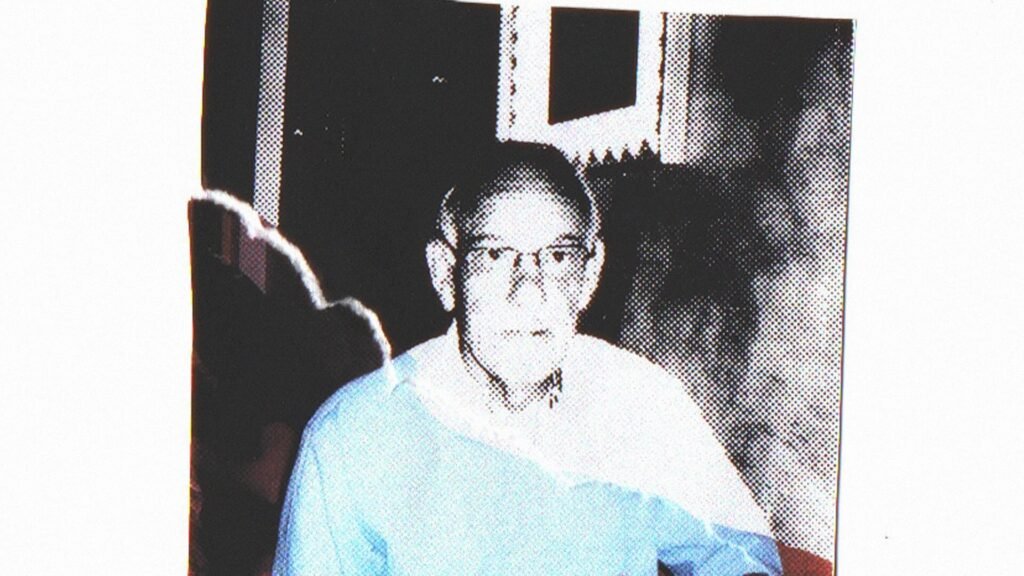
    Avant toute chose, le texte brille par une authenticité certaine quand on le lit. On sent que tout est vrai et saisissant. Pour moi, il fallait absolument que l’image laisse croire au spectateur que cette femme qui lit a aussi créé les images du film. L’idée des photos découpées, des textes écrits à la main et les intentions d’étalonnage où les noirs sont décollés comme sur du papier journal contribuent à renforcer la véracité du récit.

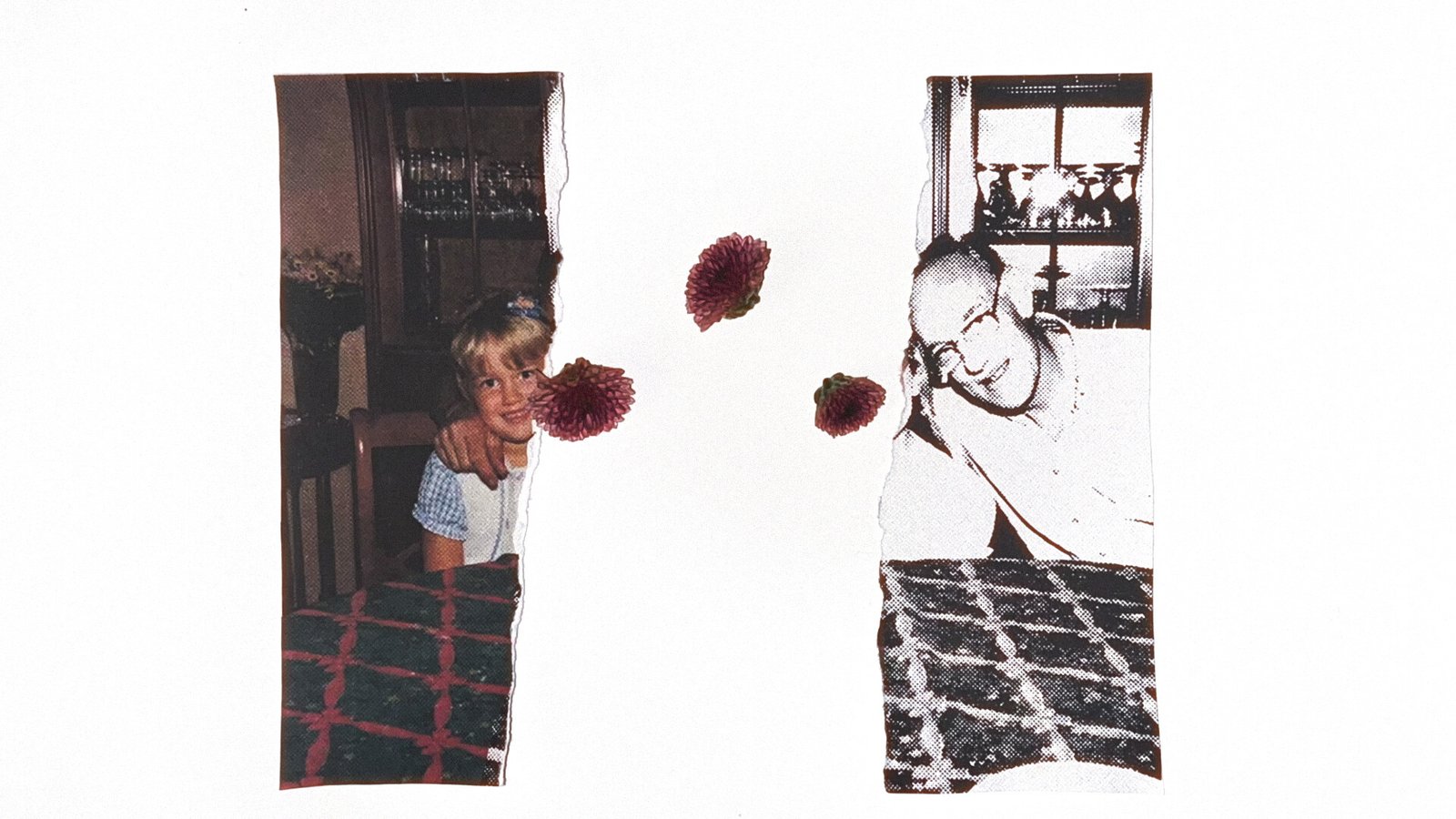
    D’autre part, j’avais été beaucoup touché par l’histoire d’une famille qui peut se déchirer mais toujours s’aimer et se reconstruire malgré les épreuves que peuvent présenter un trouble psychique. Ainsi, tout au long du film apparaissent des photos déchirées qui ont été recollées. D’un côté de la photo, il y avait le monde coloré et de l’autre le visage de “Papi” qui était en noir et blanc, a peine esquissé. Cette esthétique permettait de faire ressentir au public la difficulté de vivre avec une maladie qui nous fait parfois nous sentir en dehors du monde.

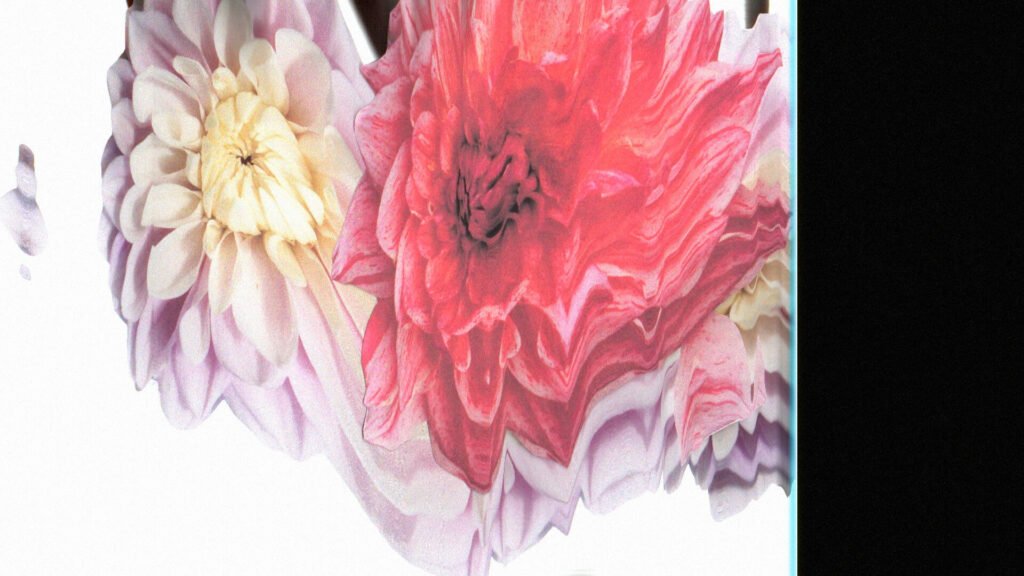
    Par la suite, je me suis posé la question de la transmission d’émotions dans un format aussi court que celui de ce film : 4 minutes. Pour moi, il fallait faire appel à ce qui était le plus inconscient pour que le film puisse opérer instantanément. Ainsi, les couleurs choisies ont été pensées pour faire ressentir instantanément une émotion en se basant sur des archétypes symboliques de représentation (par exemple, les paillettes rouges décrivent la colère ou le fond rose un apaisement). De même, la musique de Clément Walker-Viry utilise des harmonies graves et prenantes pour le début du film qui se transforment au fur et à mesure vers des sonorités plus aériennes et plus de légèreté, accompagnant les ressentis du spectateur de la tristesse à la compassion.

    Finalement, le plus important dans ce court-métrage était la forme de la déclaration d’amour, où chaque image, chaque son tend à faire vivre en harmonie l’émotion et la poésie.

    When I read You’re Not Crazy, Grandpa, I was immediately deeply moved by the strength and poetry of Manon Colin’s words. I began to wonder what the best way to adapt this narrative might be.

    Above all, the text shines with a strong sense of authenticity when read. You can feel that everything is real and deeply affecting. For me, it was essential that the imagery make the viewer believe that the woman reading is also the one who created the film’s images. The idea of cut-out photographs, handwritten text, and the color-grading choices-where the blacks are slightly lifted, like newsprint-help to reinforce the truthfulness of the story.

    I was also deeply touched by the story of a family that may fall apart, yet continues to love one another and rebuild itself despite the challenges posed by mental illness. Throughout the film, torn photographs that have been pieced back together appear repeatedly. On one side of the photo, there is a colorful world; on the other, the face of “Grandpa,” in black and white, barely sketched. This aesthetic allows the audience to feel how difficult it can be to live with an illness that sometimes makes us feel disconnected from the world.
    I then reflected on how emotions could be conveyed within such a short format: a four-minute film. To me, it was necessary to appeal to the most unconscious responses in order for the film to have an immediate impact. The chosen colors were therefore designed to evoke instant emotional reactions, drawing on symbolic archetypes (for example, red glitter to express anger, or a pink background to suggest calm). Likewise, Clément Walker-Viry’s music uses deep, immersive harmonies at the beginning of the film, which gradually evolve into lighter, more ethereal sounds, guiding the viewer’s emotions from sadness toward compassion.
    Ultimately, what mattered most in this short film was the form of the love letter itself, in which every image and every sound works together to harmonize emotion and poetry.

  • Tar (2026)

    Tar (2026)

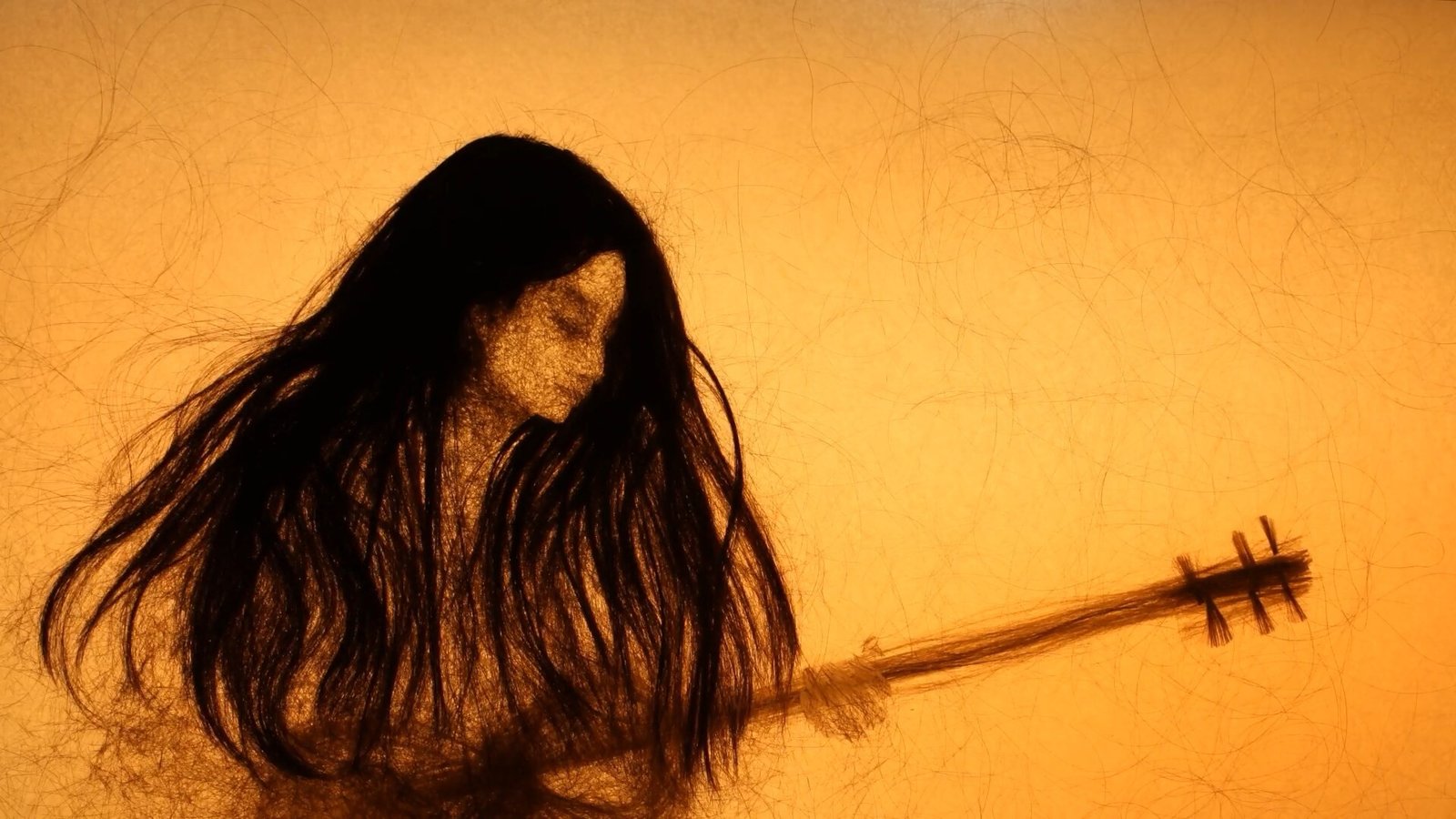
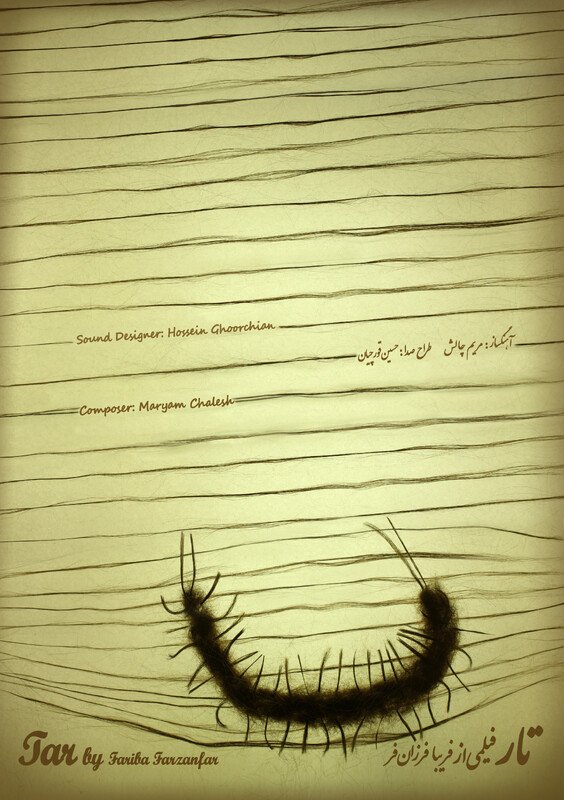
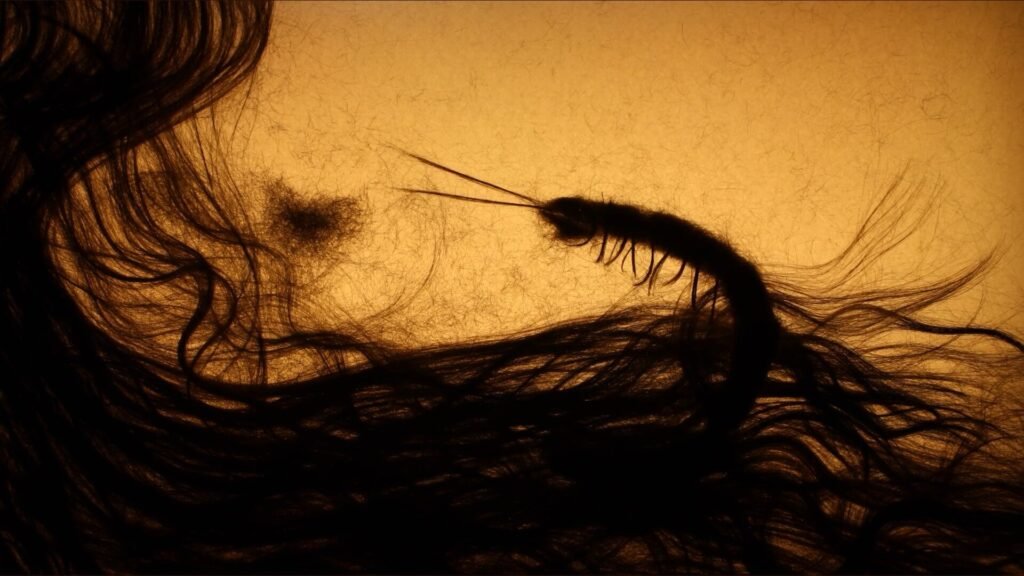
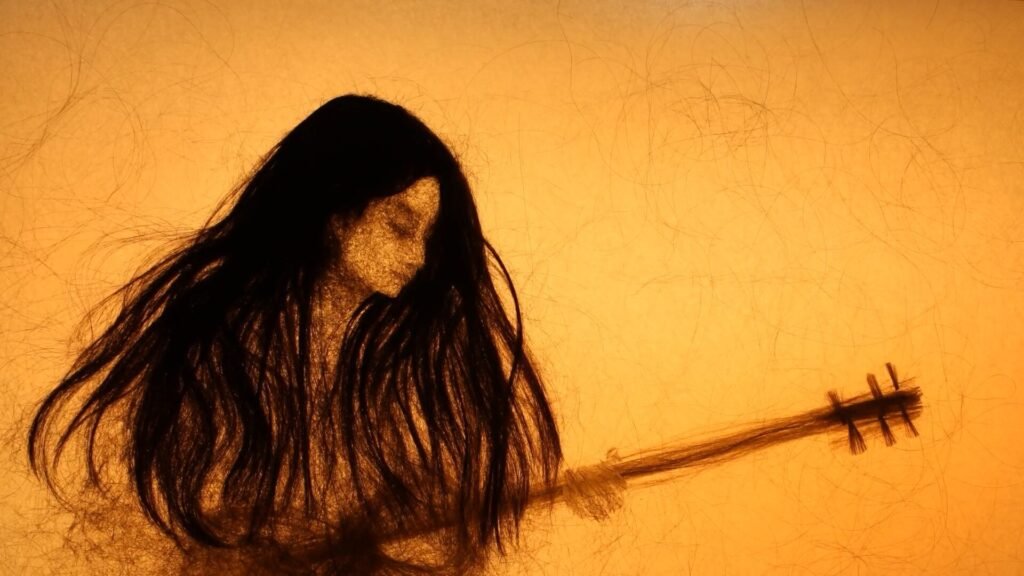
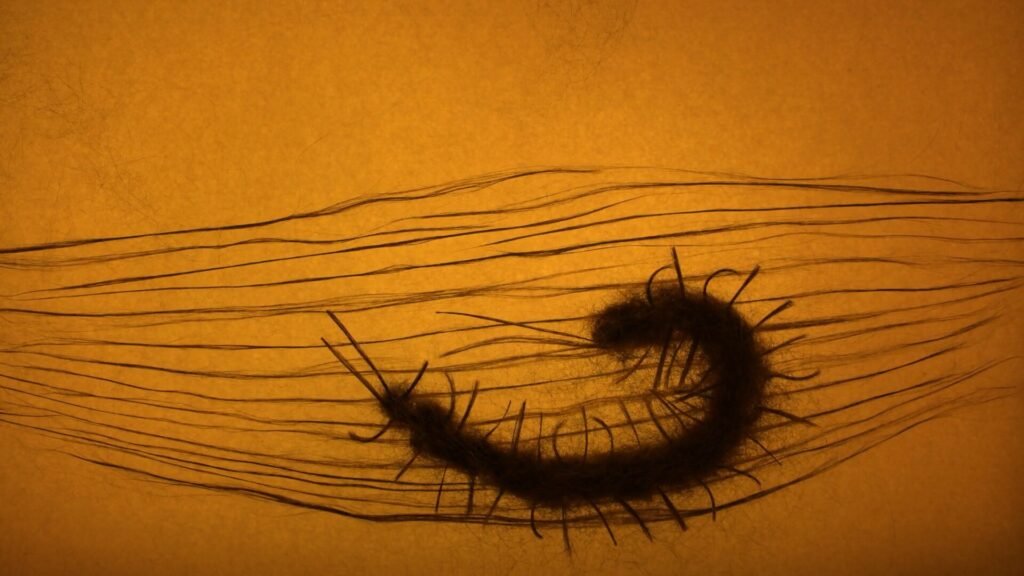
    Tar is an experimental under-the-camera animation crafted with real strands of hair. In Persian, the word tar carries a dual meaning: both a strand of hair and a traditional Iranian string instrument. Within this symbolic interplay, an enraged centipede storms a young girl’s inner world, shattering musical instruments. Amid the chaos and dissonance, the delicate sound of the tar emerges, opening a fragile space for transformation.

    In Competition

    Credits provided via FilmFreeway

    Director Biography

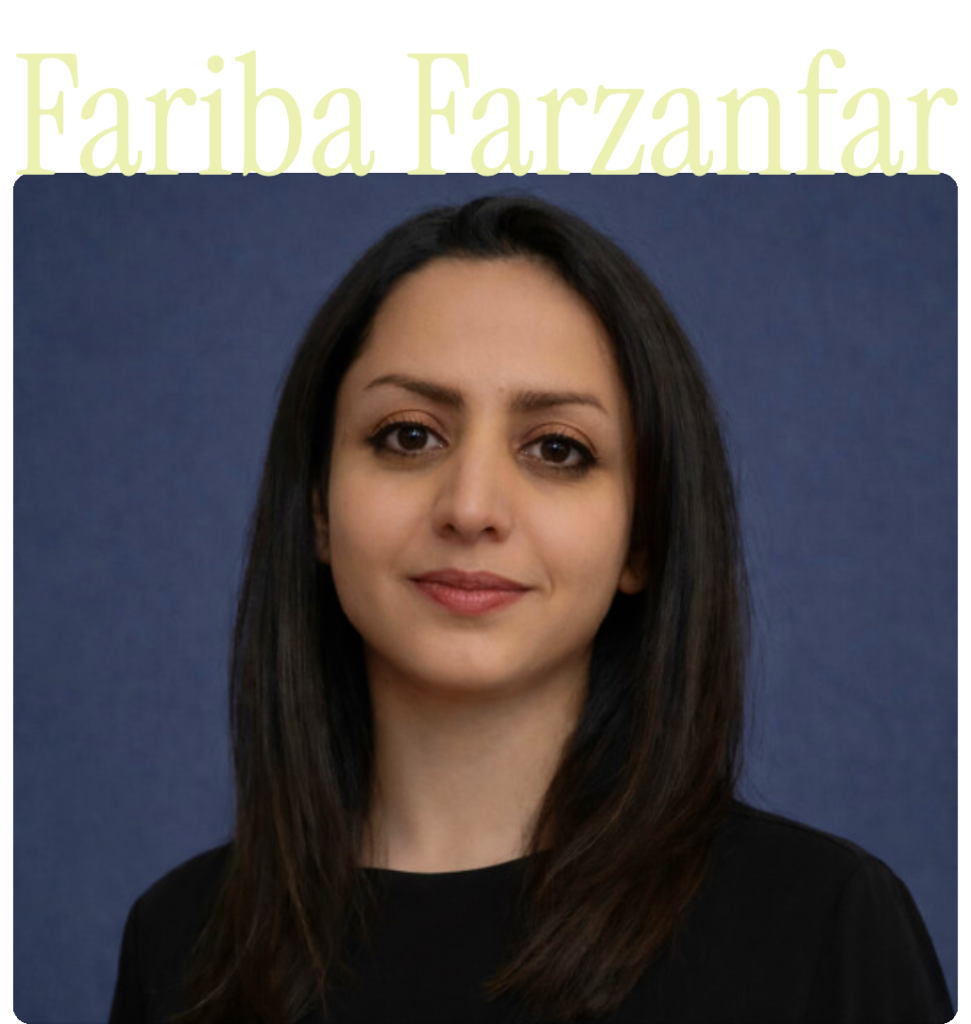
    Fariba Farzanfar (Sabzevar, Iran, 1984) is a recent Animation graduate with a background in fine arts and painting. Her films often experiment with unconventional and tactile materials. Her short film Tar, created with real strands of hair, reflects her interest in exploring delicate media to convey emotion and meaning.

    Director’s Statement

    In Persian, the word “tar” refers both to a strand of hair and to a traditional Iranian musical instrument—a duality that inspired me to create this animation. By animating real human hair under the camera, I sought to craft a visual language as delicate, intimate, and unstable as the emotions it embodies. Rather than following a linear narrative, I aimed to weave strands of image, sound, and feeling into a symbolic structure, inviting each viewer to discover their own reflections within these threads and to share in the experience of this fragile world.

  • Trading Cards (2026)

    Trading Cards (2026)

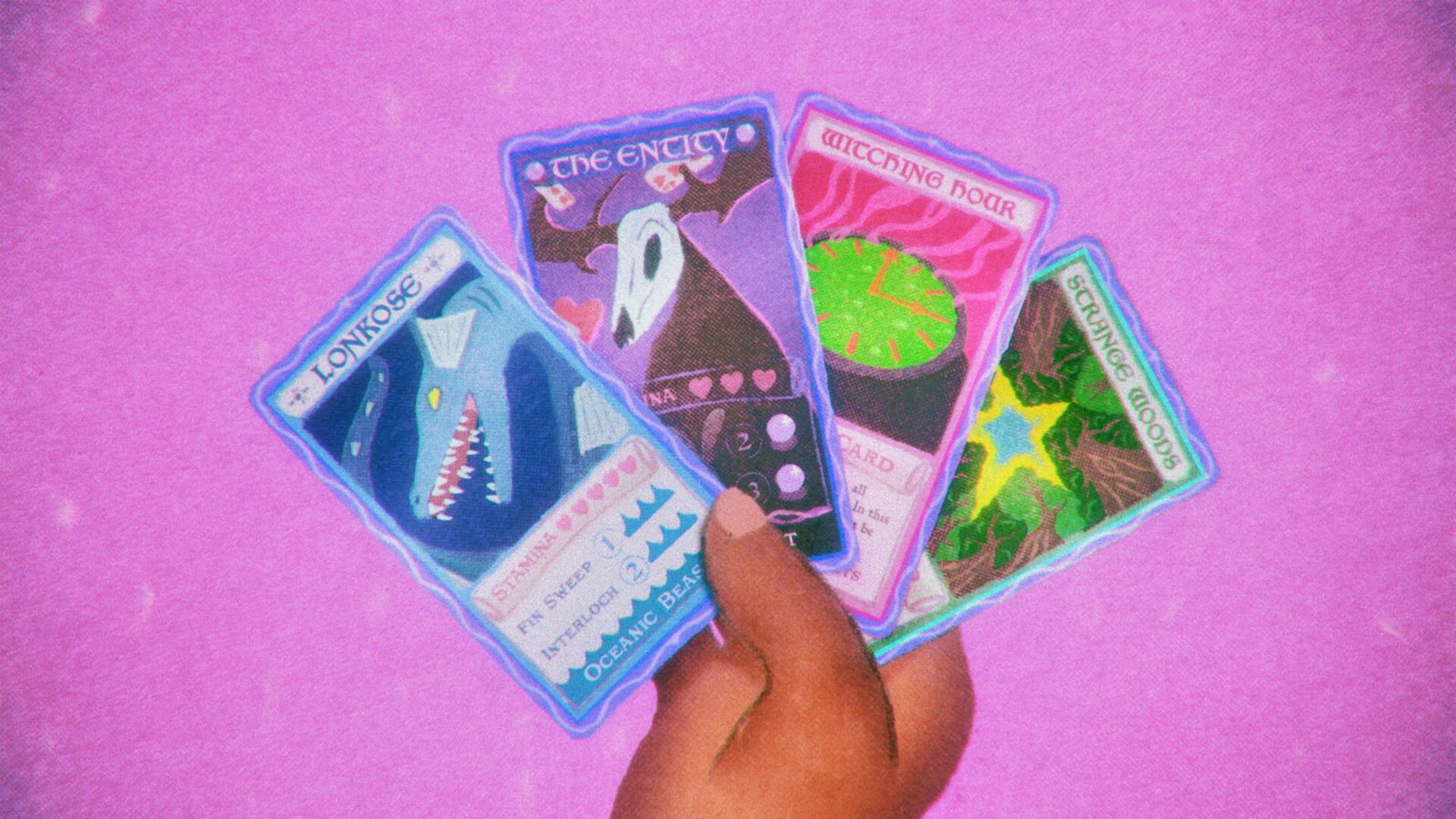
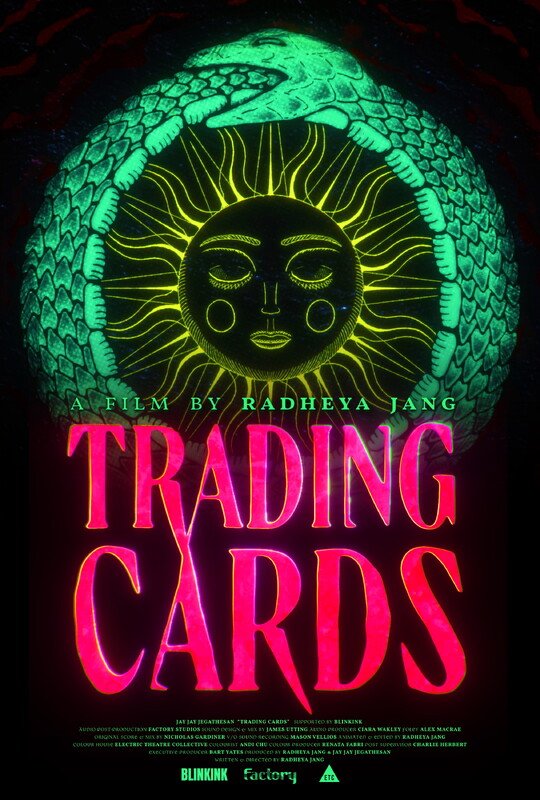
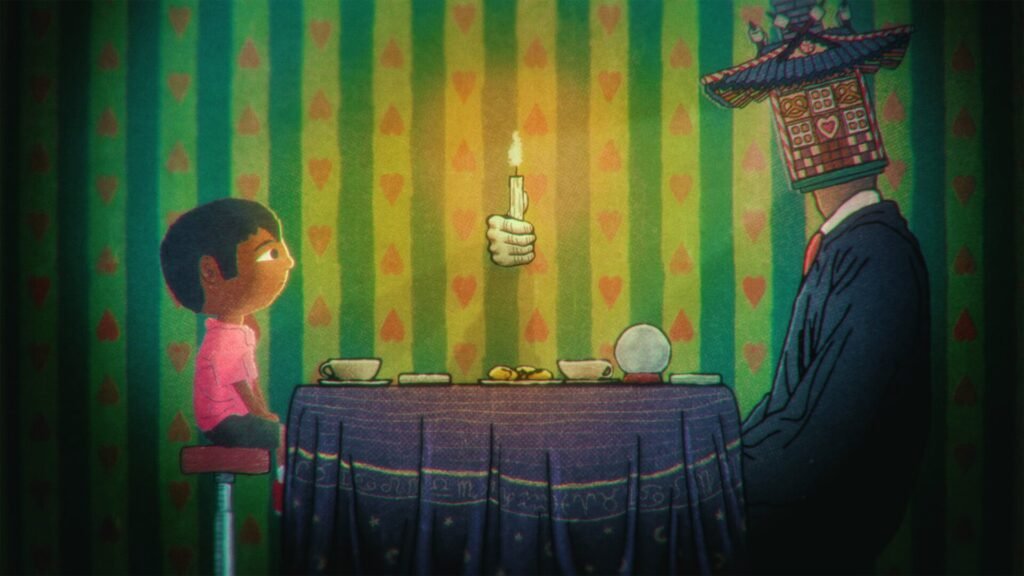
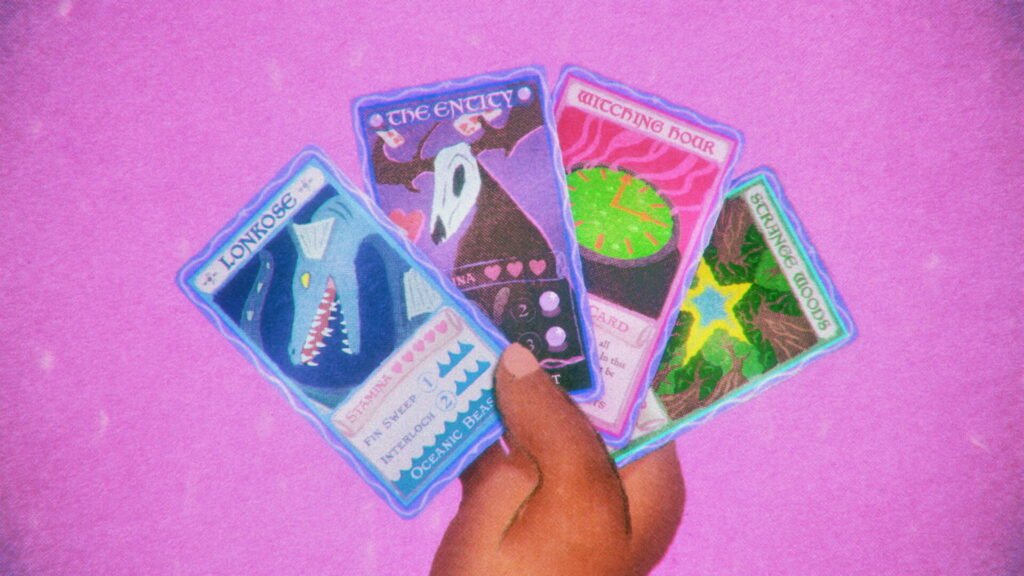
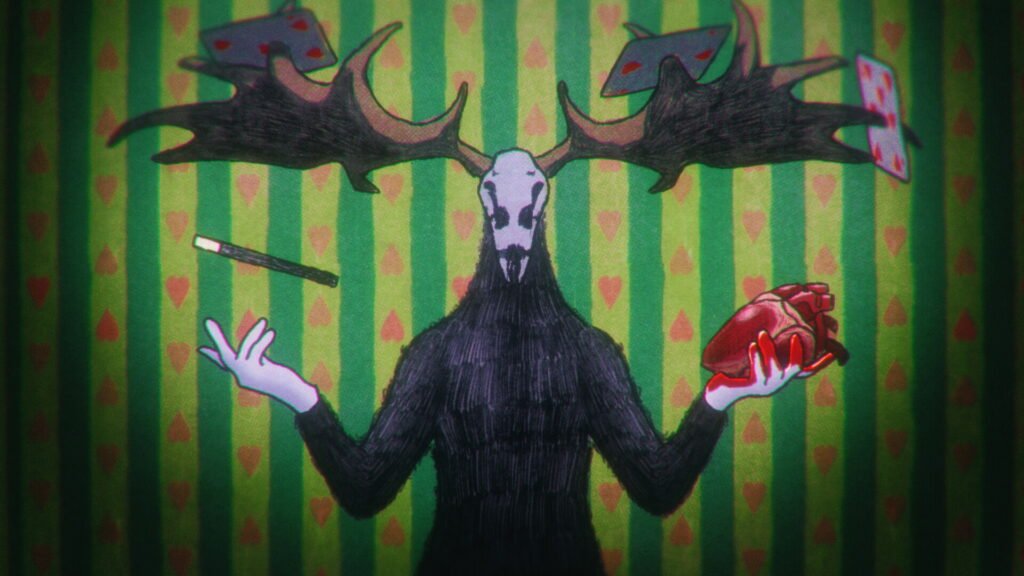
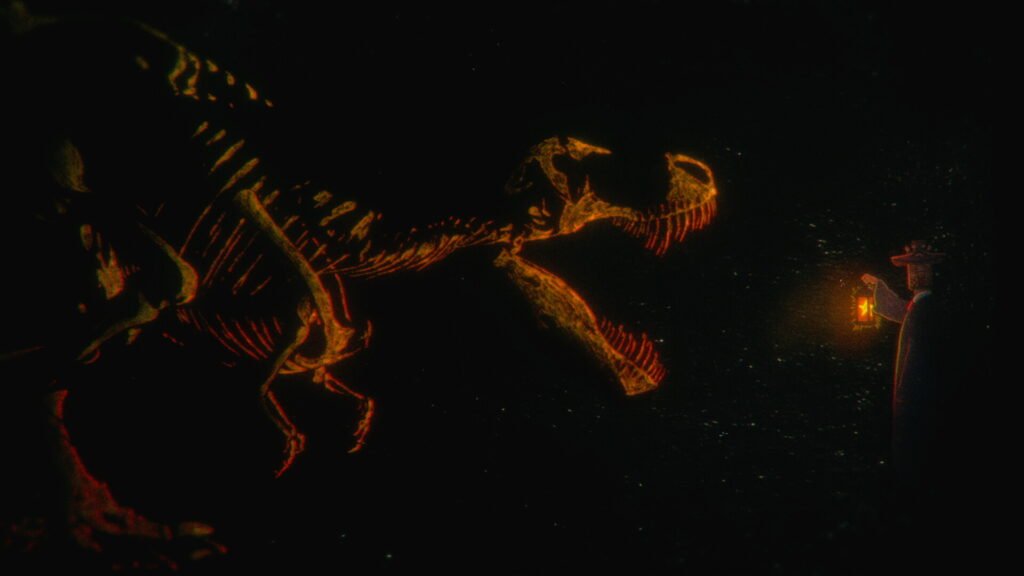
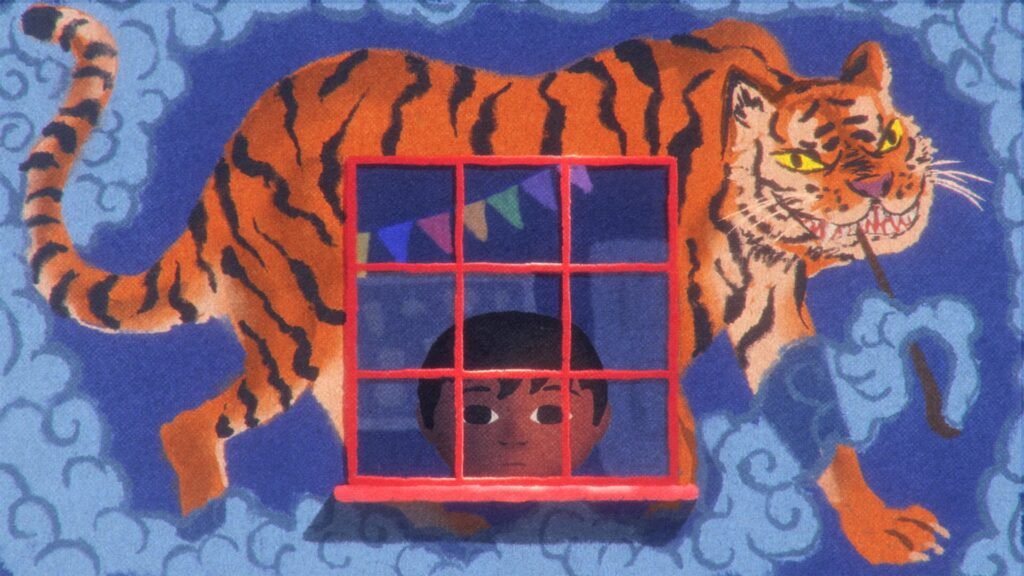
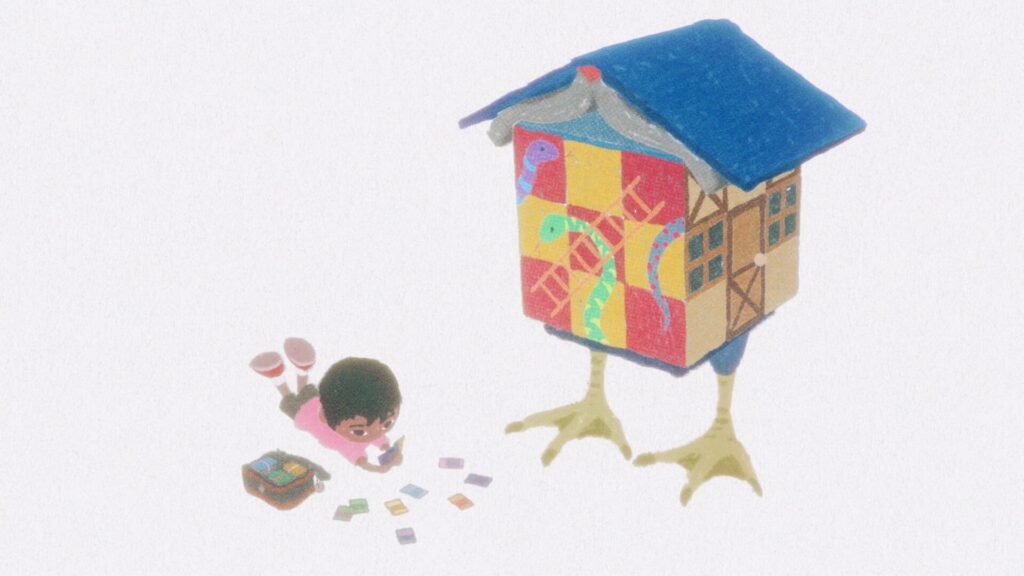
    An enigmatic man journeys back in time to find his younger self, seemingly to revisit the nostalgia of trading cards. An exploration of identity, mental health and the erosion of childhood innocence, Trading Cards is a dark fantasy animated film about the weight of living with Obsessive-compulsive disorder.

    In Competition

    Credits provided via FilmFreeway

    Director Biography

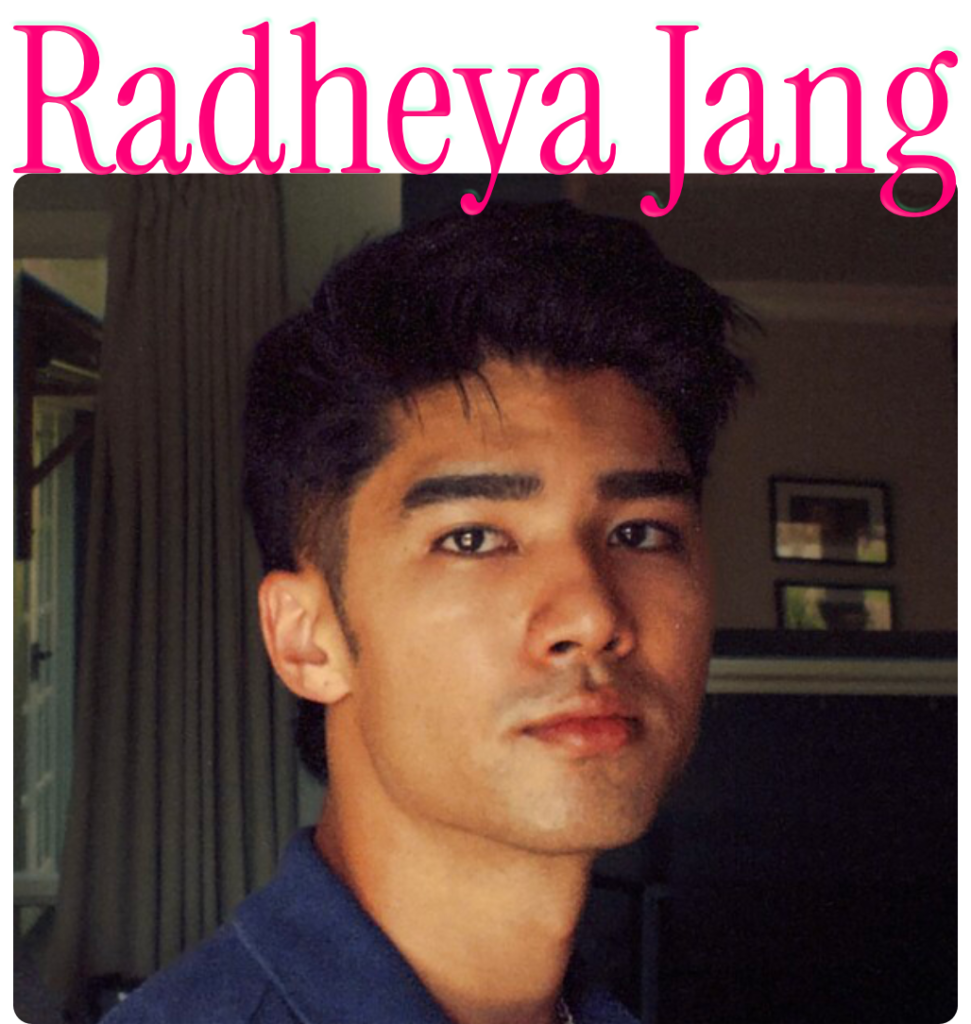
    Radheya Jang is an Oscar‑qualified Australian director based in London, working across animation, documentary, and live action. His latest film ‘Trading Cards’ was selected for SXSW London. His films have screened at Animafest Zagreb, Short Shorts Asia (Tokyo), Flickerfest, Sydney Film Festival, AFI Fest, Warsaw and SITGES, establishing a sustained international presence with 58 Academy Award–qualifying festivals selections worldwide. His work has been recognised by organisations including Sony and the World Health Organisation, and he has directed commissioned projects for global brands such as Dyson and WaterAid through BlinkInk. He continues to develop work across both artistic and commercial spheres.

    His animated short Bird Drone was shortlisted for the Sony Future Filmmaker Awards. The Quiet was Oscar-qualified and longlisted for the Academy Award for Best Animated Short Film in 2021. His live-action short Pacing the Pool won Best Short Documentary at the BFI Future Film Festival and was shortlisted by the World Health Organisation for its Special Prize for Rehabilitation.

    His work engages with film and animation in educational and social contexts, including talks and workshops, with his films adopted as teaching resources in schools and universities. He has contributed to large-scale multimedia installations and public projects, including animation and VFX work on How to Live (Lynette Wallworth installation), which premiered at the Sundance Film Festival.

    Director’s Statement

    In Trading Cards, I explore the psychological aspects of my lived experience with Obsessive Compulsive Disorder.

    The film is about the horror of uncertainty, and yearning for the mind you once had as a child – so carefree, living in the moment with no worries. Since imagination and creativity is such a huge aspect of childhood, I envisioned Trading Cards as an animated dark fantasy film that is a poetic and abstract expression of my experiences and feelings in regards to my mental health struggles.

    Part of the reason why I am making this film is to open the discussion about OCD, because I think there’s a wide misunderstanding on what it is. Many people (including myself prior to my diagnosis) are not aware that OCD is very complex with a multitude of types / subtypes which manifest in different ways. For me, a significant part of this includes mental compulsions, obsessive thoughts and rumination.

    In the film I also explore the evolution of identity as we grow older, and embracing certain aspects of ourselves that our younger selves have yet to take in, such as cultural identity and celebrating one’s multicultural heritage.

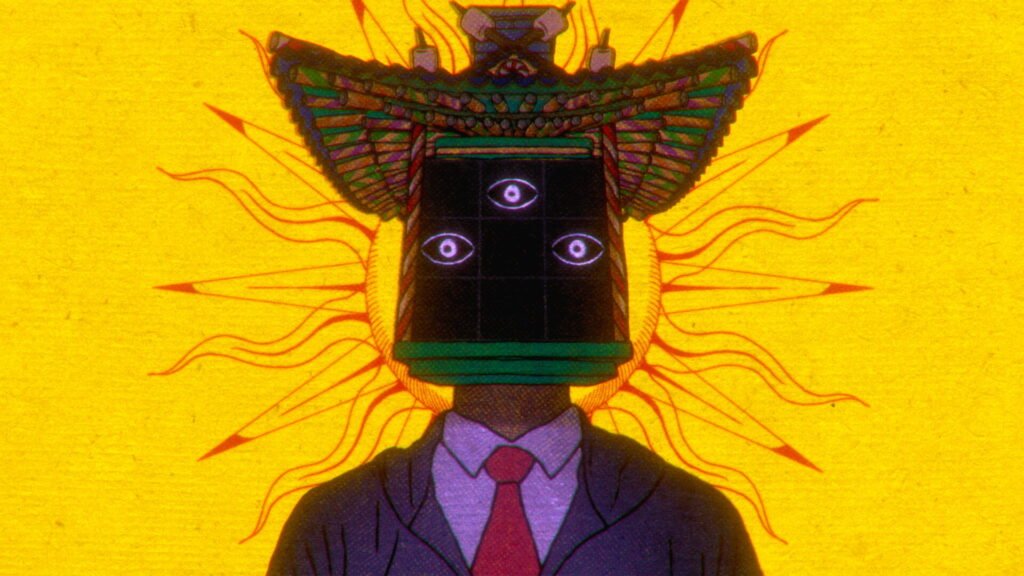
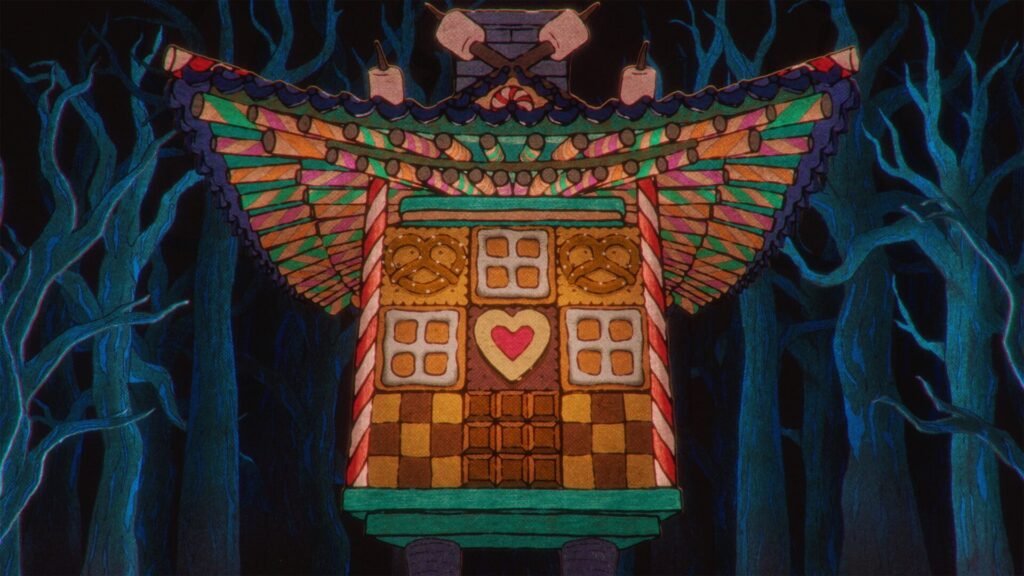
    Trading Cards is an eclectic story, with a range of real-world inspirations. I draw upon my own South Korean cultural heritage, including traditional Korean ‘Hanok’ architecture. There are also inspirations from various folk tales and fairy tales from around the world.

    Tarot cards play a significant role in the film. Throughout the film, there is imagery based on and inspired by Pamela Colman Smith’s artworks from the 1909 tarot deck conceptualised by A. E. Waite (original artwork in public domain).. Tarot cards are often used for either fortune-telling or self-reflection, both of which are relevant to the thoughts and concerns of the narrator in the film. They also serve as a counterpart to the boy’s own trading cards, which he is enamoured by, and directly based on my own obsession with collecting and playing with trading cards as a child.